


Helmet Ventilation Systems: What Every Rider Must Know

Helmet ventilation systems are engineered airflow designs that regulate heat and moisture inside your helmet, keeping you comfortable and sharp on every ride. The role of helmet ventilation systems goes far beyond punching holes in foam. A proper system integrates front intake vents, internal airflow channels, and rear exhaust ports into one coordinated design. Get it right, and your head stays cool, your visor stays clear, and your brain stays focused on the road. Get it wrong, and you’re basically wearing a portable sauna at 70 mph. Not ideal.
How do helmet ventilation systems work?
Helmet ventilation is a system, not simply a count of holes. It relies on intake placement, internal channels, and exhaust efficiency to pull heat away from your scalp and push it out the back. Think of it like your home’s HVAC: the number of vents on the wall means nothing if the ductwork is blocked.
Here’s how the three core components work together:
- Front intake vents sit at the forehead or chin bar. They capture oncoming air as you ride and funnel it into the helmet’s interior.
- Internal airflow channels are grooves or tunnels molded into the EPS foam liner. They direct air across your scalp, picking up heat and moisture as they go.
- Rear exhaust vents sit at the back of the shell. Warm air exits here, pulled out by the low-pressure zone created behind the helmet at speed.
The quality of those internal channels is what separates a genuinely cool helmet from one that just looks ventilated. Channel continuity connecting intake and exhaust is the real performance driver. A helmet with four well-placed vents and continuous channels beats one with twelve shallow holes every single time.
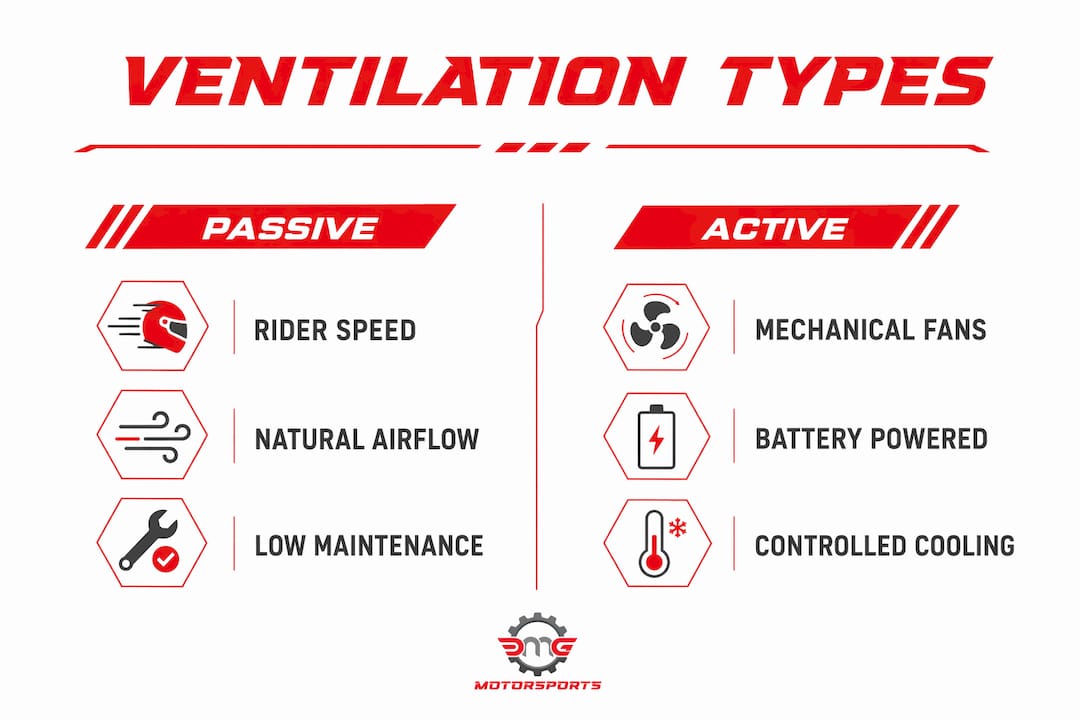
Ventilation systems also split into two categories: passive and active. Passive ventilation relies on rider speed to generate airflow, which means it works great at highway speeds and struggles in stop-and-go traffic. Active systems add adjustable vent sliders or covers that let you control airflow regardless of speed. That flexibility matters a lot when you ride in varied weather or mixed environments.
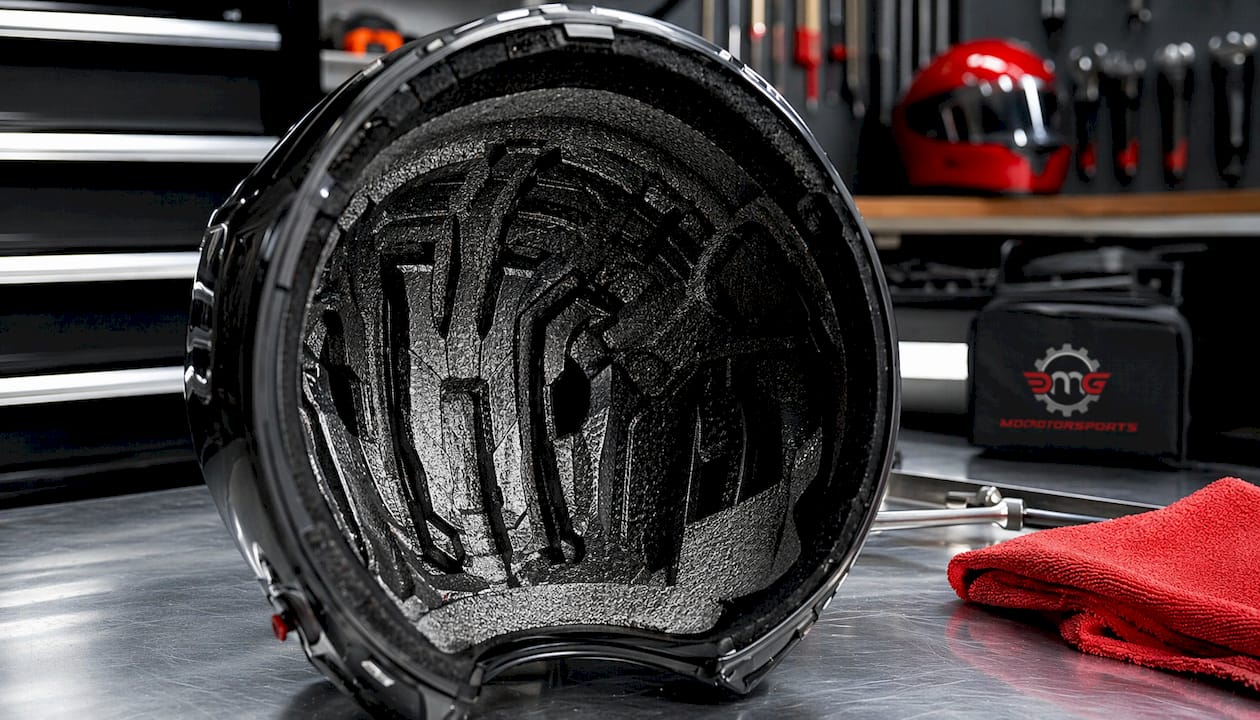
Pro Tip: Before buying, run your finger along the inside of a helmet’s foam liner. If you can feel distinct channels running front to back, the ventilation design is doing real work. If it’s flat foam, those exterior vents are mostly decorative.
What are the safety and comfort benefits of good airflow?
Ventilation is a safety feature, full stop. Heat-related fatigue reduces reaction speeds and raises the risk of rider error in traffic or on technical terrain. Your brain needs a stable temperature to process information fast. When your helmet traps heat, your cognitive function drops before you even notice you’re suffering.
“Ventilation maintains a stable thermal gradient critical for scalp blood flow and rider focus. A rider who is thermally comfortable is a rider who is mentally present.”
The comfort benefits stack up just as fast:
- Visor clarity: Effective ventilation prevents visor fogging by reducing moisture buildup inside the helmet. Clear vision is not a luxury. It’s a survival tool.
- Sweat management: Airflow carries moisture away from your scalp and liner, reducing skin irritation and the general misery of a soaked head on a long ride.
- Sustained focus: A cooler head literally means a sharper mind. Riders who stay thermally comfortable make better decisions at intersections, in merges, and on fast corners.
The good news for riders who worry about ventilation weakening their helmet: modern helmets achieve breathability without sacrificing certified impact protection by using reinforced EPS foam and technologies like MIPS. Standards like DOT, ECE, and Snell remain fully achievable in well-ventilated designs. You can learn more about how those safety ratings compare before you shop. Ventilation and protection are not a trade-off. They’re a design challenge that modern engineering has largely solved.
Does more vents mean better cooling?
No. This is the most common misconception in helmet shopping, and it costs riders money and comfort every year. A helmet with fewer well-placed vents and continuous channels outperforms one with more shallow vents that dead-end in the foam. Vent count is a marketing number. Channel continuity is the engineering reality.
Here are the four factors that actually determine how well your helmet breathes:
- Channel continuity. Airflow needs an unobstructed path from intake to exhaust. Any break in that path kills cooling efficiency.
- Helmet fit. Poor fit misaligns vents, reduces airflow, and increases noise. A helmet that sits too low on your forehead blocks the front intakes entirely. Getting your helmet fit right is the single biggest free upgrade you can make to your ventilation performance.
- Rider position. Head angle and airflow obstructions like windscreens change how air enters the helmet. A sport rider tucked behind a fairing gets far less passive airflow than an upright cruiser rider at the same speed.
- Hair type and density. Thick hair acts as insulation, reducing the cooling effect even in a well-channeled helmet. Riders with dense or long hair should prioritize helmets with deeper, wider channels to compensate.
Pro Tip: If you ride with a windscreen, test your helmet’s ventilation at your actual riding position before committing. What works perfectly on an upright naked bike may barely breathe on a sport tourer with a tall screen.
How do you choose the right helmet ventilation for your riding style?
The best ventilation system for you depends on where and how you ride. Ventilation priority shifts with average riding speed and environment, so a one-size-fits-all approach leaves someone sweating.
| Riding style | Key ventilation need | What to prioritize |
|---|---|---|
| Urban commuter | Internal channel quality | Deep channels, active vent sliders |
| Highway cruiser | Aerodynamic vent placement | Balanced intake and exhaust at speed |
| Hot weather rider | Maximum airflow volume | Large intakes, wide channels, open exhaust |
| Cold weather rider | Adjustable airflow control | Closeable vents, minimal exhaust gaps |
| Sport or track rider | Aerodynamic efficiency | Streamlined vents that don’t create drag |
Urban riders face the toughest ventilation challenge. At city speeds below 15–20 mph, passive airflow drops sharply. That means internal channel design carries most of the cooling load at low speeds, not the size of the front vents. If you spend most of your time in traffic, look for helmets with active vent controls and deep channel architecture rather than simply the largest intake openings.
Highway and sport riders get more natural airflow, so aerodynamic vent placement matters more. Vents that create turbulence or lift at speed become a noise and fatigue problem. The goal is balanced airflow that cools without fighting the wind. Riders shopping across experience levels can check out top-rated helmet options that match specific riding styles and ventilation needs. And if you’re thinking about how ventilation connects to overall gear comfort, motorcycle gear breathability is worth understanding as a complete system.
Key Takeaways
Helmet ventilation is a safety system built on channel continuity, proper fit, and rider-specific design. It is not determined by vent count alone.
| Point | Details |
|---|---|
| Ventilation is a system | Intake vents, internal channels, and exhaust ports must work together to cool effectively. |
| Channel continuity beats vent count | Fewer well-connected vents outperform more shallow ones with no continuous airflow path. |
| Fit determines performance | Misaligned vents from poor fit reduce airflow, increase noise, and undermine any ventilation design. |
| Rider style dictates priorities | Urban riders need strong internal channels; highway riders need aerodynamic vent placement. |
| Safety and airflow coexist | Modern EPS and MIPS technologies maintain certified protection standards in well-ventilated helmets. |
Bryan’s take: stop counting vents and start reading channels
Here’s what years of riding and gear obsession have taught me: most riders buy ventilation with their eyes. They see a helmet with eight vents across the top and assume it’ll be cooler than one with four. That’s almost never true, and I’ve sweated through enough summer rides in “well-ventilated” helmets to prove it.
The real test is what happens inside the shell. I’ve ridden in helmets with modest vent counts that felt like air conditioning because the channels were deep, continuous, and well-positioned. I’ve also worn helmets that looked like a cheese grater and still cooked my head in traffic because the foam had no real channel architecture connecting those vents to anything useful.
My honest advice: before you buy, look at the liner. Ask about the channel design. If the retailer can’t explain how air moves from front to back inside that specific helmet, that’s a red flag. Fit comes first, always. A perfectly ventilated helmet that sits wrong on your head will underperform a moderately ventilated helmet that fits like it was made for you. And if you ride in a hot climate or do long summer days, active vent sliders are worth every extra dollar. The ability to open or close airflow on the fly changes the riding experience more than any other single feature.
No single helmet fits every rider or every environment. The riders who figure that out early spend less money chasing the wrong specs and more time actually enjoying the road.
— Bryan
Gear up with Dmgmotorsports

Dmgmotorsports carries helmets built with the kind of ventilation engineering that actually works: integrated intake and exhaust systems, deep internal channel designs, and active vent controls across a full range of riding styles. Whether you’re a daily urban commuter fighting stop-and-go heat or a weekend highway rider who wants clean aerodynamic airflow at speed, there’s a helmet in the Dmgmotorsports catalog designed for your conditions. Every helmet meets certified protection standards, so you’re never trading safety for comfort. Find your match and ride cooler, sharper, and more confidently on every road.
FAQ
What is the role of helmet ventilation systems?
Helmet ventilation systems regulate heat and moisture inside the helmet by moving air from front intake vents through internal channels to rear exhaust ports. This process reduces rider fatigue, prevents visor fogging, and maintains cognitive sharpness during rides.
Do more vents always mean a cooler helmet?
No. Channel continuity between intake and exhaust vents determines cooling performance, not vent count. A helmet with fewer well-placed vents and continuous internal channels outperforms one with more shallow, disconnected vents.
How does helmet fit affect ventilation?
Poor fit misaligns vents, blocks intake openings, and reduces overall airflow effectiveness. Even the best ventilation system underperforms when the helmet sits incorrectly on your head.
What is the difference between passive and active helmet ventilation?
Passive ventilation relies on riding speed to generate airflow and works best at highway speeds. Active ventilation uses adjustable vent sliders that let you control airflow regardless of speed, making it better for varied riding conditions.
Does hair type affect how well a helmet ventilates?
Yes. Dense or long hair acts as insulation and reduces the cooling effect of internal airflow channels. Riders with thick hair benefit from helmets with deeper, wider channels to compensate for reduced scalp airflow.
Recommended
- Motorcycle Gear Breathability: What Every Rider Must Know - DMG Motorsports
- Motorcycle Helmet Retention System Explained for Riders - DMG Motorsports
- Motorcycle Helmet Safety Ratings Explained for U.S. Riders - DMG Motorsports
- Staying Safe and Stylish on the Track: The Importance of Proper Motorcycle Gear - DMG Motorsports