

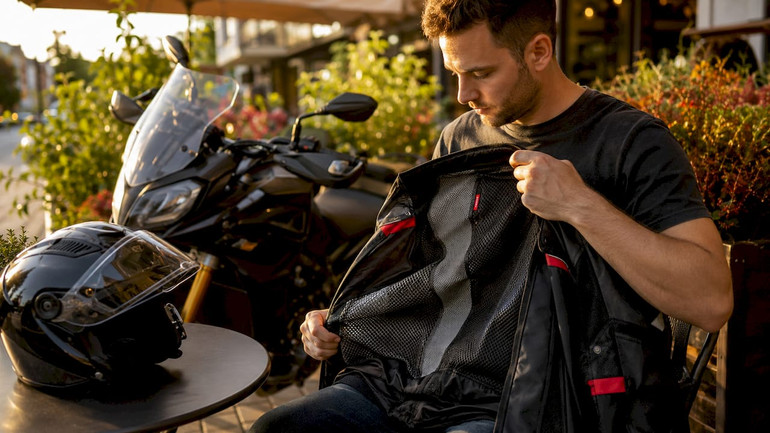
Motorcycle Gear Breathability: What Every Rider Must Know
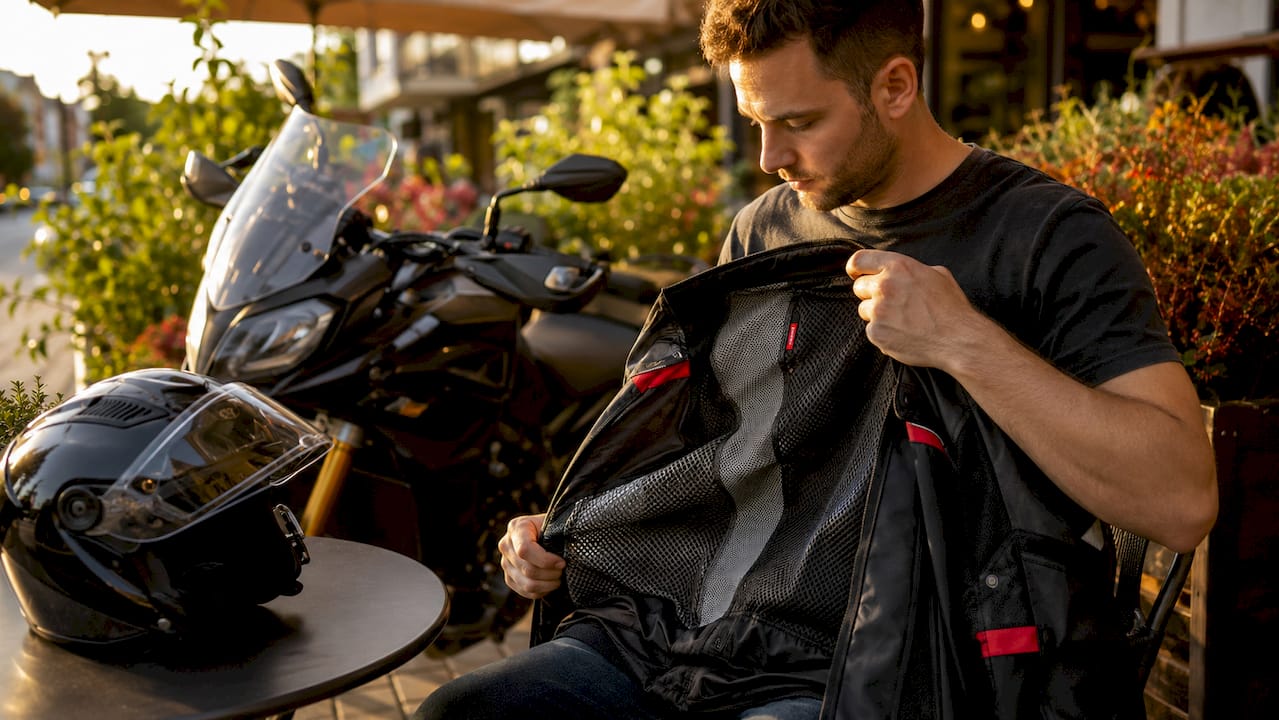
Motorcycle gear breathability is defined as a material’s ability to let sweat vapor escape outward while blocking rain and wind from getting in. Think of it as your jacket playing bouncer at the club: sweat gets out, weather stays out. This property, technically called Moisture Vapor Transmission Rate (MVTR) or measured by the Resistance to Evaporative Heat Transfer (RET) system, is not a luxury feature. It is a direct safety factor. Poor breathability traps heat, and overheating causes fatigue and slower reactions on the road. Understanding what is motorcycle gear breathability means understanding how your gear manages your body’s microclimate every single mile.
What is motorcycle gear breathability and how is it measured?
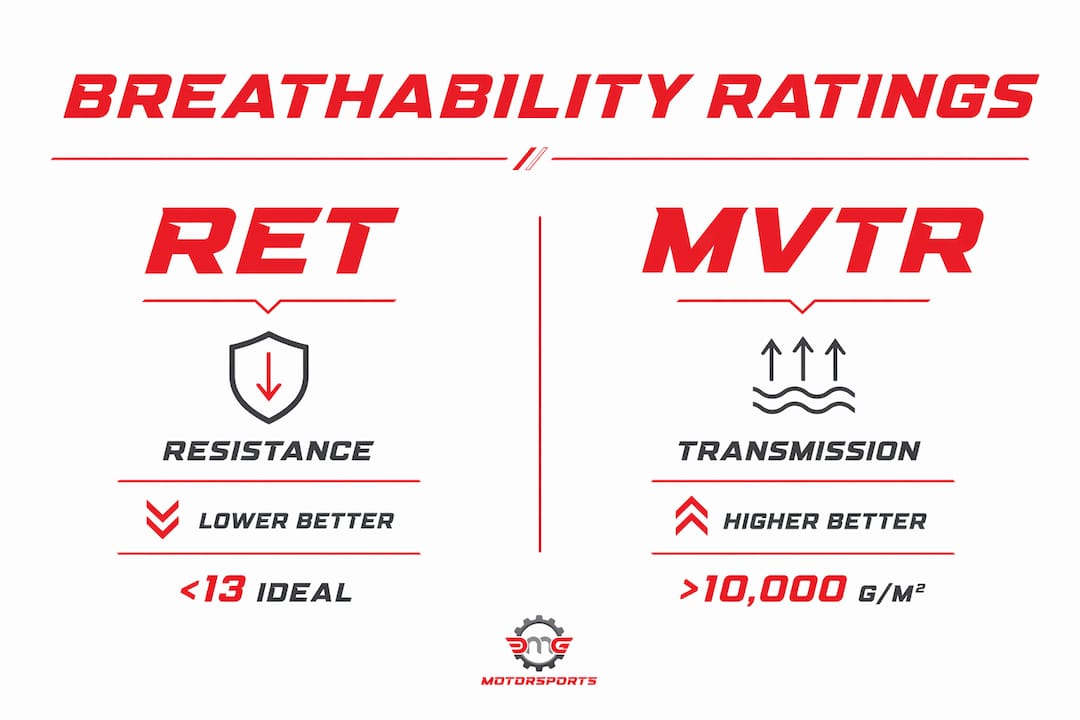
Two rating systems define breathability in riding gear: RET and MVTR. They measure the same phenomenon from opposite directions, and knowing both helps you shop smarter.
RET (Resistance to Evaporative Heat Transfer) measures how much a fabric resists the escape of sweat vapor. Lower numbers mean less resistance, which means better breathability. RET below 6 is elite breathability. Values under 13 are considered good for most riding conditions. Anything above 20 and you are basically wearing a sauna suit on the highway.
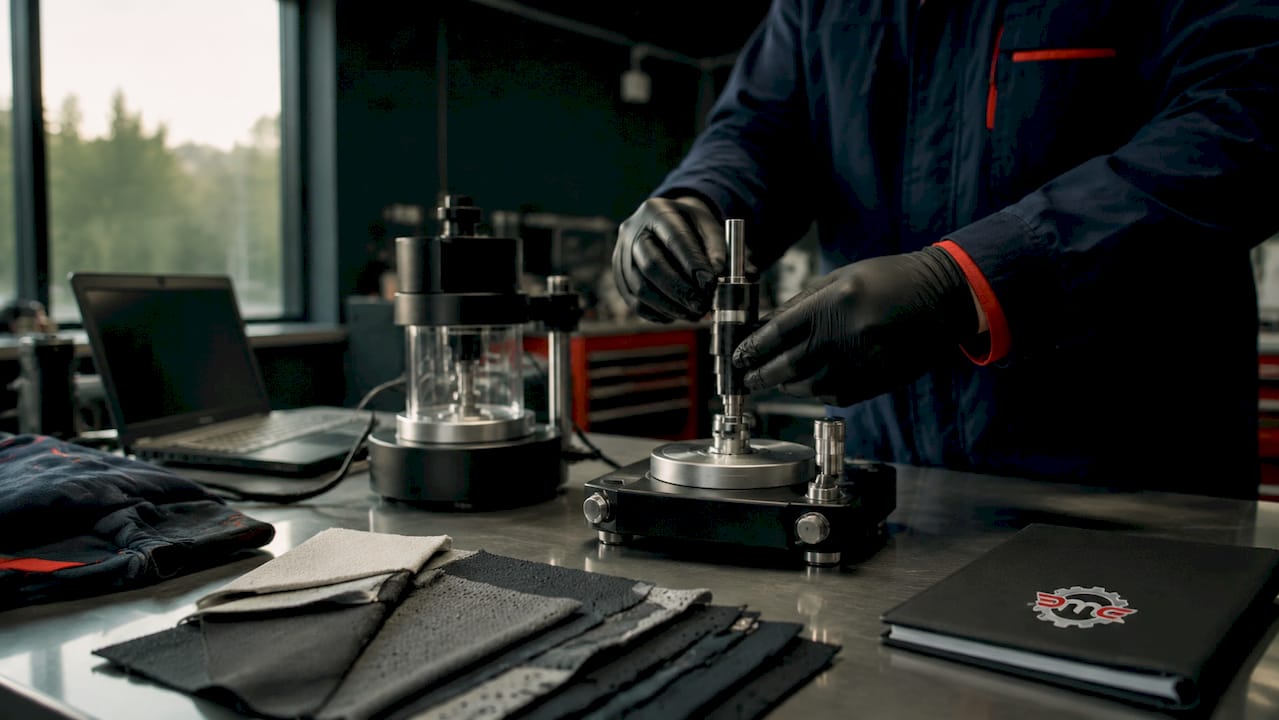
MVTR (Moisture Vapor Transmission Rate) flips the perspective. It measures grams of moisture vapor passing through one square meter of fabric in 24 hours. Higher numbers mean more sweat escapes. A jacket rated at 20,000 g/m²/24h breathes significantly better than one rated at 5,000 g/m²/24h.
| Rating System | What It Measures | Better Score | Good Threshold |
|---|---|---|---|
| RET | Resistance to vapor escape | Lower is better | Under 13 |
| RET Elite | Same system, top tier | Lower is better | Under 6 |
| MVTR | Vapor passing through fabric | Higher is better | 10,000+ g/m²/24h |
Here is the catch most brands do not advertise: breathability ratings vary depending on test conditions like temperature and relative humidity. A jacket tested in a cool, dry lab will show a higher MVTR than the same jacket tested in humid summer air. That means you should compare ratings within the same brand rather than across manufacturers. Treat cross-brand numbers as rough guides, not gospel.
Pro Tip: When comparing gear, ask whether the brand publishes RET or MVTR values. Brands that do are usually more serious about performance claims than those that only use vague marketing terms like “highly breathable.”
Breathability vs. ventilation: what is the real difference?
Riders mix these two up constantly, and the confusion leads to bad gear choices. Breathability and ventilation are distinct properties. Breathability is a material property: vapor passes through the fabric itself. Ventilation is mechanical: air moves through physical openings like zippers, mesh panels, or perforations.
Here is why that distinction matters in practice:
- A jacket with large chest vents gives you great airflow at 70 mph but zero protection from sweat management when you stop in traffic.
- A Gore-Tex jacket with no vents breathes continuously through the membrane, even at low speeds, but may feel warm on a hot day without airflow.
- A perforated leather jacket ventilates well but the leather itself does not transmit vapor, so sweat still builds up against your skin.
- Mesh jackets offer maximum airflow but rely entirely on ventilation, not breathability, which means cold air penetration is a real risk on cooler days.
The best breathable riding jackets combine both: a breathable membrane for continuous vapor management and physical vents for active airflow control. Relying only on ventilation is like opening a window instead of running the AC. It works until conditions change.
Pro Tip: On a mixed-weather ride, close your vents and let the membrane do the work in rain. Open them on dry, hot stretches. Gear that forces you to choose one or the other is working against you.
What materials and construction make gear truly breathable?
The fabric and build of your jacket determine whether breathability is real or just a marketing claim. Here is how the main options stack up.
Technical membranes
Gore-Tex is the most recognized waterproof-breathable membrane in motorcycle gear. It uses a microporous PTFE layer that allows vapor molecules to pass through while blocking liquid water droplets. Other brands use proprietary membranes with similar technology. These membranes deliver genuine breathability because vapor transmission happens at the material level, not just through holes.
Mesh panels and perforations
Mesh panels placed at the chest, back, and underarms maximize airflow in warm weather. Perforations in leather or textile jackets serve a similar purpose. However, standard faux leather with a non-porous PU coating is not truly breathable on its own. Perforated panels compensate for that limitation by improving airflow, but they do not create vapor transmission through the material itself.
Modular liners and removable windbreakers
Modular gear designs with removable liners are the most effective approach for managing diverse riding conditions. A ventilated outer shell paired with a removable waterproof windbreaker gives you rider-controlled thermal regulation. You get breathability in warm weather by removing the liner, and weather protection in rain by adding it back. This approach beats any single-fabric solution for year-round versatility.
| Construction Type | Breathability | Ventilation | Best For |
|---|---|---|---|
| Gore-Tex membrane | High | Low to medium | Rain and cool weather |
| Mesh panels | Low | High | Hot, dry conditions |
| Perforated leather | Low | Medium | Style-focused warm rides |
| Modular liner system | High (adaptable) | High (adaptable) | Year-round, mixed climates |
How to choose motorcycle gear for breathability by riding conditions
Breathability has real physics limits. In very humid conditions, the vapor pressure difference between your skin and the outside air shrinks, and physics limits breathability in those environments. Gear helps manage moisture but cannot eliminate sweat completely when humidity is high. Setting realistic expectations saves you from blaming your jacket when the problem is the weather.
Here is a practical framework for matching gear to your riding conditions:
-
City riding in mixed weather. Look for a waterproof rating of at least 10,000 mm hydrostatic head and an MVTR above 10,000 g/m²/24h. A 10,000 mm waterproof rating covers city rain conditions well. Pair that with a breathable membrane and you stay dry from both directions.
-
Highway riding in frequent rain. Step up to a waterproof rating of 15,000 to 20,000 mm for sustained exposure at speed. At highway speeds, rain hits with more force, so seam sealing and garment fit matter as much as the fabric rating.
-
Touring across climates. Prioritize modular components over single-fabric breathability. A touring jacket with a removable thermal liner and a separate waterproof windbreaker adapts to temperature swings better than any fixed-construction jacket.
-
Hot, dry summer riding. Ventilation matters more than membrane breathability here. Choose mesh panels or perforated construction and accept that waterproofing takes a back seat. You can always add a rain layer from your luggage.
-
Layering on the road. A moisture-wicking base layer does the heavy lifting closest to your skin. It pulls sweat away from your body and toward the jacket membrane. Without a good base layer, even elite-rated gear feels clammy.
Key Takeaways
Breathability is a safety feature, not a comfort bonus. Gear that manages sweat vapor keeps you focused, dry, and in control across every type of ride.
| Point | Details |
|---|---|
| RET and MVTR are the key metrics | RET under 13 is good; MVTR above 10,000 g/m²/24h signals solid breathability. |
| Breathability and ventilation are different | Breathability moves vapor through fabric; ventilation moves air through openings. |
| Modular designs win for versatility | Removable liners and windbreakers outperform any single-fabric solution year-round. |
| Test conditions affect ratings | Compare breathability numbers within one brand, not across manufacturers. |
| Match gear to your riding conditions | City, highway, and touring rides each need different waterproof and breathability thresholds. |
Why breathability changed how I think about gear
I used to shop for jackets the way most riders do: protection rating first, looks second, and breathability somewhere near the bottom of the list. Then I spent a long august afternoon on a touring run through Tennessee humidity, wearing a fully waterproof jacket with no membrane worth mentioning. By mile 80, I was so soaked in sweat and so mentally foggy that I pulled off the highway just to sit in the shade and reset. That was not a comfort problem. That was a safety problem.
The research backs up what I felt that day. Overheating from poor breathability causes fatigue and slower reaction times. Those are not abstract risks. They are the difference between catching a hazard and missing it.
What changed my approach was learning to treat breathability as a system, not a single spec. A Gore-Tex membrane, a moisture-wicking base layer, and a jacket with adjustable vents work together. No single piece solves the problem alone. I also stopped comparing MVTR numbers across brands after learning that test conditions affect reported values significantly. Now I compare within a brand’s lineup and use real-world reviews to fill the gaps.
My honest advice: if you ride more than a few hours at a stretch, especially in summer or variable weather, breathability deserves the same weight as impact protection in your buying decision. The industry is moving toward modular designs for exactly this reason, and that trend is right. A jacket that adapts to conditions beats a jacket that is perfect for one scenario and miserable in every other.
— Bryan
Find breathable motorcycle gear at Dmgmotorsports
Ready to stop sweating through your rides? Dmgmotorsports carries a full lineup of breathable riding jackets, modular gear systems, and waterproof-breathable apparel built for riders who take both comfort and protection seriously.
Whether you need a Gore-Tex touring jacket for cross-country runs or a ventilated mesh jacket for summer city riding, Dmgmotorsports stocks options across every riding style and budget. Explore the full motorcycle gear collection and find gear that actually works with your body, not against it. Your next ride should feel like freedom, not a steam room.
FAQ
What is the difference between RET and MVTR?
RET measures resistance to vapor escape, and lower values mean better breathability. MVTR measures how much vapor passes through fabric per day, and higher values mean better breathability.
Does breathable gear keep you dry in rain?
Yes, if it combines a waterproof membrane with breathability. Waterproofing blocks rain from outside, and breathability lets sweat vapor escape from inside, keeping you dry from both directions.
Is ventilated gear the same as breathable gear?
No. Ventilation moves air through physical openings like vents or mesh. Breathability moves vapor through the fabric itself. Gear can have one without the other.
How do I know if a jacket is truly breathable?
Look for published RET or MVTR ratings. An RET under 13 or an MVTR above 10,000 g/m²/24h indicates real breathability. Vague claims like “highly breathable” without numbers are not reliable.
Can breathability ratings be compared across brands?
Not reliably. Breathability ratings vary with test conditions like humidity and temperature. Compare ratings within the same brand’s lineup for the most accurate picture.
Recommended
- Staying Safe and Stylish on the Track: The Importance of Proper Motorcycle Gear - DMG Motorsports
- The Sexy Math of Motorcycle Gear: Statistical Benefits of Dressing Like a Power Ranger - DMG Motorsports
- 6 Top Beginner Motorcycle Accessories for New Riders - DMG Motorsports
- Best Motorcycle Helmets of 2025 (Beginner to Pro Riders) - DMG Motorsports