

Sportbike Aerodynamic Fairings: Performance Explained
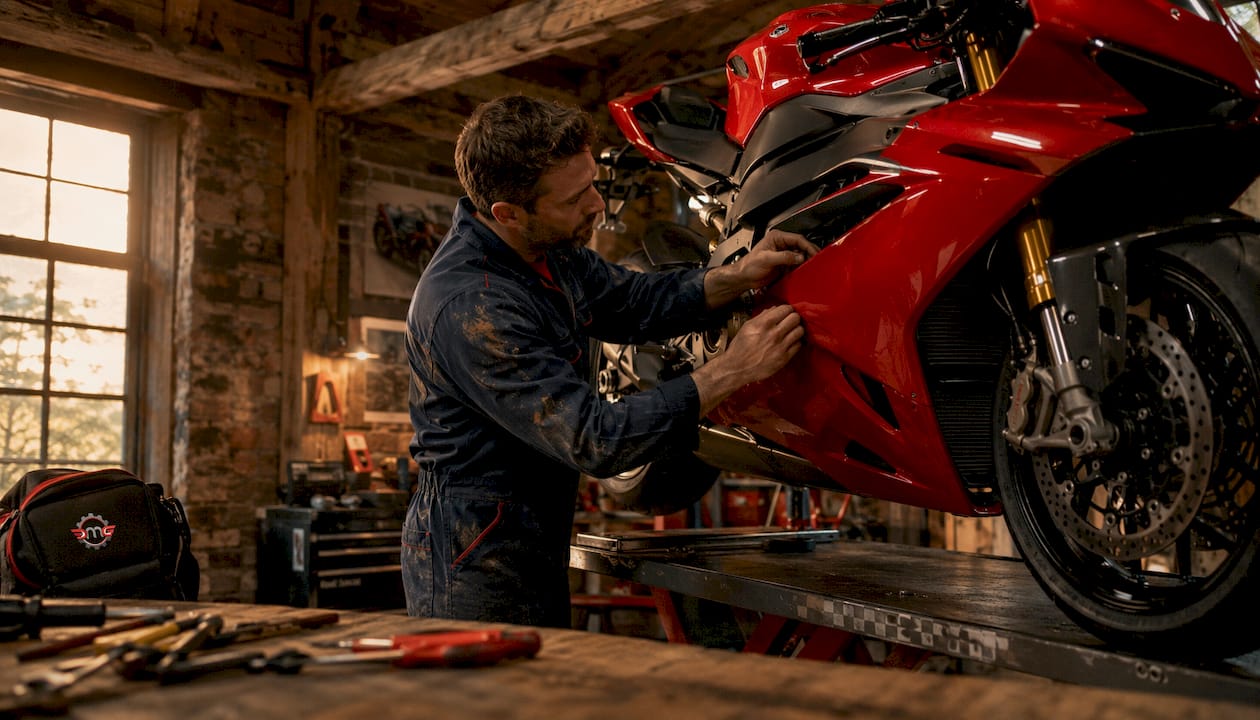
Sportbike aerodynamic fairings are the molded body panels that wrap your bike’s frame, shaping airflow to slash drag and, on modern high-performance machines, generate targeted downforce through winglets. Think of them as your bike’s aerodynamic armor: they make it faster, more stable at speed, and easier on your body over long hauls. The bottom line? Fairings improve top speed, high-speed stability, and rider comfort, but the real gains depend on design quality, precise fitment, and whether you’re carving canyons or chasing lap times. Motorcycle fairings are shells placed over the frame that reduce air drag while protecting the rider and engine components.
Pro Tip: Before buying any fairing kit, confirm whether it’s designed for street, track, or dual use. Track-only bodywork often skips lighting mounts and reflectors, which matters the moment you want to ride home.
Table of Contents
- How do sportbike fairings actually change airflow?
- What are the core components of a sportbike fairing?
- What performance gains can you actually expect?
- Materials, fitment, and what things cost
- Risks, mistakes, and street vs. track rules
- How to inspect and validate your fairing setup
- How fairings affect your cooling system
- Maintaining and repairing fairing materials
- Choosing fairings for your body size and riding style
- Key Takeaways
- Why I think most riders underestimate fairing fitment
- Gear up with Dmgmotorsports
- Trusted sources for further reading
How do sportbike fairings actually change airflow?
The primary job of a fairing is to reduce drag by managing how air flows around the bike and rider. Air hits the front of the bike at a stagnation point, and a well-shaped fairing guides that air smoothly around the body, delaying boundary-layer separation and reducing the turbulent wake behind the bike. Less turbulence means less drag, which means more speed for the same throttle input.
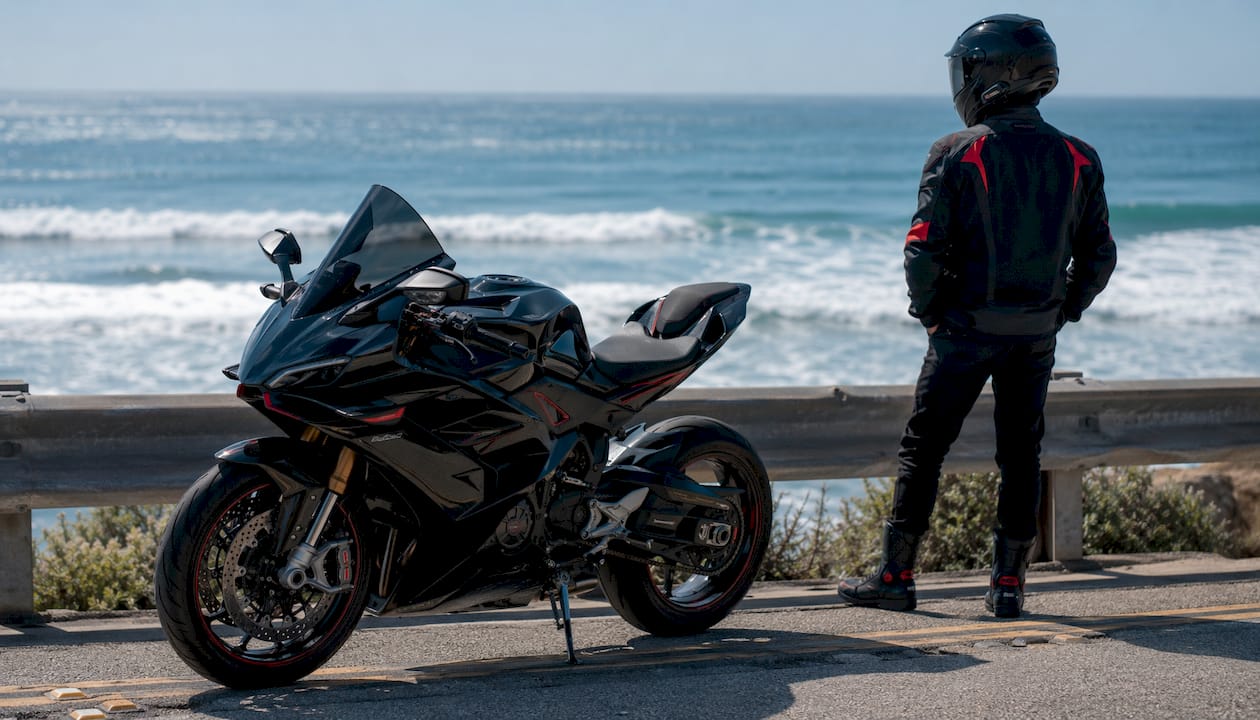
Winglets take this further. Modern high-performance fairings use winglets and integrated appendages to generate downforce, improving traction and stability during aggressive cornering. MotoGP teams pioneered this, and the tech has trickled down to production sportbikes. The winglets work like upside-down aircraft wings: they push the front wheel into the pavement under hard acceleration, reducing wheelies and keeping the chassis planted.
Here’s the counterintuitive part: not every fairing modification improves things. A CFD-validated wind-tunnel study found that some fairing shapes and attachments actually increase drag, and that benefits are highly configuration-specific. Even small objects, like a poorly placed bolt head or an ill-fitting aftermarket panel, can disrupt intended airflow and create separation where there was none before.
Stat to know: A chest-fairing CFD study measured drag-area reductions up to 3.6% for optimized configurations, while other configurations in the same test increased drag. Small shape changes, big consequences.
Pro Tip: Before committing to a track setup, do a simple before/after speed run on a flat, wind-free stretch. Note your GPS top speed and fuel consumption over identical distances. It’s not a wind tunnel, but it catches obvious regressions.
What are the core components of a sportbike fairing?
Knowing which panel does what saves you money, time, and headaches during installation or repair. Here’s the breakdown:
- Full fairing: Covers the upper and lower frame sections, providing maximum drag reduction and protecting engine covers during slides.
- Belly pan: Smooths airflow under the engine, reduces turbulence from the exhaust and frame, and keeps road debris off the motor.
- Windscreen: Deflects wind over the rider’s helmet, cutting buffeting and fatigue on long rides or at highway speeds.
- Winglets/spoilers: Generate downforce at the front axle to improve traction and resist wheelies under hard acceleration.
- Vents and ducts: Channel air to radiators, oil coolers, or brake ducts; critical for managing engine temperature at speed.
- Tail cowl: Streamlines the rear section, reduces turbulent wake, and on track bikes replaces the passenger seat entirely.
Full fairings are the standard choice on sportbikes because they prioritize drag reduction and act as sacrificial protection during crashes, sliding instead of exposing the engine and frame.
Fitment checklist: When fitting or swapping panels, check that all mounting tabs seat fully, gap tolerances between panels are even (typically 3–5 mm), fasteners are torqued to spec, and no panel edge contacts the frame or subframe under suspension travel.
What performance gains can you actually expect?
Fairings raise achievable top speed and improve stability at speed. Reduced drag means the engine reaches higher velocities without working as hard, which also reduces fuel consumption and engine stress over time. On a highway run, a well-fitted full fairing lets you cruise at 75 mph with noticeably less effort and less wind blast on your chest.
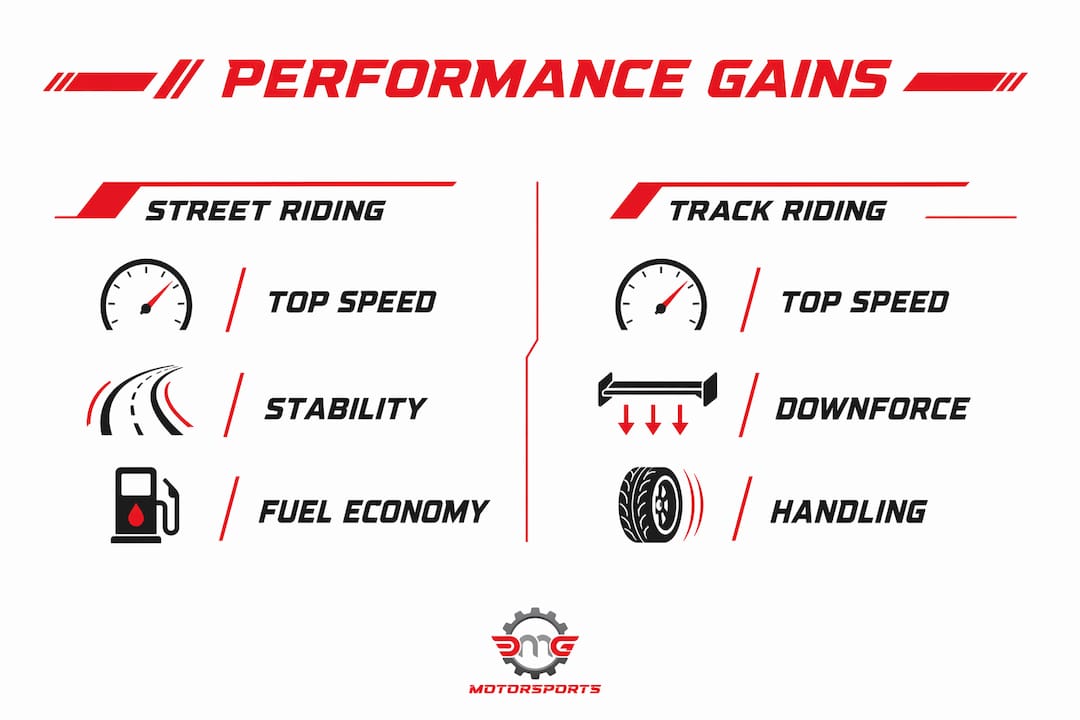
At track speeds, winglet-generated downforce changes the feel of the front end under acceleration. Instead of the front wheel going light at the exit of a corner, it stays loaded, giving you more confidence to get on the throttle earlier. That translates directly into faster lap times.
The trade-offs are real, though. A very low-drag shape or aggressive winglets can increase sensitivity to crosswinds, especially on exposed highways. And fairings and windscreens improve rider comfort by deflecting wind and reducing buffeting, but a windscreen that’s too tall can create turbulent air that batters your helmet at certain speeds.
| Effect | Street riding | Track riding |
|---|---|---|
| Top speed | Noticeable gain at highway speeds | Significant gain at racing speeds |
| Stability | Improved at high speeds | Critical at very high speeds |
| Cornering traction | Modest improvement with winglets | Major improvement with tuned winglets |
| Crosswind sensitivity | Can increase with aggressive shapes | Managed via setup and track conditions |
| Rider fatigue | Reduced via windscreen and bodywork | Reduced; comfort less critical |
One safety note worth repeating: aerodynamic changes interact with tire grip and suspension setup. Fairings alone don’t fix traction problems. If your suspension is out of adjustment, adding downforce just loads a poorly set-up chassis harder.
Materials, fitment, and what things cost
ABS plastic is affordable and flexible, making it the go-to for street riders who want a cost-effective replacement. Fiberglass is a cheaper performance option but more brittle on impact. Carbon fiber is light, stiff, and expensive, and it’s the material of choice for serious track riders who want every gram off the bike.
| Material | Weight | Durability | Repairability | Relative cost |
|---|---|---|---|---|
| ABS plastic | Moderate | Good (flexes on impact) | Easy (filler, paint) | Lowest |
| Fiberglass | Moderate-light | Fair (cracks on impact) | Moderate (resin repair) | Mid-range |
| Carbon fiber | Lightest | Good (stiff, but shatters) | Difficult (specialist) | Highest |
Fairing materials each carry predictable trade-offs in cost, weight, stiffness, and repairability. OEM fairings offer better fit, factory paint match, and warranty coverage, but they cost more. Aftermarket kits often require trimming, bracket changes, or filler panels to fit correctly.
For a typical street fairing swap, budget 3–5 hours of labor if you’re doing it yourself and have basic mechanical skills. A full track fairing set swap can take less time once you’ve done it a few times, since track kits often use quick-release fasteners.
Pro Tip: Always dry-fit every panel before painting or applying decals. Gaps and misalignments are much easier to fix before the paint is on.
Risks, mistakes, and street vs. track rules
Improper modifications can increase drag or destabilize the bike, and the CFD evidence backs this up: configuration matters more than intent. Here are the most common mistakes:
- Misaligned panels that create steps or gaps in the airflow path, generating turbulence and drag.
- Loose fasteners that allow panels to flex or vibrate, disrupting the intended aerodynamic shape.
- Added objects (cameras, brackets, aftermarket winglets at wrong angles) that cause flow separation.
- Incompatible winglet angles that generate lift instead of downforce, destabilizing the front end at speed.
- Race-only fairings on street bikes that lack required lighting mounts, reflectors, or turn-signal provisions under U.S. state regulations.
Street riders in the U.S. need to confirm that any fairing modification preserves required lighting and reflector positions. Track-only bodywork is often lighter and more aerodynamically aggressive, but it’s not designed for road legality. Always verify your state’s equipment requirements before riding modified bodywork on public roads.
This article is general information, not legal or regulatory advice. Confirm current equipment requirements with your state’s DMV or a qualified professional for your specific situation.
How to inspect and validate your fairing setup
Regular inspection and basic validation keep aerodynamic performance and safety intact. Here’s what to check and when:
- After every track session: Inspect all fasteners for torque, check panels for cracks or paint lift, and verify gap symmetry between panels.
- Every 3,000 street miles: Check windshield seals and mounting hardware, look for stress cracks at mounting tabs, and confirm no panel contacts the frame under full suspension compression.
- After any crash or drop: Replace or repair before riding again. Full fairings act as sacrificial components, absorbing abrasion to protect engine covers and frame sections.
For validation, the before/after speed-run method works well for street riders. Fuel economy over a consistent route is another useful proxy: if your consumption increases after a modification, drag likely went up. For serious custom winglet tuning, professional CFD or wind-tunnel testing is the only reliable answer. Seek professional help if you experience repeated high-speed instability or notice the front end going light after adding aero components.
How fairings affect your cooling system
Fairings aren’t just about aerodynamics. They actively manage airflow to radiators, oil coolers, and brake ducts, which means fairing design directly affects engine temperature. Vents and ducts built into the fairing direct high-pressure air from the front stagnation point into the cooling system. Remove or block those ducts with an ill-fitting aftermarket panel, and coolant temperatures climb, especially in slow traffic or on hot days.
Track fairings often include dedicated brake-duct provisions that street fairings skip. If you’re running a track-spec fairing on a street bike, check that the radiator intake area matches your OEM spec. A belly pan that seals too tightly under the engine can also trap heat, so confirm your specific kit’s ventilation design before installation.
Maintaining and repairing fairing materials
ABS plastic is the most forgiving material to repair. Small cracks respond well to plastic welding or flexible body filler, and the surface takes paint easily. For deeper damage, ABS repair kits with solvent-based adhesives are widely available and work reliably.
Fiberglass requires resin and cloth repair for cracks, and the process is messier but still DIY-friendly with the right materials. Sand the damaged area, apply fiberglass cloth and resin, let it cure fully, then sand and prime before painting. The key is not rushing the cure time.
Carbon fiber is a different animal. Surface scratches can be polished out, but structural cracks or delamination need a specialist. Attempting a DIY structural repair on carbon fiber with the wrong materials can leave the panel weaker than before, which is a safety issue at speed. For cosmetic carbon panels (tail cowls, belly pans), a clear-coat touch-up often handles minor surface damage. For structural pieces, replace rather than repair.
Choosing fairings for your body size and riding style
Fairing selection isn’t one-size-fits-all, and your height and riding position matter more than most riders realize. A taller rider on a sportbike with a low windscreen will get blasted with turbulent air above the screen edge, causing head buffeting and fatigue. A windscreen that’s 2–3 inches taller can completely change the experience.
Heavier or larger riders generate more frontal area, so a full fairing with a well-shaped windscreen provides proportionally more benefit. Shorter riders may find that a standard sportbike windscreen already clears their helmet, making aftermarket height adjustments unnecessary.
For ergonomics, consider how the fairing’s shape affects your reach to the bars. Some aftermarket full fairing kits alter the upper fairing profile enough to change the feel of the riding position, particularly on aggressive track setups. Always check that the fairing doesn’t restrict handlebar lock-to-lock movement before riding.
Key Takeaways
Sportbike aerodynamic fairings reduce drag, generate downforce via winglets, and protect the engine, but only when correctly fitted and matched to your riding use case.
| Point | Details |
|---|---|
| Drag reduction is the core function | Well-fitted fairings reduce aerodynamic drag, raising top speed and lowering engine stress. |
| Winglets add downforce, not just looks | Integrated winglets improve front-wheel traction and stability at high speeds, especially under acceleration. |
| Material choice drives cost and repairability | ABS suits street riders; carbon fiber suits track riders willing to pay for weight savings. |
| Poor fitment can increase drag | Misaligned panels or incompatible mods can worsen aerodynamics, as CFD studies confirm. |
| Dmgmotorsports supports fitment and parts | Dmgmotorsports stocks fairing components and performance accessories for riders across the United States. |
Why I think most riders underestimate fairing fitment
Most of the conversation around sportbike fairings focuses on materials and winglet design, which makes sense. Carbon fiber looks great in a spec sheet, and winglets are genuinely exciting technology. But the single biggest factor in whether a fairing actually performs as intended is fitment precision, and that part gets almost no attention.
A carbon fiber panel with a 6 mm gap at the mounting tab is aerodynamically worse than a properly fitted ABS panel. The CFD evidence is clear: small disruptions in the airflow path create drag and turbulence that undo the gains from expensive materials. Riders spend serious money on premium fairing kits and then rush the installation, skip the dry-fit, and wonder why the bike doesn’t feel different.
The other thing worth saying plainly: winglets are not a universal upgrade. On a street bike that rarely exceeds 80 mph, the downforce from aftermarket winglets is minimal and the crosswind sensitivity increase is real. Winglets earn their place at track speeds. At street speeds, a clean, well-fitted full fairing with a properly sized windscreen will do more for your ride than any winglet kit.
Gear up with Dmgmotorsports
Dmgmotorsports is the rider-first destination for fairing components, performance accessories, and motorcycle parts across the United States. Whether you’re sourcing an OEM replacement panel after a low-side or building out a track-spec setup with carbon fiber bodywork, Dmgmotorsports carries products from top industry brands with fitment search by vehicle so you get the right part the first time. No guessing, no generic catalog browsing. Browse the full range of motorcycle performance parts at Dmgmotorsports and use the fitment tool to confirm compatibility before you buy.
Trusted sources for further reading
Want to go deeper on the science and specifics? These are the resources that informed this guide:
- CFD analysis of chest fairings in time trial cycling — Wind-tunnel validated CFD study showing how small shape changes produce measurable drag reductions or increases; essential reading before any custom aero work.
- Motorcycle Aerodynamics Explained (Bikerz) — Plain-language technical explainer covering winglets, downforce, and rider comfort; good starting point for understanding modern sportbike aero.
- Motorcycle fairing (Wikipedia) — Solid background on fairing types, materials, and protective function; useful for understanding the full/half/streamliner classification.
- Dmgmotorsports Sportbike Aerodynamic Accessories Guide — Product-level examples and recommendations for sportbike aero accessories, with fitment guidance from the Dmgmotorsports team.
If you’re planning serious performance-driven modifications, consult published CFD or wind-tunnel work specific to your bike’s geometry. Generic aero advice rarely translates directly to a specific chassis.
Recommended
- Sportbike Aerodynamic Accessories: Examples and 2026 Guide - DMG Motorsports
- Motorcycle Service Explained: Boosting Performance and Safety - DMG Motorsports
- The Sexy Math of Motorcycle Gear: Statistical Benefits of Dressing Like a Power Ranger - DMG Motorsports
- How to Fit a Motorcycle Helmet for Performance and Comfort - DMG Motorsports