

Motorcycle Service Explained: Boosting Performance and Safety
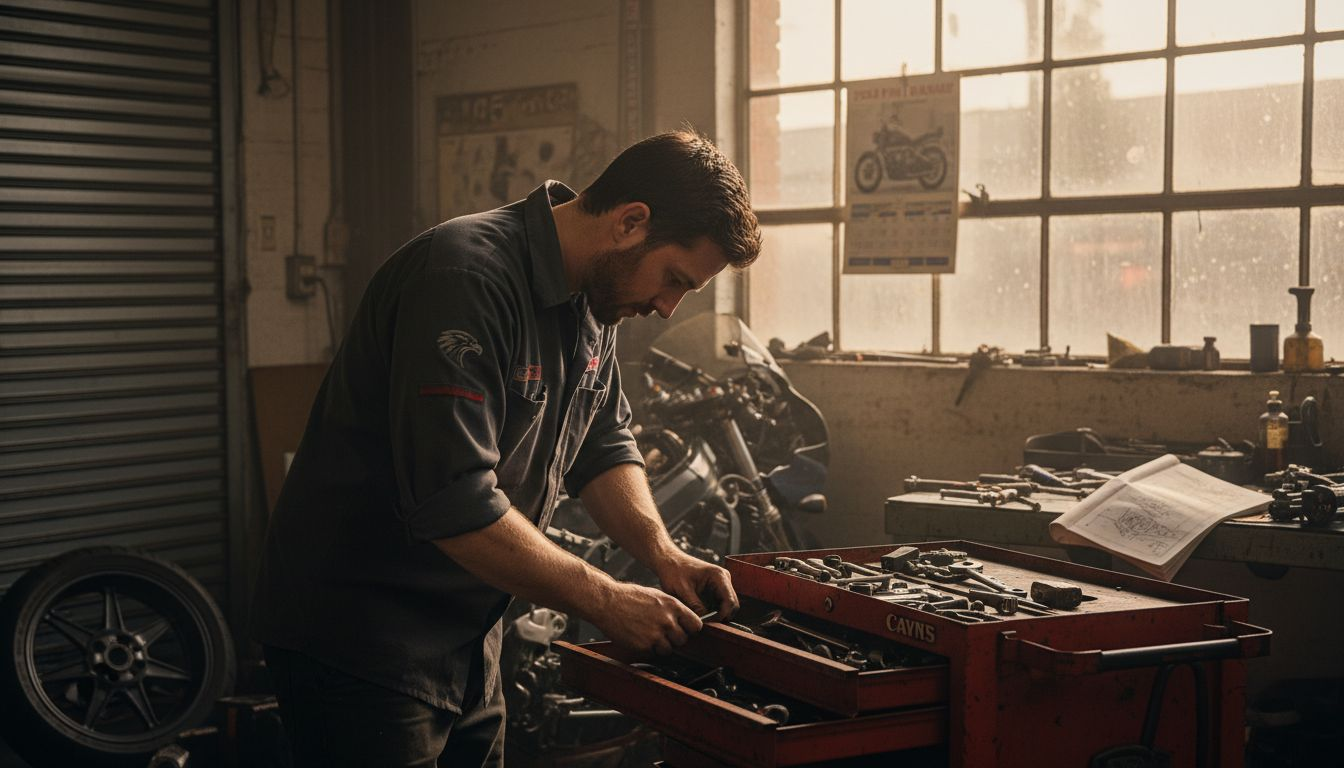
Serious riders in Southern California know there is more to motorcycle service than just oil changes and the occasional bolt check. With demanding canyon roads and year-round riding weather, cutting corners on maintenance can mean the difference between a flawless ride and a roadside breakdown. By understanding what real service covers and separating common service myths from fact, you can keep your machine performing at its best and stay confidently ahead of mechanical trouble.
Table of Contents
- Defining Motorcycle Service And Common Myths
- Types Of Motorcycle Service: Routine And Specialized
- How Motorcycle Service Enhances Safety And Performance
- Legal And Warranty Considerations For Motorcycle Maintenance
- Mistakes To Avoid And Maximizing Service Value
Key Takeaways
| Point | Details |
|---|---|
| Comprehensive Motorcycle Service | Motorcycle service includes preventive maintenance, performance optimization, and safety system checks to keep your bike reliable and safe. |
| Routine vs Specialized Service | Regular maintenance prevents issues, while specialized service addresses specific mechanical needs; both are essential for optimal performance. |
| Legal and Warranty Obligations | Proper maintenance is not only crucial for safety but also a legal requirement; neglecting it can void warranties and lead to fines. |
| Avoiding Common Mistakes | Skipping essential services and using incorrect fluids can lead to costly repairs; staying diligent with maintenance saves money and enhances safety. |
Defining Motorcycle Service and Common Myths
Motorcycle service is far more than just changing oil and tightening bolts. It’s a comprehensive maintenance system designed to keep your bike running at peak performance while protecting your safety on every ride. Whether you’re carving through Southern California canyons or prepping for track days, understanding what service actually involves separates riders who stay confident and safe from those who face unexpected breakdowns.
Service encompasses three core areas:
- Preventive maintenance that catches problems before they become dangerous
- Performance optimization that keeps your bike responsive and reliable
- Safety system checks that ensure brakes, tires, and electronics work flawlessly
What Real Motorcycle Service Looks Like
Proper service goes beyond the basics. It includes detailed inspections of brake fluid condition, suspension geometry, chain tension, battery health, and fuel system integrity. Your technician should check tire tread depth and pressure, verify brake pad thickness, inspect brake lines for leaks, and test all electrical systems.
Regular service intervals matter significantly. Most riders benefit from oil changes every 3,000 to 6,000 miles, depending on their bike and riding style. Track-focused riders often service more frequently due to aggressive riding demands.
Quality service builds confidence. You’ll ride better knowing your bike is mechanically sound and ready for whatever the road throws at you.
Busting Common Motorcycle Service Myths
Misunderstandings about motorcycle maintenance can cost you serious money and put you at real risk. Let’s address the biggest ones.
Myth 1: I only need service when something breaks. This is backwards. Preventive maintenance stops problems before they start. Waiting for failure means riding with degraded performance, risking mechanical failure, and facing expensive repairs.
Myth 2: Louder exhaust improves safety by making me more visible. This one persists despite the evidence. Loud exhaust pipes don’t prevent accidents because other drivers simply aren’t listening for you. Visibility and rider awareness actually protect you.
Myth 3: Only inexperienced riders need training after they buy a bike. Wrong. Even experienced riders benefit from ongoing skill development and understanding how their specific motorcycle behaves. Your bike’s handling, braking, and power delivery are unique to its design and setup.
Myth 4: All motorcycles need the same service schedule. Sportbikes, cruisers, adventure bikes, and street fighters have different demands. Your service needs depend on your riding style, bike type, and local conditions.
Myth 5: Basic maintenance is something I can’t mess up. Improper service creates safety hazards. Wrong tire pressures, improperly adjusted chains, and contaminated fluids all degrade performance and create real danger.
The reality: proper motorcycle gear and ongoing safety practices work together with solid maintenance to keep you safe. You can’t gear up well and then ride a poorly maintained bike.
Pro tip: Track your service dates and mileage in your phone’s calendar or a dedicated maintenance app—consistency beats guesswork, and you’ll know exactly when your next service is due.
Types of Motorcycle Service: Routine and Specialized
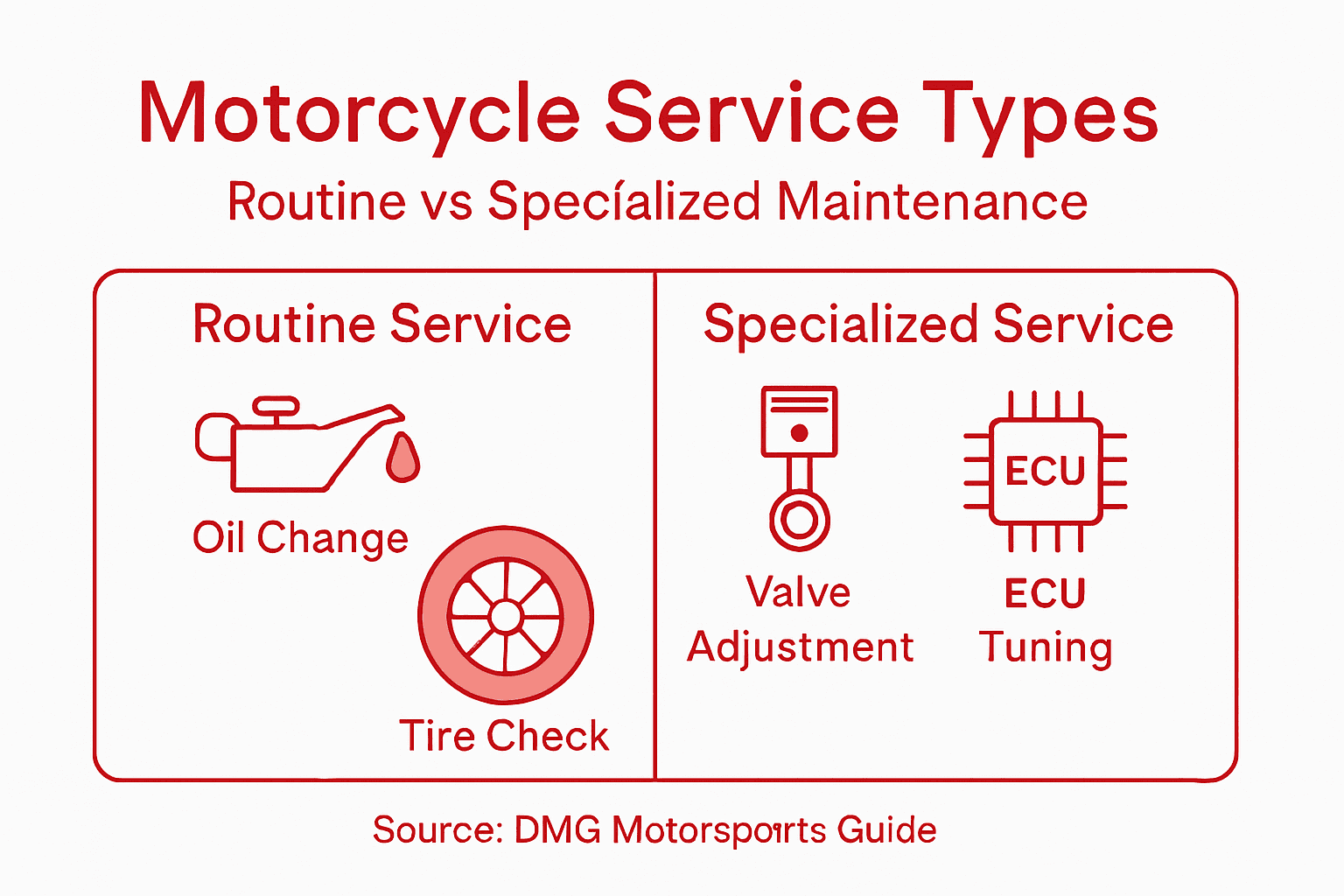
Not all service is created equal. Your bike needs different types of maintenance depending on mileage, riding conditions, and what you’re asking it to do. Understanding the difference between routine maintenance and specialized service helps you plan ahead, budget properly, and keep your motorcycle running reliably.
Routine service keeps your bike healthy. Specialized service fixes specific problems or prepares your bike for demanding conditions. Both matter equally for performance and safety.
Here’s a quick comparison of routine vs. specialized motorcycle service:
| Service Type | Typical Frequency | Purpose | Examples |
|---|---|---|---|
| Routine Maintenance | Every 3-6 months | Prevent issues, upkeep | Oil changes, battery check |
| Specialized Service | As needed, occasional | Restore performance, repair | Engine diagnostics, suspension |
Understanding these differences helps riders plan maintenance more effectively.
Routine Maintenance: The Foundation
Routine service is the regular upkeep that prevents problems from developing. This is where consistency matters most. Standard routine maintenance includes oil changes, filter replacements, fluid top-ups, and visual inspections that catch wear before it becomes dangerous.
Think of routine service as preventive health care for your motorcycle. You’re checking systems, replacing worn consumables, and making minor adjustments.
Routine service typically covers:
- Oil and filter changes every 3,000-6,000 miles
- Brake fluid inspection and replacement on schedule
- Chain cleaning, lubrication, and tension adjustment
- Tire pressure and tread depth checks
- Battery health testing and terminal cleaning
- Coolant level verification and condition assessment
- Air filter inspection and replacement as needed
Regular routine maintenance prevents 90% of mechanical issues from ever developing—it’s the cheapest insurance you can buy.
Most riders complete routine service every 3-6 months, depending on riding frequency and conditions. Track riders service more often. Casual weekend riders might stretch intervals slightly longer, but consistency beats sporadic attention.
Specialized Service: Beyond the Basics
Specialized service addresses specific mechanical needs, performance upgrades, or damage repair. Motorcycle mechanics perform specialized diagnostics on engine performance, suspension tuning, and component replacement work that goes beyond routine maintenance.
When you need specialized service:
- Engine diagnostics reveal performance issues or fault codes
- Suspension setup optimizes handling for your weight and riding style
- Brake system overhaul includes caliper rebuilds and line replacement
- Transmission work addresses shifting issues or internal wear
- Electrical system repair handles charging problems or module failures
- Fuel system service cleans injectors or rebuilds carburetors
- Wheel and bearing service addresses wear or damage
Specialized service becomes necessary when you notice performance changes, warning lights illuminate, or you’re preparing for track days. A skilled technician diagnoses the actual problem rather than guessing.
The difference is significant. Routine service maintains your current condition. Specialized service restores performance or fixes problems that routine maintenance can’t address.
Pro tip: Keep detailed service records documenting every maintenance visit and repair—when you sell your bike or need warranty work, complete service history proves you’ve maintained your motorcycle properly.
How Motorcycle Service Enhances Safety and Performance
Service isn’t just about keeping your bike running—it’s about keeping you alive. Every component that gets serviced directly impacts your safety, braking ability, and control on the road. When you combine reliable mechanical systems with proper protective gear, you create a complete safety system that works together to protect you.
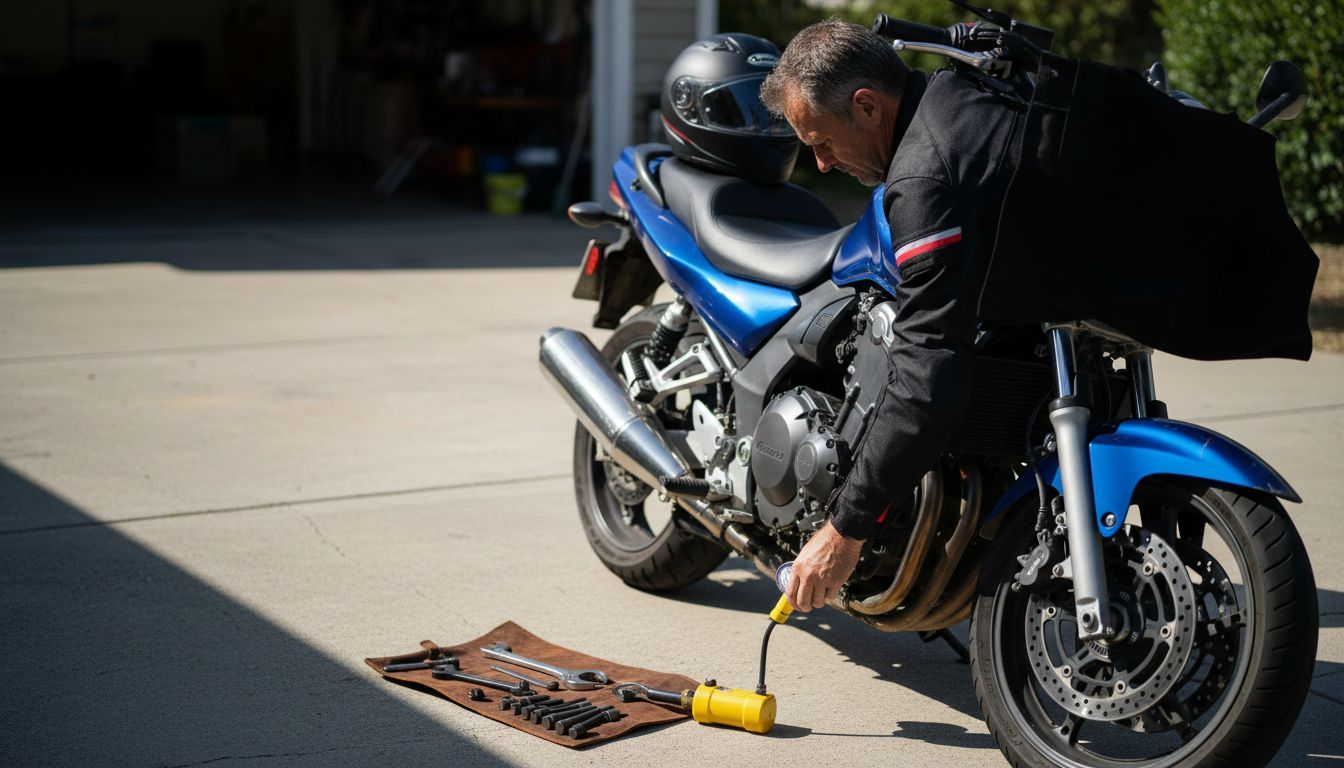
A well-maintained motorcycle responds predictably, stops reliably, and handles confidently. Neglected systems fail unpredictably, often at the worst possible moment.
Safety Impact: The Non-Negotiable Systems
Regular maintenance of mechanical systems significantly reduces crash risk through improved visibility and rider control. Your brakes, tires, lights, and suspension are safety-critical. Service directly maintains these systems at their designed performance level.
The critical safety systems service protects:
- Braking system ensures you stop when you need to, every time
- Tire condition maintains grip and prevents blowouts at speed
- Lighting systems make you visible to other riders and drivers
- Suspension geometry keeps your bike stable through turns
- Fuel system prevents stalling or fuel leaks
- Electrical systems power your ignition, charging, and safety lights
A brake fluid flush removes moisture that degrades stopping power. Tire maintenance prevents wear patterns that cause slides. Chain service prevents skipping that throws your timing off. These aren’t minor details—they’re the difference between stopping and crashing.
For easy reference, here are key systems and their impact on safety and performance:
| System | Safety Impact | Performance Impact | Common Maintenance |
|---|---|---|---|
| Brakes | Reliable stopping | Responsive braking | Fluid flush, pad check |
| Tires | Prevents blowouts, ensures grip | Steady handling | Pressure, tread inspection |
| Suspension | Confident cornering | Predictable turns | Geometry and tuning |
| Fuel System | Avoids stalls, leaks | Consistent power delivery | Injector cleaning, filter |
| Electrical Systems | Illuminates, powers controls | Reliable starts | Battery test, wiring check |
Prioritizing these systems will maximize both your safety and ride quality.
Poor maintenance doesn’t just reduce performance—it actively increases crash risk by making your bike unpredictable when you need it most.
Performance Enhancement: Responsive and Reliable
Service directly improves how your bike feels and performs. A bike with fresh oil flows power smoothly. One with degraded oil feels sluggish and hesitant. The difference is noticeable immediately.
Performance gains from proper service include:
- Engine responsiveness with clean oil and filters
- Smooth shifting with proper fluid levels and cable adjustment
- Predictable handling from suspension that’s properly adjusted
- Crisp braking feel with fresh, non-contaminated fluid
- Consistent power delivery from clean fuel systems
- Reliable starting from a battery that’s been tested and maintained
Your Southern California riding demands precision. Whether you’re attacking Mulholland Drive or preparing for track days, a well-serviced bike responds exactly as you expect. That confidence translates to better control and faster lap times.
Think of service as tuning. You wouldn’t race a car with old spark plugs and dirty filters. Your motorcycle deserves the same attention.
Pro tip: Schedule major service work during your off-season or slower riding months—you’ll have time for any surprises, and your bike will be ready for peak performance when you need it.
Legal and Warranty Considerations for Motorcycle Maintenance
Service isn’t optional—it’s a legal requirement. Your motorcycle must meet safety standards to be street-legal, and proper maintenance is how you stay compliant. Ignoring service responsibilities puts you at legal risk and voids your warranty protection.
Understanding these obligations protects your investment and keeps you on the right side of the law.
Legal Maintenance Obligations
Motorcycle owners have legal responsibilities to maintain their vehicles in safe and compliant conditions, including regular inspections and component upkeep to meet licensing and registration requirements. Your state or local jurisdiction specifies which systems must function properly for your bike to be legal on the road.
You’re legally responsible for:
- Brake system must stop your bike effectively
- Lighting systems including headlights, taillights, and turn signals
- Tires meeting minimum tread depth and condition standards
- Mirrors providing proper rear visibility
- Horn that produces an audible warning signal
- Muffler system meeting noise regulations
- Frame and structure free from dangerous modifications
Police can cite you for riding with unsafe brakes, bald tires, or broken lights—regardless of how recently you serviced. Regular maintenance prevents these violations.
Riding an illegally maintained motorcycle isn’t just risky; it’s also costly through fines and potential liability if you’re involved in an accident.
Warranty Protection Through Proper Service
Your motorcycle’s warranty is conditional. Manufacturers require you to follow their service schedule exactly. Skipping scheduled maintenance voids coverage, leaving you paying for repairs that would otherwise be covered.
Warranty coverage depends on:
- Documented service at approved intervals
- Use of manufacturer-approved fluids and parts
- Proper maintenance records proving compliance
- No modifications that affect system performance
- No abuse or racing unless the bike is track-focused
Keep every service receipt. When you sell your bike, a complete service history proves you’ve maintained it properly, which increases resale value significantly. Buyers trust documented care.
Manufacturer coverage typically lasts 12-24 months, depending on the brand. That window closes quickly. Missing one scheduled service can void your entire warranty.
Registration and Inspection Requirements
Legal expectations around motorcycle training and licensing include maintaining your vehicle in safe operating condition as part of responsible ownership. Some states require annual safety inspections that specifically check maintenance items.
Inspection requirements vary by location. California, for example, doesn’t require annual motorcycle inspections, but other states do. Check your local regulations to understand your obligations.
When registration renewal comes around, ensure your bike is mechanically sound. Inspectors check brakes, lights, tires, and basic mechanical condition. Failing inspection delays your renewal and requires immediate repairs.
Pro tip: Schedule your service work before registration renewal so you’ll pass inspection on the first attempt—late registrations can result in fines and legal complications.
Mistakes to Avoid and Maximizing Service Value
Most riders make the same service mistakes repeatedly, costing them money and reliability. Understanding these pitfalls helps you avoid expensive repairs and get the most value from every service dollar spent.
Proactive service beats reactive crisis management every single time.
Common Service Mistakes That Cost You
Top motorcycle maintenance mistakes include ignoring oil changes, neglecting chain care, overlooking tire pressure, and using incorrect fluids. These aren’t minor oversights—they directly cause breakdowns and safety failures.
The biggest mistakes riders make:
- Skipping oil changes thinking you can stretch intervals longer
- Using wrong oil viscosity that doesn’t match manufacturer specs
- Neglecting chain maintenance until it seizes or breaks
- Ignoring tire pressure assuming they’re fine until they fail
- Postponing brake checks until stopping feels soft or delayed
- Mixing fluids by using cheap brake fluid or coolant
- Over-tightening bolts that should be torqued to specifications
- DIY work without proper tools creating leaks or alignment issues
Each mistake compounds. A neglected chain strains the transmission. Worn transmission parts damage the engine. Suddenly you’re facing thousands in repairs that started with a fifty-dollar service.
One skipped oil change costs you fifty dollars. One engine replacement costs you five thousand dollars. The math is simple.
Maximizing Your Service Investment
Proper service adds years to your motorcycle’s life and maintains resale value. Every dollar spent on preventive maintenance saves you five dollars in repairs.
To get maximum value from service:
- Use manufacturer-approved fluids that meet exact specifications
- Follow service intervals religiously without extension or shortcuts
- Document everything with receipts and maintenance records
- Address problems immediately before they cascade into bigger failures
- Trust your technician’s recommendations rather than delaying repairs
- Choose quality parts when replacements are needed
- Ride within your bike’s capability to minimize accelerated wear
When you sell your motorcycle, proper service history increases value by 15-25 percent. Buyers recognize that documented care means fewer hidden problems.
Track riders especially benefit from consistent service. You’re demanding more from your bike. Higher engine speeds, aggressive braking, and cornering forces all require flawless mechanical condition. Skipping service on a track bike is asking for mechanical failure at dangerous speeds.
Working With Your Technician
Avoiding frequent maintenance errors requires partnering with skilled technicians who understand your specific bike’s requirements rather than attempting advanced work yourself. Your technician sees what you can’t.
Communicate clearly about what you’re experiencing. Describe noises, feels, or performance changes. That information helps them diagnose problems accurately instead of guessing.
Ask questions. A good technician explains what they’re doing and why. If something feels uncertain, ask for clarification before they proceed.
Build a relationship with one shop. They learn your bike’s history and personality, making future diagnostics faster and more accurate.
Pro tip: Create a simple spreadsheet tracking your service dates, mileage, work performed, and parts replaced—you’ll spot patterns and know exactly when your next service is due without guessing.
Elevate Your Ride With Expert Motorcycle Service and Gear
Maintaining your motorcycle’s safety and performance requires more than routine checkups. The article highlights the challenges riders face like avoiding costly mistakes, following specialized service schedules, and ensuring all safety systems are perfectly maintained. At DMG Motorsports, we understand these pain points because we are riders ourselves. You need access to trusted performance parts and protective gear that align with your bike’s unique demands and your riding style.
Take control of your motorcycle’s maintenance and safety today by exploring premium solutions at DMG Motorsports. From high-quality service parts to certified riding gear that complements your bike’s upkeep, we help you prevent breakdowns and boost confidence on every ride. Visit DMG Motorsports now and partner with a company committed to elevating your performance and protecting your safety through expert service and innovative products.
Frequently Asked Questions
What is included in motorcycle service?
Motorcycle service encompasses preventive maintenance, performance optimization, and safety system checks. It involves detailed inspections of brake fluid condition, tire tread depth, chain tension, battery health, and more to ensure your bike operates safely and efficiently.
How often should I perform routine maintenance on my motorcycle?
Routine maintenance should typically be performed every 3,000 to 6,000 miles, depending on your riding style and the type of motorcycle you own. Track riders may need to service more frequently due to the demands of aggressive riding.
Can I neglect maintenance until something breaks on my motorcycle?
Neglecting maintenance until something breaks is risky. Preventive maintenance stops problems before they start, helping to avoid mechanical failures, unsafe riding conditions, and potentially expensive repairs.
How does motorcycle service enhance my safety on the road?
Proper motorcycle service maintains critical systems such as brakes, tires, and suspension, ensuring they operate at optimal performance levels. This significantly reduces crash risk and enhances your control, braking ability, and overall safety while riding.