

Race-Replica Motorcycle Gear: What Riders Need to Know
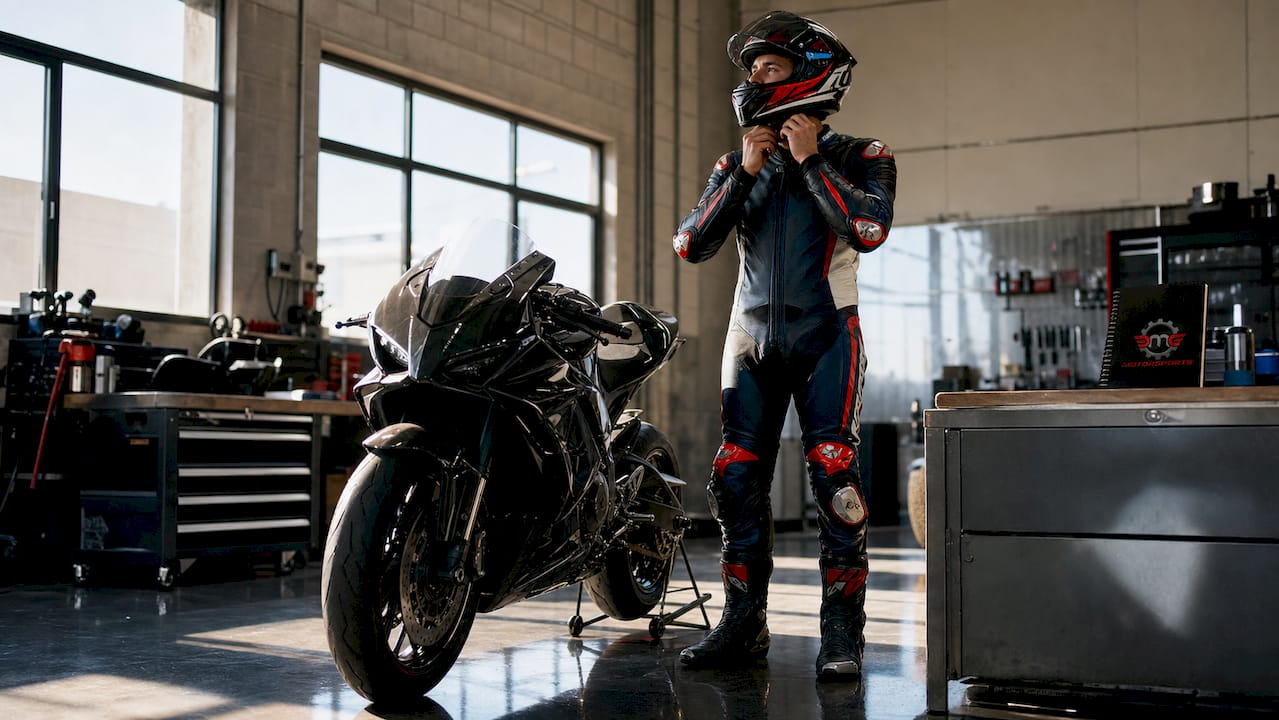
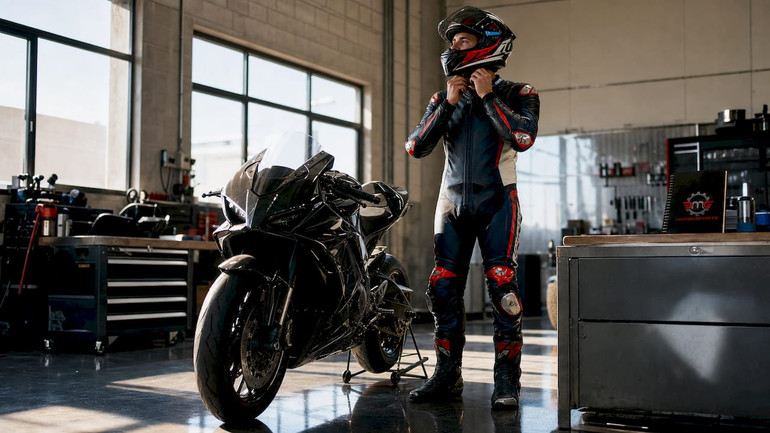
Race-replica motorcycle gear is defined as apparel crafted to mirror the look and performance features of professional racing suits, built for riders who want serious protection without a full factory race contract. This is the industry’s answer to “what is race-replica motorcycle gear” for the rest of us who ride hard but still need to make it home for dinner. Think pre-curved panels, CE-certified armor, reinforced seams, and aerodynamic styling lifted straight from the MotoGP paddock. You get the look of a factory rider and the protection to back it up, at a price point that won’t require selling a kidney.
What features distinguish race-replica gear from standard motorcycle gear?
Race-replica gear is not just a regular jacket with racing stripes slapped on. The construction is fundamentally different from standard street gear, and those differences matter when things go sideways at speed.
The most defining feature is the pre-curved sleeve design. Race-replica suits use pre-curved sleeves and torso seaming to match a professional race posture, meaning the suit is literally shaped for a tucked, aggressive riding angle. Standard street jackets are cut for an upright riding position, so when you lean forward on a sportbike, they bunch up, restrict movement, and pull at the collar. A race-replica suit moves with you instead of fighting you.
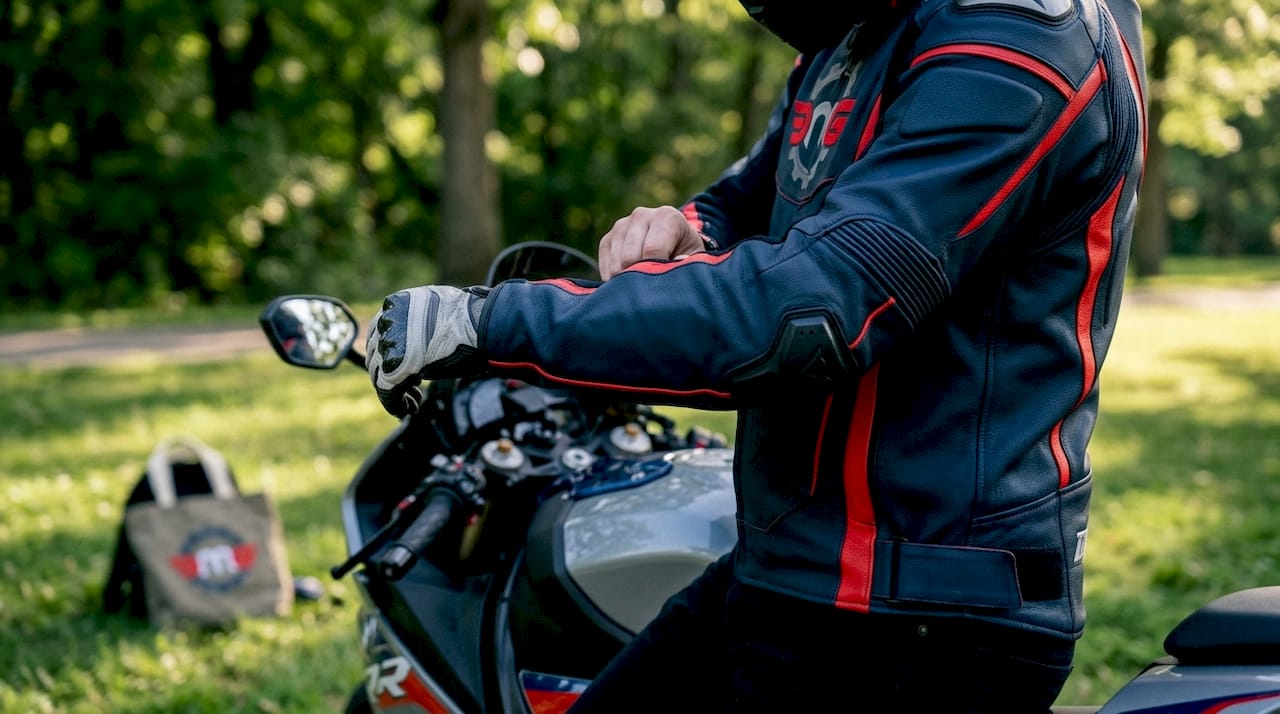
Material choices also separate the two categories. Quality race-replica suits use cowhide or kangaroo leather, both of which offer high tear strength and abrasion resistance. Entry-level street gear often uses polyester blends or lighter leathers that prioritize everyday comfort over crash performance. The seam construction follows the same logic: race-replica gear features double or triple stitching at high-stress points, while standard gear may use single-pass seams that can split under impact.
Here is what to look for in the construction of race-replica motorcycle apparel:
- Pre-curved sleeves and torso panels shaped for aggressive riding posture
- CE-certified armor at shoulders, elbows, knees, and back for rated impact protection
- Double or triple stitching at seams to resist splitting during abrasion
- Aerodynamic race hump on the back for stability at speed and additional padding
- Replaceable sliders at knees and elbows to manage abrasion and extend gear life
- Stretch panels at joints for mobility without sacrificing protection
- Ventilation channels to manage heat during track sessions
One detail riders often overlook is the race hump. The aerodynamic hump on race suits improves rider stability at speed and houses additional back protection. Quality replicas carry this feature over from the real thing, so it is functional, not just decorative.
Pro Tip: Try your race-replica jacket on while sitting in your riding position, not standing upright in a store. If the collar pulls away from your neck or the sleeves ride up, the fit is wrong for your bike.
How does race-replica motorcycle gear enhance rider safety and performance?
The safety case for race-inspired motorcycle outfits is not just about looking fast. The design directly improves how well the gear protects you and how comfortably you can ride at the limit.
Here is how the key safety and performance features work together:
-
CE armor placement. CE-certified armor at shoulders, elbows, knees, and back provides rated impact protection in the zones most likely to hit the ground first. CE Level 1 armor meets the baseline standard; CE Level 2 armor absorbs significantly more impact energy. Knowing which level your gear carries tells you exactly how much protection you are buying.
-
Replaceable sliders. Replaceable sliders and reinforced zones extend gear lifespan and maintain functionality after abrasion. When you slide across asphalt, the slider takes the damage instead of the suit. You replace a $20 slider instead of a $600 suit.
-
Aerodynamic design. The race hump and body-hugging cut reduce drag and rider fatigue at highway and track speeds. Less wind resistance means less physical effort to hold your position, which keeps you sharper for longer.
-
Ergonomic fit. Fit is critical in race-replica gear to reduce rider fatigue and distraction. A suit that fits correctly stays in place during hard braking and cornering, so your armor stays over the joints it is meant to protect.
-
Airbag system compatibility. Top-tier racing gear now integrates electronic airbag systems like the Alpinestars Tech-Air 10 Race Airbag System, which protects shoulders, chest, torso, and hips. Many quality race-replica suits are designed to accommodate these systems, making them a genuine upgrade path for serious riders.
The ergonomic angle is worth dwelling on. When your suit fits the way it was designed to fit, you stop thinking about it. That mental bandwidth goes back to reading the road, managing your lines, and reacting to hazards. Gear that distracts you is gear that puts you at risk. Check out the safety math on why proper gear pays off in ways most riders never calculate.
Pro Tip: Always test your full gear system together. Put on your suit, then add your gloves and boots. The cuffs and closures should overlap cleanly with no gaps. Gaps are where road rash finds you.
What are the differences between authentic race suits and race-replica gear?
This is where riders get confused, and the confusion can cost you money or put you in the wrong gear for your riding context. Authentic race suits and race-replica gear serve different riders with different needs.
Authentic suits are built to professional race standards set by bodies like the FIM (Fédération Internationale de Motocyclisme) and FIA. They use advanced materials, fully integrated electronic airbag systems, and construction methods that meet race-legal certification requirements. They are also priced accordingly, often running into thousands of dollars for a single suit.
Official racing apparel uses high-grade synthetics and premium leathers with reinforced seams, while replicas use polyester blends and lighter leathers aimed at comfort and cost savings. That is not a knock on replicas. It is a design choice that makes them better suited for street riding and occasional track days, where full race certification is not required.
Replicas use more affordable materials and simpler build methods, such as heat-applied logos instead of embroidery, resulting in lower price points but less durability than official gear. For a rider doing six track days a year, that trade-off makes complete sense.
| Feature | Authentic race suit | Race-replica gear |
|---|---|---|
| Safety certification | FIM/FIA race-legal | CE-rated armor, street legal |
| Primary material | Premium kangaroo leather, advanced synthetics | Cowhide leather, polyester blends |
| Airbag integration | Fully integrated electronic systems | Compatible with aftermarket systems |
| Seam construction | Race-spec multi-layer stitching | Double/triple stitched reinforcement |
| Intended use | Professional racing circuits | Street riding, track days |
| Price range | High (professional grade) | Mid-range (enthusiast grade) |
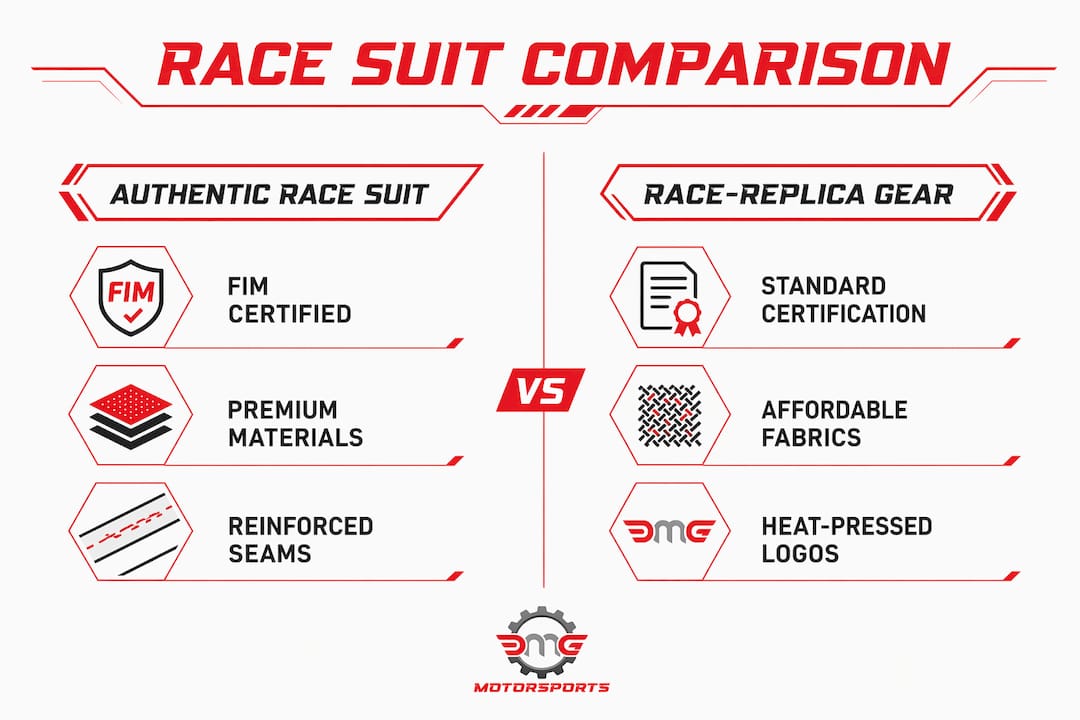
The bottom line is simple. If you race competitively and your sanctioning body requires certified gear, you need an authentic suit. If you ride hard on the street and hit track days for fun, race-replica gear gives you the protection and style you need without the professional price tag.
How should riders choose the best race-replica motorcycle gear?
Choosing the right race-replica gear comes down to matching the gear to how you actually ride, not how you imagine you ride. Be honest with yourself about your use case.
- Define your riding context. Street riders need gear that handles daily commuting comfort alongside crash protection. Track-day riders need better ventilation, tighter fit, and higher-grade armor. Know which category you fall into before you shop.
- Prioritize fit above everything else. The best gear allows riders to maintain focus without distraction, and fit is the foundation of that. A suit that is too large will shift during a crash and leave your armor in the wrong place.
- Check CE certification levels. Look for CE Level 1 or Level 2 armor at shoulders, elbows, knees, and back. Understand what level you are buying and what it means for impact absorption.
- Evaluate material grade. Cowhide leather is the standard for quality race-replica suits. Kangaroo leather offers a higher strength-to-weight ratio. Textile suits with high-denier fabrics work for mixed-use riders who need weather versatility.
- Look for replaceable sliders. Gear with replaceable knee and elbow sliders is a smarter long-term investment. You extend the suit’s life without replacing the whole thing after a low-side.
- Check ventilation. Track riding generates serious heat. Look for perforated leather panels or zip-open vents that let air flow without compromising structure.
- Test system compatibility. Try your suit with your gloves and racing boots before you buy. The cuffs should connect cleanly. Gaps between components are gaps in your protection.
- Buy from trusted retailers. Gear quality varies widely. A reputable source carries brands with verified CE certifications and accurate sizing guides.
The breathability of your gear matters more than most riders admit. Overheating on track is a real performance and safety issue, not just a comfort complaint.
Key Takeaways
Race-replica motorcycle gear delivers professional race aesthetics and meaningful safety upgrades over standard street gear, making it the smart choice for sportbike riders who ride hard on the street or at track days.
| Point | Details |
|---|---|
| Pre-curved construction | Race-replica suits are shaped for aggressive riding posture, not upright street riding. |
| CE armor is non-negotiable | Look for CE Level 1 or Level 2 armor at shoulders, elbows, knees, and back. |
| Replicas differ from authentic suits | Authentic suits meet FIM/FIA race standards; replicas are built for street and track-day use. |
| Fit drives safety | A poorly fitting suit shifts during a crash and leaves armor out of position. |
| Replaceable sliders extend gear life | Sliders absorb abrasion damage so the suit itself stays intact longer. |
Bryan’s take: why race-replica gear is the smartest buy for serious sportbike riders
Here is the thing nobody tells you when you are standing in a gear shop staring at price tags. The gap between a quality race-replica suit and an authentic race suit is not just about money. It is about what you actually need for the riding you actually do.
I have seen riders drop serious cash on full professional-spec suits for weekend track days where the rules do not even require them. That money would have been better spent on a quality replica with CE Level 2 armor and a compatible airbag vest. You get more protection for your actual use case, not a certification badge for a race series you are not competing in.
The riders who get the most out of race-replica gear are the ones who treat it as a system. Suit, gloves, and boots need to work together. The cuffs need to overlap. The armor needs to stay put when you are tucked at 120 mph. That is where fit and system compatibility matter more than the brand name on the chest.
My honest advice: buy the best CE-rated replica you can afford, try it on in your riding position, and test it with your full kit before you commit. Branding is a bonus. Protection is the point. Dmgmotorsports carries gear that checks those boxes without making you feel like you need a factory sponsorship to afford it.
— Bryan
Gear up with Dmgmotorsports
Dmgmotorsports stocks a wide selection of race-replica motorcycle gear built for riders who take protection seriously without taking themselves too seriously. Whether you are gearing up for your first track day or upgrading a worn-out suit, the catalog covers CE-certified options across leather and textile builds, with sizing guides and expert support to help you get the fit right the first time.
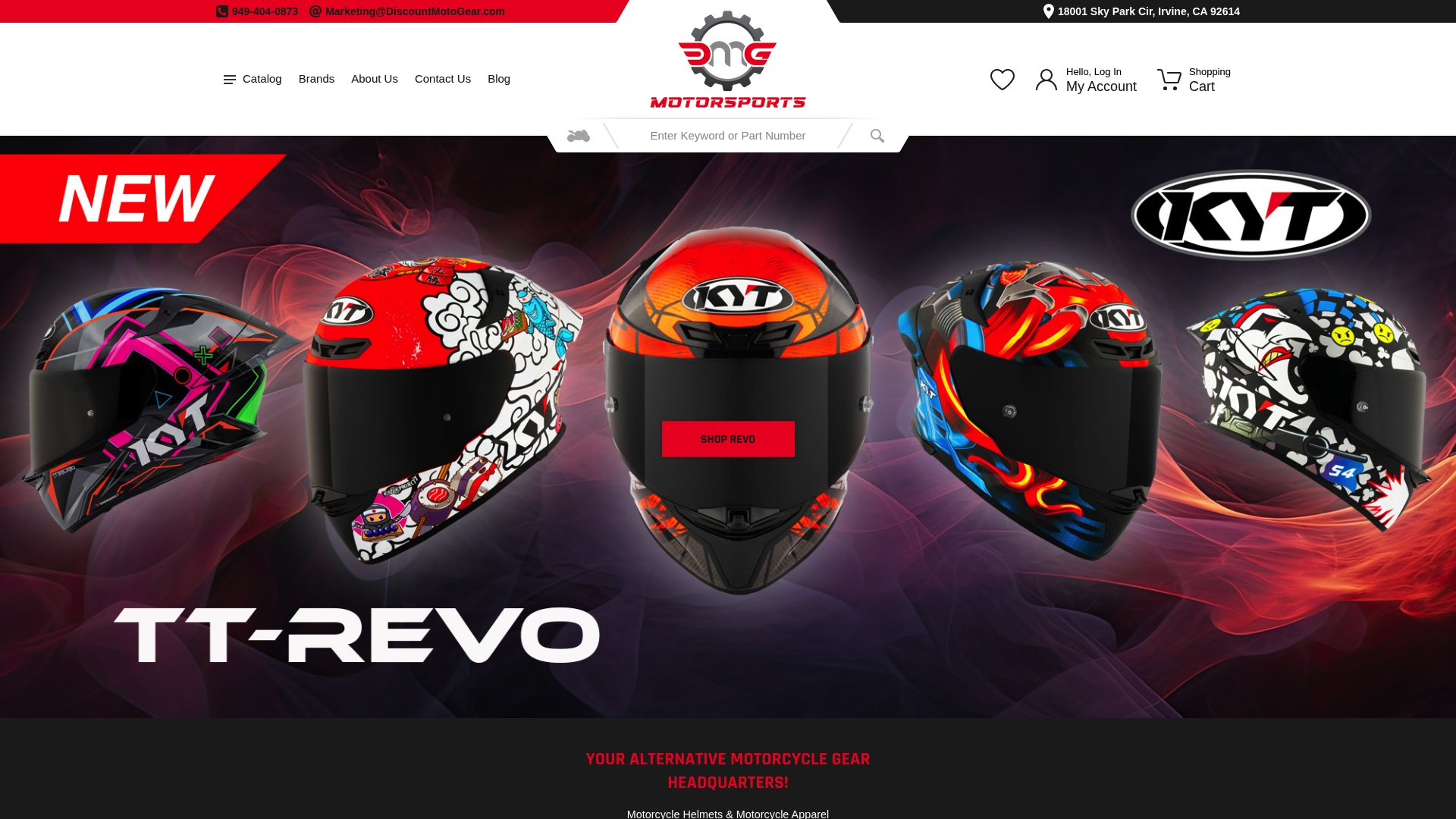
Every piece in the Dmgmotorsports lineup is sourced from brands with verified safety certifications and real-world track testing behind them. You get the style of the paddock and the protection your riding deserves. Browse the full motorcycle apparel collection and find gear that fits your riding, your budget, and your need to look absolutely dialed in every time you throw a leg over the bike.
FAQ
What is race-replica motorcycle gear?
Race-replica motorcycle gear is apparel designed to replicate the look and key protective features of professional racing suits, built for street riders and track-day enthusiasts rather than competitive racers.
Is race-replica gear safe for track days?
Yes. Quality race-replica gear with CE-certified armor at shoulders, elbows, knees, and back meets the protection requirements for most track-day events and provides meaningful crash protection.
How does race-replica gear differ from a standard motorcycle jacket?
Race-replica suits use pre-curved construction for aggressive riding posture, higher-grade materials, reinforced seams, and CE-rated armor, while standard jackets prioritize upright comfort and everyday wearability.
Can I add an airbag system to a race-replica suit?
Many quality race-replica suits are compatible with aftermarket electronic airbag systems like the Alpinestars Tech-Air 10, which adds protection for shoulders, chest, torso, and hips without requiring a full professional suit.
What should I prioritize when choosing race-replica gear?
Prioritize fit first, then CE armor certification level, then material grade. A suit that fits correctly keeps armor in position during a crash, which is the single most important factor in protection.