
Motorcycle Poker Run Explained: Your 2026 Rider’s Guide
A motorcycle poker run is an organized, non-competitive group ride where participants collect one playing card at each of five to seven designated checkpoints, then compete for prizes based on the best five-card poker hand at the finish. No racing. No lap times. Just miles, scenery, and the sweet suspense of flipping cards. Standard routes cover 50–100 miles with checkpoints spaced 10–20 miles apart, and events typically wrap up in 3–5 hours. With over 10,000 poker runs held annually across the United States as of 2026, this is one of the most popular community riding formats in the country.
What is a motorcycle poker run, and how does it work?
A poker run is part road trip, part card game, and entirely a good time. The format is simple enough that a brand-new rider can jump in without feeling lost, yet social enough that veterans keep coming back every season.
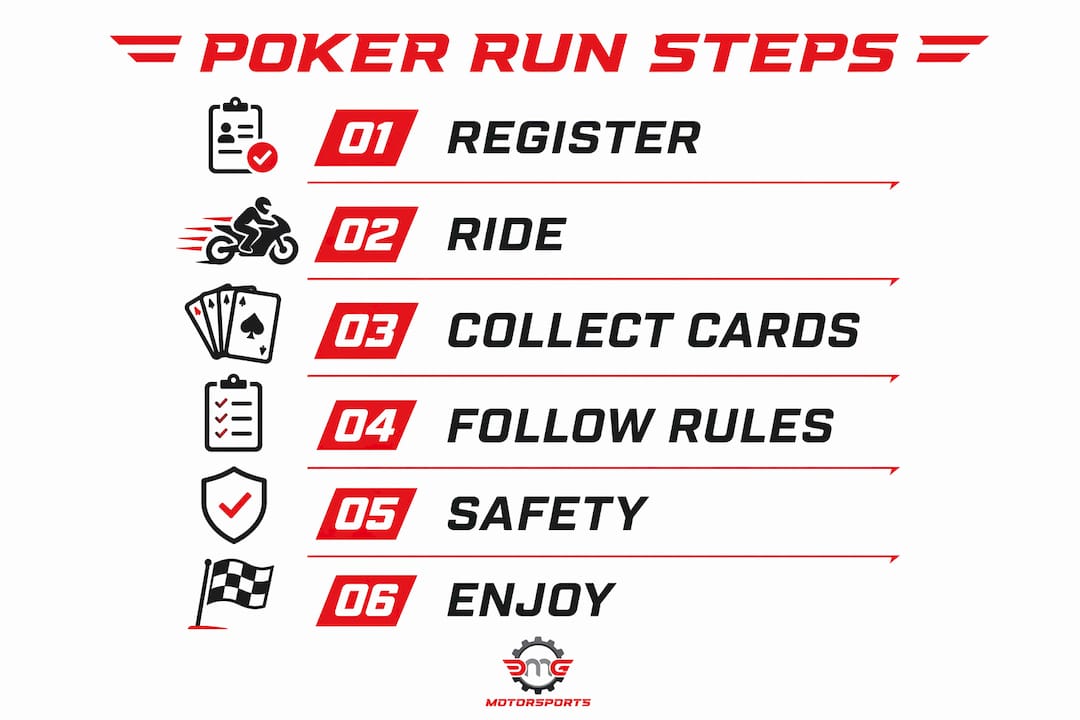
Here is how a typical event flows from start to finish:
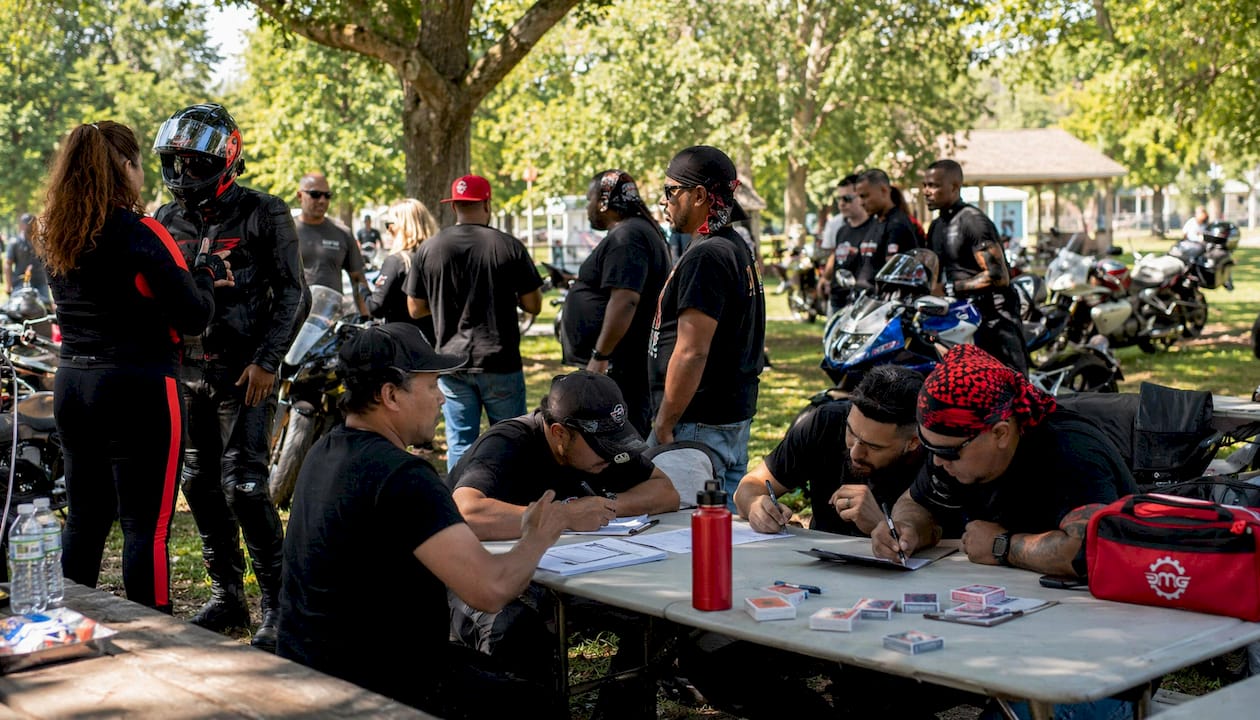
- Registration. You pay an entry fee at the starting point, which covers your ride participation and a scorecard. The fee often goes toward a prize pool or a charity fund.
- Route briefing. Organizers hand out a marked map or GPS route showing each checkpoint. You ride at your own pace with no pressure to race anyone.
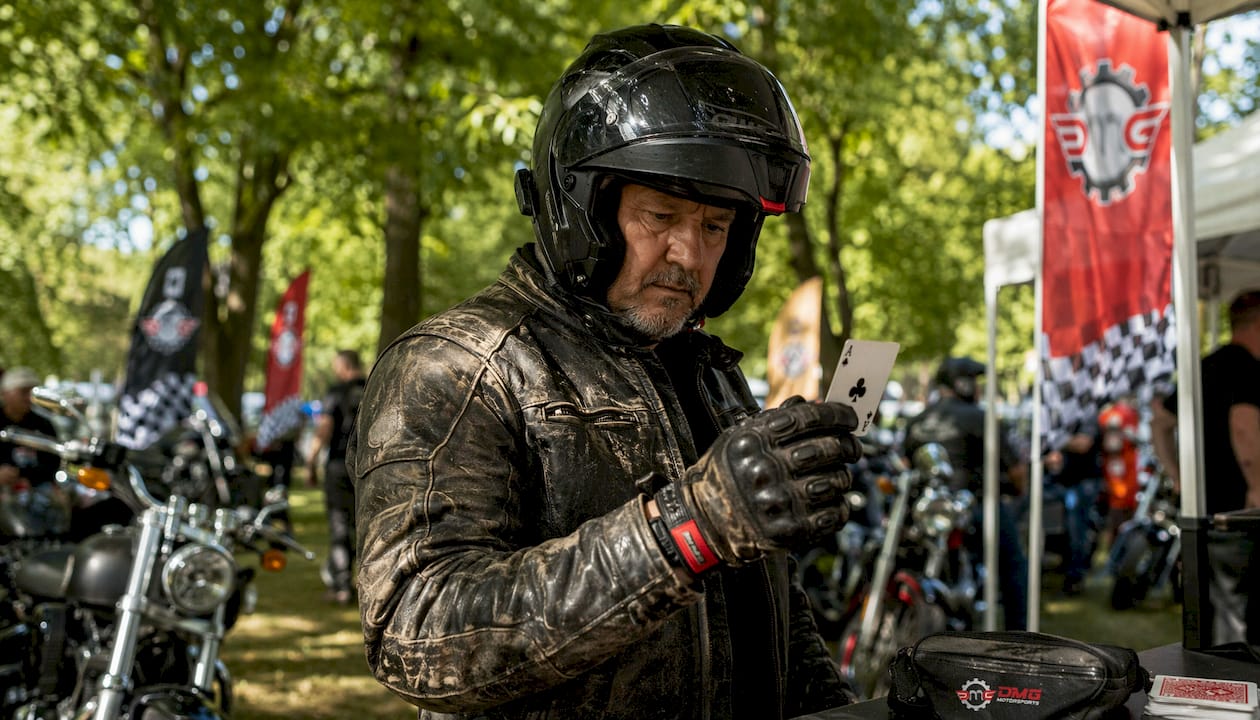
- Card collection. At each checkpoint, a volunteer draws one card from a shuffled deck and records it on your scorecard. You have no control over which card you get. That is the whole point.
- Riding between stops. Checkpoints sit 10–20 miles apart, so you get real riding time between each one. Enjoy the road. That is what you came for.
- Final gathering. Everyone meets at the last stop or a designated venue. Scorecards are compared, and winning is purely luck-based, not riding skill. Standard poker hand rankings decide the winner, with suit rankings (spades highest) breaking any ties.
- Prizes and celebration. The rider with the best hand wins the top prize. Many events also award the worst hand, because honestly, losing in style deserves recognition too.
Pro Tip: Arrive at registration early. The first checkpoint lines move fast, and getting ahead of the pack means more breathing room on the road.
The non-competitive structure is the secret ingredient. You are not trying to beat anyone to the next stop. Rushing actually defeats the purpose, since poker runs are designed for slow, safe riding and community enjoyment. Think of it as the anti-race: the tortoise wins every time, as long as the tortoise draws a royal flush.
What are the common rules and safety protocols for poker runs?
Poker runs run on a clear set of rules that keep everyone safe, legal, and having fun. Knowing them before you show up makes the whole day smoother.
Eligibility and documentation:
- A valid motorcycle license is required at registration.
- Proof of insurance must be presented before you ride.
- Helmet use follows state law at minimum, though most organizers strongly recommend full helmet use regardless of local requirements.
On-road conduct:
- No alcohol is permitted during the ride itself. The post-ride social gathering is a different story, but the road stays sober.
- Riders travel in staggered groups of 10–15 to reduce congestion and improve visibility. This is not optional etiquette; it is a core safety practice.
- Speeds stay legal and comfortable. Nobody is timing you.
Sweep riders:
- A sweep rider is the last person on the route, responsible for making sure no one gets stranded. They assist with mechanical issues and check that every participant makes it to the finish.
- Not all events provide a sweep rider, so confirm this detail before you register. If there is no sweep, pair up with a buddy who can help if something goes sideways.
Pro Tip: Pack a basic toolkit and a tire plug kit. Even with a sweep rider on duty, being self-sufficient on the road is always the smarter play. Check out proper motorcycle gear before your first run.
The staggered formation rule deserves extra attention. It directly addresses what experienced riders call the “accordion effect,” where traffic bunches up at stops and then stretches out chaotically when everyone leaves at once. Staggered departures keep the group flowing like a well-oiled machine instead of a confused parking lot.
What makes motorcycle poker runs special socially and charitably?
The poker hand is really just a reason to get everyone in the same place. The actual magic of a poker run is what happens between the cards.
- Charity at the core. Most poker runs support a cause. Veterans’ organizations, children’s hospitals, and local community groups are the most common beneficiaries. The poker run format is a social catalyst for charity fundraising, not a competitive contest.
- Zero gatekeeping. Cruisers, sport bikes, adventure bikes, and vintage machines all line up together. Beginner riders and 30-year veterans share the same checkpoints. The event is genuinely inclusive.
- Scenic routes by design. Organizers pick routes for their beauty, not their speed. You will likely see roads you have never ridden before.
- Food, swag, and good company. Final gatherings almost always include food, raffle prizes, and vendor booths. The post-ride social is where friendships actually form.
- Low-pressure fun. Since the winner is chosen by luck, nobody feels outclassed. A first-time rider on a 250cc bike has exactly the same shot at the top prize as a seasoned rider on a custom build.
“The camaraderie is the true value of a poker run. The cards are just the excuse to get everyone together on two wheels, riding for something bigger than themselves.”
This community spirit is why poker runs keep growing. They fill a gap that pure racing events cannot: a space where riding is the reward, not just the vehicle for competition.
What should new riders know before joining a poker run?
First-timers often show up with the wrong mental model. They expect something competitive or complicated. The reality is far more relaxed, but a little preparation goes a long way.
Key things to know before you go:
- Luck decides everything. You cannot practice your way to a better hand. Relax and enjoy the ride.
- The accordion effect is real. Staggered departures in groups of 10–15 prevent the chaotic bunching that happens when everyone leaves a checkpoint at once. Follow the group leader’s cues.
- Weather changes plans. Weather is the top external factor affecting event schedules, so check the event’s social media or website the morning of the ride. Bring weather-ready riding gear just in case.
- Confirm sweep rider availability. Ask the organizer directly. If no sweep is assigned, ride with someone you trust.
- Dress for the full day. You will be outside for 3–5 hours. Layers, gloves, and a jacket that handles wind are not optional.
Here is a quick gear checklist for first-time poker run participants:
| Gear Item | Why It Matters |
|---|---|
| Full-face or modular helmet | Head protection on group rides is non-negotiable |
| Riding jacket with armor | Protects against wind fatigue and road rash |
| Gloves | Grip and hand protection over long distances |
| Riding boots | Ankle support during frequent checkpoint stops |
| Hydration and snacks | 3–5 hours on the road burns energy fast |
The final social gathering is also part of the event, not just an afterthought. Plan to stay. That is where you meet the people you will ride with next time, swap stories about the route, and find out who drew the worst hand of the day. Spoiler: that person usually gets a prize too.
Pro Tip: New to group riding? Read up on beginner motorcycle accessories before your first poker run. The right gear makes a 50-mile group ride feel like a victory lap.
Key Takeaways
A motorcycle poker run is a non-competitive, charity-friendly group ride where luck, community, and good roads matter far more than riding skill or speed.
| Point | Details |
|---|---|
| Core format | Riders collect one card at each of 5–7 checkpoints; best poker hand wins prizes. |
| Safety first | Staggered groups of 10–15 riders and a sweep rider keep the event safe for everyone. |
| Luck, not skill | Winning is entirely random; no riding ability affects the outcome. |
| Community and charity | Most events support veterans, children’s causes, or local organizations. |
| New rider friendly | Any bike type and experience level is welcome; preparation beats anxiety every time. |
Why poker runs are worth every mile, win or lose
Honestly, I have seen riders show up to poker runs expecting some kind of underground street race with a card game bolted on. They leave confused in the best possible way. The event is slower, warmer, and more human than they imagined.
The biggest misconception I keep running into is that poker runs are for a certain type of rider. The leather-clad, chrome-heavy crowd. The truth is the opposite. I have watched a nervous new rider on a stock 300cc bike have the time of their life at an event packed with custom builds worth more than most cars. Nobody cared what she was riding. They cared that she showed up.
The charitable angle also gets underestimated. These events raise real money for real causes. Veterans’ groups, pediatric hospitals, and local food banks have all benefited from what is essentially a bunch of people having fun on motorcycles. That combination of joy and purpose is rare, and poker runs deliver it consistently.
My honest advice: stop overthinking the card strategy (there is none) and start thinking about the ride itself. Pick a poker run that covers roads you have never seen. Show up early, talk to strangers, and stay for the food at the end. The cards are just the excuse. The road is the point.
— Bryan
Gear up for your next poker run with Dmgmotorsports
Ready to roll? Dmgmotorsports has everything you need to show up prepared, protected, and looking like you belong on that road.
Whether you are gearing up for your first poker run or your fiftieth, Dmgmotorsports carries premium helmets, riding jackets, gloves, boots, and accessories from the top brands in the industry. The right gear does not just keep you safe. It makes every mile more enjoyable. Browse the full catalog at Dmgmotorsports and find exactly what your next ride needs, from checkpoint one to the final card reveal.
FAQ
What is a motorcycle poker run in simple terms?
A motorcycle poker run is an organized group ride where participants stop at 5–7 checkpoints to collect playing cards, then compete for prizes based on who holds the best poker hand at the end.
How long does a typical poker run last?
Most poker runs cover 50–100 miles and take 3–5 hours to complete, with checkpoints spaced 10–20 miles apart along a marked or GPS-guided route.
Do you need poker knowledge to participate?
No poker skill is required. Card draws are random, and winners are determined purely by luck. Basic knowledge of poker hand rankings helps you read your scorecard, but nothing more.
What safety rules apply during a motorcycle poker run?
Riders must carry a valid motorcycle license and proof of insurance. No alcohol is permitted during the ride, and groups travel in staggered formations of 10–15 riders to maintain safe spacing.
What is the difference between a poker run and a toy run?
A motorcycle toy run event focuses on collecting donated toys or goods for charity, with no card game involved. A poker run combines a group ride with a card-collecting competition, though both events share a strong charitable and community focus.