

Motorcycle Jacket Fit Sizing Explained for Riders
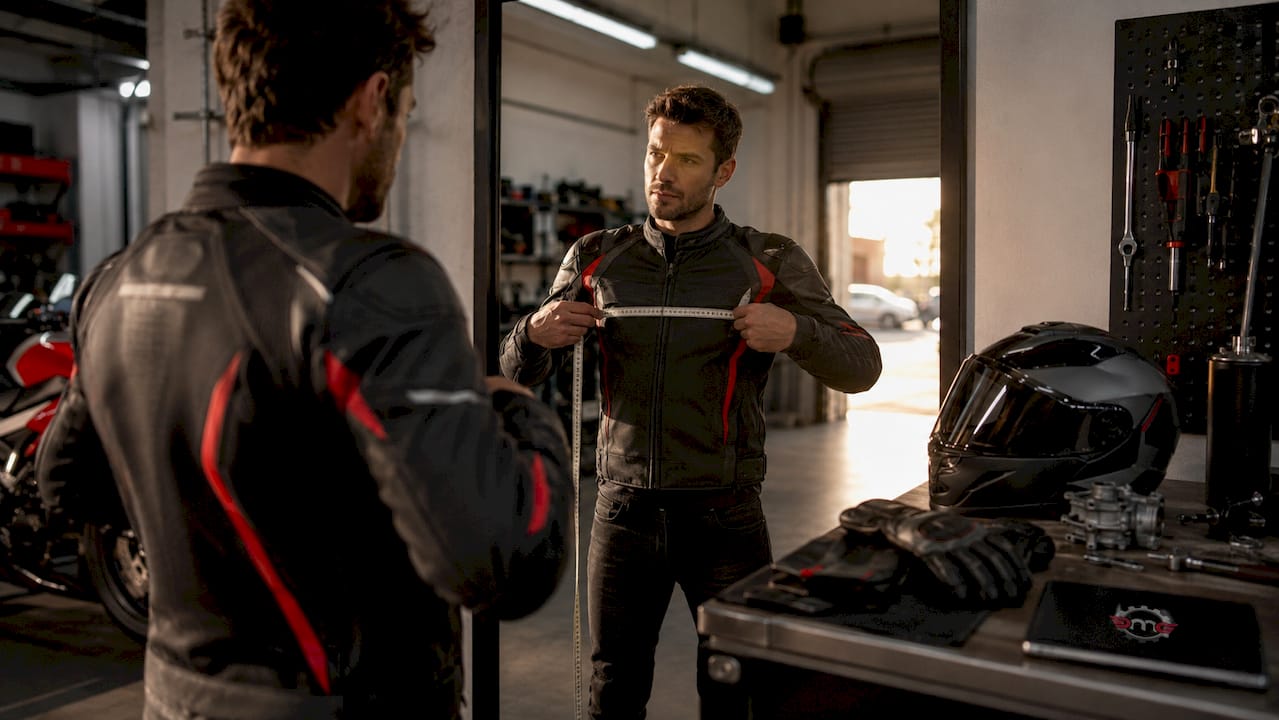
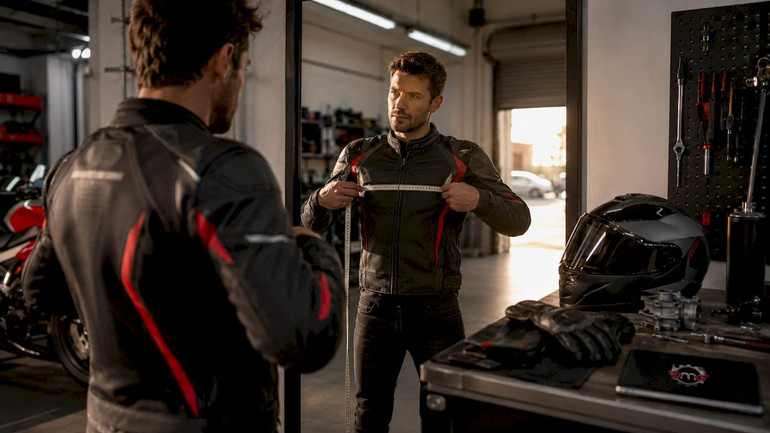
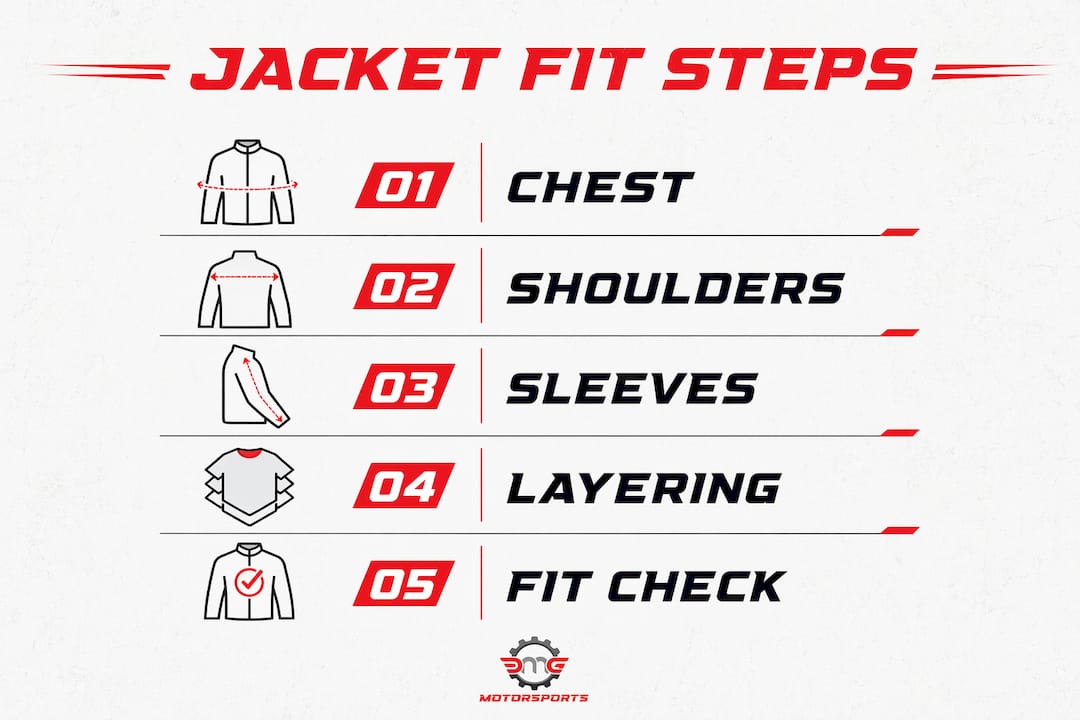
Motorcycle jacket fit sizing explained in one sentence: a jacket fits correctly when it holds all armor in the right position, covers your wrists with arms extended, and lets you breathe and move without restriction. That is not a style preference. That is a safety requirement. The three measurements that determine everything are chest circumference, shoulder width, and sleeve length. Get those right, and the rest of the fitting process falls into place. Miss them, and your CE-rated armor ends up sitting over your ribs instead of your elbows when you actually need it. This guide walks you through every measurement, fit check, and sizing adjustment you need to get it right the first time.
How to measure for a motorcycle jacket correctly
Measuring yourself accurately is the single most important step in the entire fitting process. A tape measure and five minutes will save you from returning three jackets.
Chest circumference is your primary measurement. Wrap a flexible tape measure around the fullest part of your chest, just under your armpits. The tape should sit flat and level. Leave approximately one finger of clearance between the tape and your body. That gap represents breathing room and the snugness standard a finished jacket should replicate.
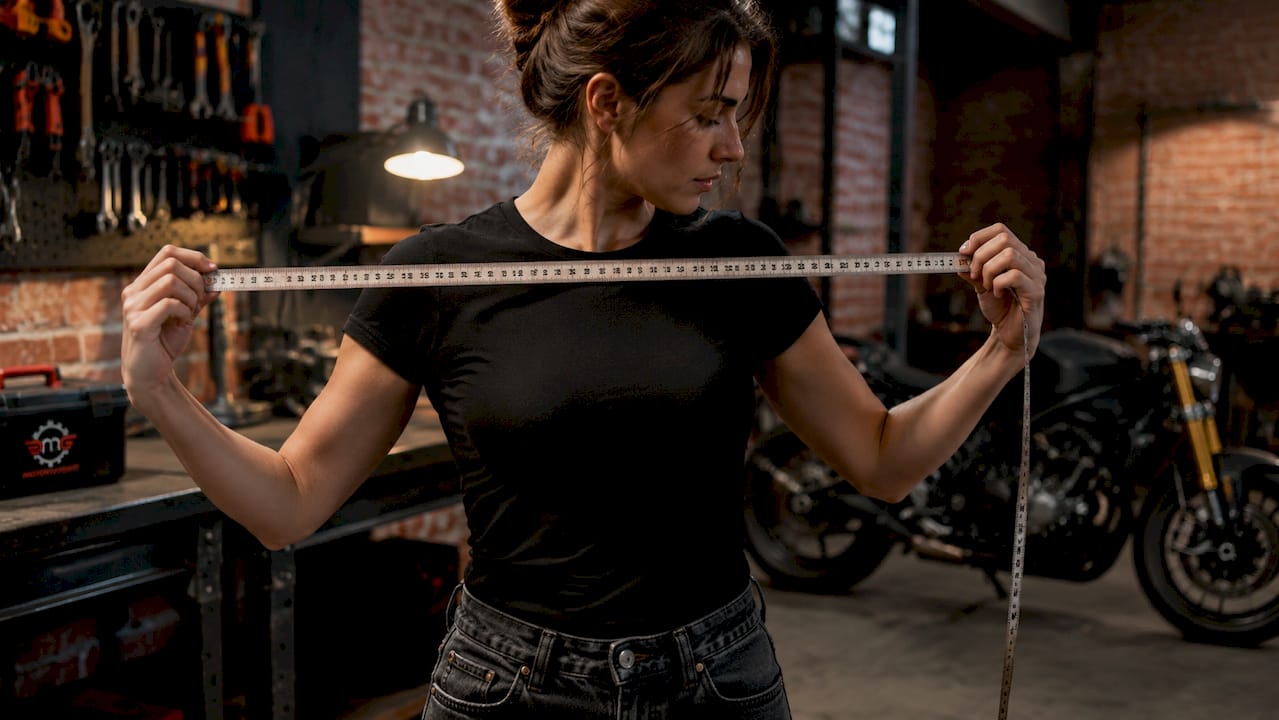
Shoulder width is the measurement most riders skip, and it is the one that kills a jacket purchase. Stand against a wall, mark the outer edge of each shoulder tip, then measure between the two marks. Across-shoulder measurement is the hardest dimension to alter on a finished jacket. If the shoulder seam sits off your actual shoulder, no amount of adjustment will fix the fit.
Sleeve length needs to be measured in riding position, not standing straight. Extend your arms forward as if gripping handlebars. Measure from the shoulder seam point to your wrist bone. Sleeves that fit standing up often fall short when you reach for the bars, leaving a cold gap between cuff and glove.
Pro Tip: Measure wearing the base layer you actually ride in. A thermal mid-layer adds real volume, and measuring over a T-shirt will give you a number that is too small.
Here is a quick reference for the measurements you need:
| Measurement | How to take it | Why it matters |
|---|---|---|
| Chest circumference | Tape under armpits, fullest point | Primary sizing number for most jackets |
| Shoulder width | Mark shoulder tips on wall, measure between | Determines wearability; cannot be altered |
| Sleeve length (riding) | Shoulder to wrist with arms extended forward | Prevents gaps between cuff and glove |
| Waist | Tape at natural waist, relaxed | Relevant for textile and women-specific fits |
| Hip circumference | Tape at widest hip point | Needed for longer touring and adventure jackets |
What does a proper motorcycle jacket fit actually feel like?
A properly fitting jacket feels snug across the chest and shoulders without pinching. You should be able to take a full breath, but the jacket should not balloon away from your torso when you lean forward. That snugness is what keeps armor aligned with your elbows, shoulders, and back during a slide.
Fit types: American, European, and Race
Jacket fit varies by style: American fit offers more room through the chest and torso, European fit runs slimmer and more tailored, and Race fit is the tightest, designed for aerodynamics on a sport bike. Your riding style should drive this choice. A touring rider logging 500-mile days wants the comfort margin of an American fit. A track-day regular benefits from the locked-in feel of a Race cut.
Key fit checks every rider should run
Before you commit to a jacket, run through this checklist:
- Shoulder seams: The seam should sit exactly at the edge of your shoulder bone. If it drops down your arm, the jacket is too big. If it pulls toward your neck, it is too small.
- Sleeve length: With arms extended forward, sleeves should cover wrists fully to eliminate gaps between sleeve and glove. Wind ingress at speed is genuinely miserable.
- Chest and torso: Zip the jacket fully. You should feel light compression, not a squeeze. If you cannot zip it without sucking in, size up.
- Elbow and shoulder armor position: Check that the armor pads sit directly over your joints, not above or below them.
- Cuff overlap: The jacket cuff should overlap your glove gauntlet by at least an inch in riding position.
Pro Tip: Always check fit while sitting on your motorcycle or mimicking the riding crouch. A jacket that feels perfect standing in a store can ride up and expose your lower back the moment you lean over the bars.
Common mistakes include sizing up to get more comfort room and sizing down thinking the jacket will stretch. Neither works. Too large means armor shifts on impact. Too small means restricted movement and fatigue on long rides.
How jacket style, layering, and safety tech affect your size choice
Jacket type changes the sizing math. A summer mesh jacket worn over a T-shirt needs a different size than a four-season touring jacket worn over a fleece mid-layer. For touring and adventure jackets, add 2–4 cm to your chest measurement if you plan to layer underneath. That extra room keeps the jacket from compressing your mid-layer and restricting your breathing on cold-weather rides.
Leather and textile jackets behave differently. Quality leather jackets do not stretch, but they do soften and mold to your body over time. That means a leather jacket should feel firm on day one. Sizing up to compensate for initial stiffness is a mistake. You will end up with a jacket that is too large after the break-in period, and armor will shift. Textile jackets have less break-in behavior, so the fit you feel in the store is closer to the fit you will always have.
Modern safety technology adds another layer to the sizing decision. Compatibility with airbag systems is critical; incorrect sizing can negate the effectiveness of integrated airbag systems like Tech-Air. An airbag vest worn under a jacket adds bulk. If you plan to run that setup, size accordingly or choose a jacket designed with airbag compatibility built in.
| Jacket type | Layering plan | Recommended size adjustment |
|---|---|---|
| Summer mesh | Base layer only | True to chest measurement |
| Sport or Race | Base layer only | True to chest; prioritize shoulder fit |
| Touring or Adventure | Mid-layer or fleece | Add 2–4 cm to chest measurement |
| Four-season textile | Heavy mid-layer | Add 4 cm or size up one full size |
| Leather | Base layer; breaks in over time | Firm fit at purchase; do not size up |
| Airbag-compatible | Airbag vest underneath | Check manufacturer’s airbag sizing guide |
Back protectors also affect fit. A CE Level 2 back protector adds thickness at the spine. If your jacket’s back pocket is tight with the protector inserted, the jacket is too small for that setup. Proper protective gear fit means every piece of armor sits flush and secure, not jammed in.
How to test jacket fit in real-world riding conditions
The fitting room is not the road. Testing a jacket properly means simulating the actual conditions you ride in.
- Wear your riding base layers. Pull on the thermal or moisture-wicking layer you actually use. Trying a jacket over a store T-shirt gives you a false reading.
- Sit on your motorcycle or simulate the crouch. Lean forward with arms extended. Check that the jacket does not ride up at the waist and that the sleeves still cover your wrists.
- Test all zippers and vents. Check zipper, vent, and adjuster functionality while in riding position. A vent that is easy to open standing up might be impossible to reach when you are tucked over the tank.
- Check the cuff-to-glove overlap. Put your gloves on. The jacket cuff should overlap the glove gauntlet cleanly. No gap, no bunching.
- Move your arms in every direction. Reach up, reach forward, cross your arms. You should feel resistance from the jacket only at the extremes of your range of motion, not during normal riding movements.
- Check the collar and neck area. The collar should sit close to your neck without chafing. A collar that gaps open funnels cold air directly down your chest.
Riders should always try jackets on with their base layers and, if possible, on their own motorcycle for the most realistic fit assessment. That advice sounds obvious, but most riders skip it and regret it. The right motorcycle gear only works when it stays in position during a ride, not just during a store visit.
Key Takeaways
Motorcycle jacket fit sizing comes down to three measurements, two fit checks, and one rule: never size up a leather jacket expecting it to stretch into shape.
| Point | Details |
|---|---|
| Shoulder width is non-negotiable | It cannot be altered; measure it accurately before buying any jacket. |
| Sleeve length in riding position | Extend arms forward when measuring; sleeves must cover wrists fully to block wind. |
| Layering adds chest volume | Add 2–4 cm to your chest measurement for touring jackets worn over mid-layers. |
| Leather firms up, not out | Quality leather molds to your body; buy it firm and let it break in naturally. |
| Airbag systems change sizing | Jackets worn over airbag vests need extra room; check manufacturer compatibility specs. |
Why shoulder fit is the detail most riders get wrong
Here is something I have noticed after years of watching riders pick jackets: almost everyone checks the chest first and the shoulders last. That order is backwards. The chest measurement gets you in the right size range. The shoulder measurement tells you whether the jacket will actually work on your body.
I have seen riders accept a jacket where the shoulder seam sits a full inch down their arm because the chest felt right. That misalignment means the shoulder armor is sitting over the upper arm, not the shoulder joint. In a crash, that is the difference between protected and not. The across-shoulder measurement is the deciding factor in leather jacket satisfaction, and it is the hardest dimension to fix after purchase.
The other pitfall I see constantly is riders buying leather jackets one size up because the jacket feels stiff in the store. Leather softens and molds over time. It does not shrink. A jacket that feels slightly firm on day one will feel broken in and perfectly shaped after a few months of riding. A jacket that feels roomy on day one will feel sloppy and unsafe after break-in. Buy it firm. Trust the process.
My honest advice: bring your gloves and your riding base layer to every jacket fitting. Simulate the riding crouch before you commit. Spend five extra minutes on the fit check, and you will not spend five weeks waiting on a return shipment.
— Bryan
Gear up right with Dmgmotorsports
Finding a jacket that fits correctly is half the battle. Finding one that fits correctly AND comes from a brand you can trust is the whole win.
Dmgmotorsports carries a wide selection of motorcycle jackets and riding gear from top industry brands, covering every riding style from sport to touring to adventure. Whether you need help reading a size chart, comparing fit types, or figuring out airbag compatibility, the team at Dmgmotorsports is ready to help you get it right. No guesswork, no returns, just gear that fits the way it should. Visit Dmgmotorsports and find your next jacket with confidence.
FAQ
What are the three key measurements for a motorcycle jacket?
Chest circumference, shoulder width, and sleeve length are the three measurements that determine jacket fit. Measure sleeve length with arms extended forward to replicate riding position.
Should I size up if a motorcycle jacket feels tight?
Size up only if the chest or torso is genuinely restrictive. Never size up a leather jacket to compensate for stiffness, since quality leather molds to your body over time and a roomy fit causes armor to shift.
How much extra room do I need for layering under a jacket?
Add 2–4 cm to your chest measurement when buying a touring or adventure jacket you plan to wear over a mid-layer or fleece. This keeps the jacket from compressing your underlayer and restricting movement.
Does airbag gear affect motorcycle jacket sizing?
Yes. An airbag vest worn under a jacket adds bulk at the chest and torso. Check the jacket manufacturer’s airbag compatibility specifications and size accordingly to keep the system effective.
How do I check sleeve length for riding?
Extend your arms forward as if gripping handlebars and check that the sleeve covers your wrist fully. The cuff should overlap your glove gauntlet by at least an inch to prevent wind ingress at speed.
Recommended
- How to Fit a Motorcycle Helmet for Performance and Comfort - DMG Motorsports
- The Sexy Math of Motorcycle Gear: Statistical Benefits of Dressing Like a Power Ranger - DMG Motorsports
- Staying Safe and Stylish on the Track: The Importance of Proper Motorcycle Gear - DMG Motorsports
- Motorcycle Gear Breathability: What Every Rider Must Know - DMG Motorsports