

Why Motorcycle Glove Palm Padding Matters for Riders
Palm padding in motorcycle gloves is a critical safety feature that protects your hands from impact injuries and reduces fatigue by absorbing handlebar vibrations on every ride. Your palms are the first thing that hits the ground when you go down. That’s not a guess. That’s physics, instinct, and gravity working together against you. Understanding why motorcycle glove palm padding matters could be the difference between walking away from a spill and spending weeks in hand surgery. So let’s talk about what’s actually inside those gloves and why it deserves way more credit than it gets.
Why does motorcycle glove palm padding matter?
Hands and palms consistently bear the brunt of abrasion and impact in falls, even at moderate speeds. Your brain triggers a protective reflex the moment you feel a fall coming. Your arms shoot out, your palms hit the pavement, and suddenly your bare skin is grinding against asphalt at speed. Without proper padding, that contact shreds skin, fractures small bones, and damages tendons in milliseconds.
Palm padding acts as a sacrificial layer. It absorbs the initial shock, spreads the force across a larger surface area, and gives the underlying bones and tissue a fighting chance. Think of it as the crumple zone in a car. You want it to take the hit so you don’t have to. This is the core reason proper motorcycle gear always includes quality gloves, not just helmets and jackets.
The importance of glove padding goes beyond crash protection, though. On every single ride, your palms manage grip pressure, absorb road feedback, and handle vibration from the engine and handlebars. Padding that works well in a crash also works hard during normal riding. That dual function is what separates a well-designed glove from a glorified fashion accessory.
How does palm padding protect against impact and abrasion?
The mechanics here are straightforward and worth knowing. When you slide across pavement, two things happen simultaneously: abrasion tears at the surface of your glove, and impact force drives into your palm bones and soft tissue. Good padding addresses both.
Abrasion resistance comes from the outer glove material, typically reinforced leather or synthetic composites, working in combination with the padding underneath. The padding keeps the outer layer from collapsing inward under pressure, which means the protective surface stays intact longer during a slide. A glove that collapses immediately offers almost no protection after the first fraction of a second.
Impact energy dispersion is where the padding material itself does the heavy lifting. Denser foams and structured padding zones compress under force and spread that energy outward rather than letting it drive straight into your metacarpals. Here’s what that means in plain terms: your hand bones are small and fragile. Spreading the force across a wider area dramatically reduces the chance of fracture.
Key features that make palm padding effective in crashes:
- Reinforced palm zones using layered leather or synthetic materials that resist tearing during slides
- Structured foam or gel inserts positioned over high-impact areas like the heel of the palm and the base of the thumb
- Seamless interior construction that prevents internal seams from digging into skin during impact
- Secure glove fit that keeps padding in position rather than shifting on impact
Pro Tip: Flex your fingers and grip an imaginary handlebar before buying gloves. If the padding bunches or shifts during that motion, it will move even more in a real crash.
Why is vibration damping from palm padding crucial for comfort and control?
Here’s the part most riders underestimate until their hands go numb on a four-hour highway stretch. Reinforced palm gloves absorb vibrations, reducing fatigue and improving rider focus on long rides. Engine vibration travels through the frame, up the forks, through the handlebars, and directly into your palms at a constant, relentless frequency. Over time, that vibration stresses the ulnar and median nerves running through your hands.
The result is tingling, numbness, and a gradual loss of fine motor control. You stop feeling the brake lever as precisely. Your throttle inputs get sloppy. You grip harder to compensate, which accelerates fatigue. This is not a comfort issue. It is a safety issue.
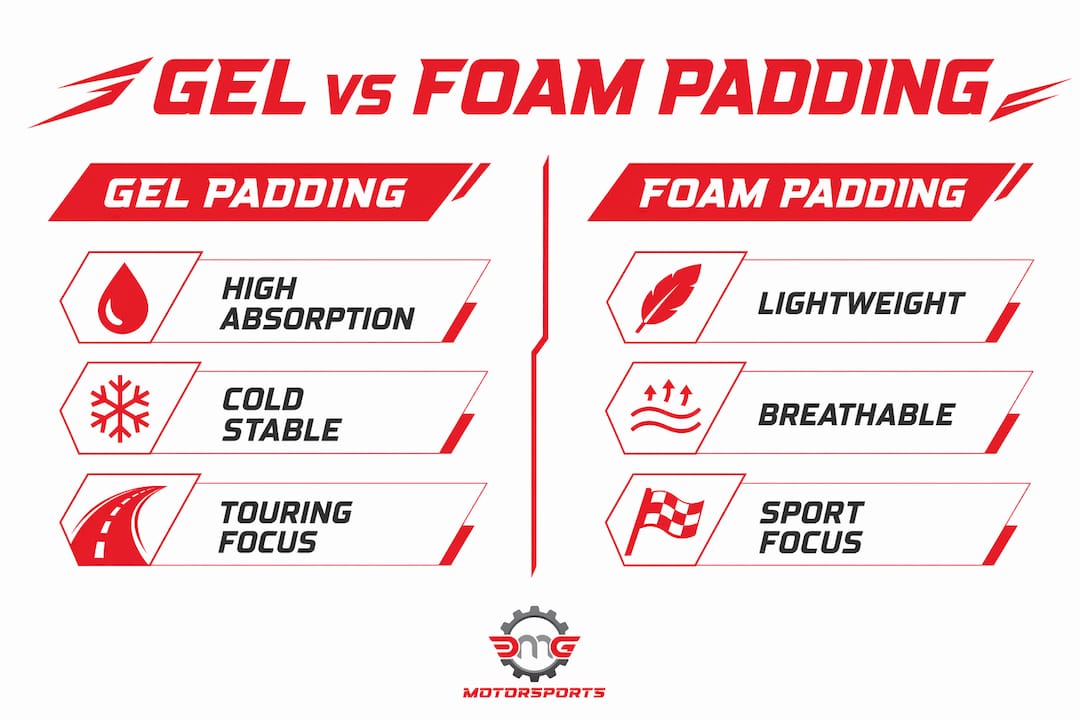
The material inside the padding determines how well it handles vibration. Gel-based padding absorbs up to 80% more vibration than standard foams. That gap is significant for anyone riding more than an hour at a stretch.
Gel vs. foam: what actually works better
| Feature | Gel padding | Foam padding |
|---|---|---|
| Vibration absorption | Significantly higher | Moderate |
| Temperature stability | Consistent across heat and cold | Can stiffen in cold weather |
| Bulk and weight | Slightly heavier | Lighter and thinner |
| Long-ride comfort | Superior for nerve protection | Better for short, spirited rides |
| Crash impact protection | Good, conforms to hand shape | Good, more structured feel |
Gel wins for touring and commuting. Foam wins for lightweight sport riding where tactile feedback matters more than vibration reduction. The best choice depends on how you ride, not just what looks good on the shelf.
Pro Tip: For long-distance rides, prioritize gloves with gel inserts in the heel of the palm and along the hypothenar eminence (the fleshy pad below your pinky). Those are the two zones that take the most vibration punishment.
How does palm padding contribute to pressure distribution and nerve protection?
Padding helps prevent nerve compression in the palm by distributing load over a larger surface area. Without that distribution, your body weight and grip force concentrate on small nerve pathways. The ulnar nerve runs along the outer edge of your palm. The median nerve runs through the center. Sustained pressure on either one causes what riders and cyclists call “handlebar palsy.” The symptoms range from annoying tingling to genuinely scary loss of grip strength.
Padding placement matters as much as padding thickness. A glove with thick foam in the wrong spot can actually create new pressure points rather than relieving existing ones. The goal is even load distribution across the entire palm contact area, not just cushioning the most obvious spots.
Common pressure-related problems that good padding prevents:
- Ulnar nerve compression causing numbness in the ring and pinky fingers
- Median nerve compression causing tingling in the thumb, index, and middle fingers
- Localized hot spots from seams or padding edges that dig in during long rides
- Grip fatigue from overcompensating when hands lose sensation
Padding must stay in place even when hands are sweaty to remain effective. A padding insert that migrates toward your fingers during a ride stops protecting your palm and starts creating new friction points. Glove fit is the variable that controls this. A glove that fits correctly keeps every padding zone exactly where the designer intended it to be.
The importance of glove fit applies to all protective gear, but it matters especially for gloves because your hands are constantly moving. Snug at the wrist, fitted through the palm, and with enough room in the fingers to flex without restriction is the target.
What design features optimize palm padding in different conditions?
Weather and sweat change everything about how padding performs. Sweat can cause padding to shift and reduce grip. That’s not a minor inconvenience. A padding insert that slides toward your fingers mid-ride leaves your palm unprotected and creates friction that causes blisters.
Breathable, moisture-wicking glove materials solve this problem by pulling sweat away from the palm surface before it saturates the padding. Perforated leather panels and mesh inserts on the back of the hand allow airflow that keeps the palm zone drier. Drier padding stays put. Padding that stays put protects consistently.
Design features that make padding work across conditions:
- Moisture-wicking liner materials that pull sweat away from the padding contact surface
- Perforated outer panels that promote airflow without compromising abrasion resistance
- Grip-enhancing palm surfaces using silicone prints or textured leather that maintain control even when wet
- Bonded padding construction where inserts are stitched or bonded to the glove interior rather than loosely inserted
Overly thick or poorly positioned padding reduces tactile feedback and makes grip feel unnatural. This is the design tightrope every glove maker walks. Too little padding and you lose protection. Too much and you lose the feel of the controls. The best gloves use zoned padding, thicker where protection is critical and thinner where finger sensitivity matters most.
Pro Tip: Test gloves in warm conditions or after a short ride when your hands are slightly sweaty. That’s when padding shift and grip issues reveal themselves. A glove that feels great in an air-conditioned store may perform very differently on a July afternoon.
Key Takeaways
Palm padding in motorcycle gloves delivers both crash protection and everyday comfort by absorbing impact, distributing pressure, and damping vibration across every ride.
| Point | Details |
|---|---|
| Crash protection is primary | Palms hit the ground first in most falls; padding absorbs impact and resists abrasion. |
| Gel outperforms foam for vibration | Gel-based padding absorbs significantly more vibration, protecting nerves on long rides. |
| Fit determines padding effectiveness | Padding that shifts during riding stops protecting and starts causing friction. |
| Zoned padding beats maximum thickness | Thicker is not always better; strategic placement preserves tactile feedback and control. |
| Weather affects padding performance | Moisture-wicking materials keep padding in position and grip consistent in hot conditions. |
Bryan’s take: what riders actually get wrong about glove padding
Most riders I talk to think about glove padding exactly once: when they’re standing in a store squeezing the palm of a glove like they’re checking a melon for ripeness. That squeeze tells you almost nothing useful.
The real test is putting the glove on, gripping something at handlebar height with your wrist in a riding position, and holding it for thirty seconds. Does the padding stay centered on your palm? Does anything bunch near your fingers? Do you feel the grip surface through the padding, or does it feel like you’re holding the bar through a pillow? Those answers matter far more than how the glove feels when you’re standing upright.
The other misconception I see constantly is that more padding equals more protection. Excessive padding can compromise grip sensitivity and increase hand fatigue if it restricts natural movement. A glove that’s too bulky makes you grip harder to compensate for lost feel, which accelerates the exact fatigue you were trying to prevent. The sweet spot is a glove where you almost forget the padding is there until you actually need it.
Long-term glove care matters too. Padding compresses over time, especially foam. A glove that fit perfectly eighteen months ago may have lost meaningful protection without looking any different from the outside. If your hands are getting more tired on rides that used to feel easy, check your gloves before you blame your bike.
— Bryan
Gear up with Dmgmotorsports
Riders who understand the benefits of palm padding know that the right glove is not a luxury. It’s part of the kit that keeps you riding.

Dmgmotorsports carries a full selection of motorcycle gloves built for real-world riding conditions, from short sport sessions to all-day touring. Every glove in the lineup is chosen with impact absorption, vibration damping, and fit stability in mind. If you’re not sure which padding style suits your riding, the Dmgmotorsports team is ready to help you find the right match. Gear that fits well and protects well is gear you’ll actually wear on every ride.
FAQ
Why do hands get injured first in motorcycle crashes?
The human body instinctively extends the arms to break a fall. Hands and palms bear the brunt of abrasion and impact in most motorcycle falls, making reinforced palm gloves a non-negotiable safety item.
Is gel or foam padding better for motorcycle gloves?
Gel padding absorbs significantly more vibration than foam and performs consistently across temperature extremes, making it the better choice for commuting and touring. Foam padding suits shorter, sport-focused rides where lighter weight and tactile feedback take priority.
What is handlebar palsy and how does padding prevent it?
Handlebar palsy is numbness and weakness in the hand caused by sustained pressure on the ulnar or median nerve. Palm padding distributes grip pressure evenly across the hand, preventing the nerve compression that causes this condition.
How do I know if my glove padding is still effective?
Padding compresses with use and loses its protective and vibration-absorbing properties over time. If your hands fatigue faster than usual on familiar rides, or if the palm area feels noticeably flatter than when the gloves were new, it’s time to replace them.
Can too much padding actually hurt my riding?
Yes. Overly thick padding reduces tactile feedback and forces riders to grip harder to compensate, increasing fatigue. Zoned padding that targets high-impact and high-vibration areas while keeping finger zones thinner delivers the best balance of protection and control.
Recommended
- Staying Safe and Stylish on the Track: The Importance of Proper Motorcycle Gear - DMG Motorsports
- Motorcycle Chest Protector Explained: Your Safety Guide - DMG Motorsports
- Motorcycle Gear Breathability: What Every Rider Must Know - DMG Motorsports
- The Sexy Math of Motorcycle Gear: Statistical Benefits of Dressing Like a Power Ranger - DMG Motorsports