

Motorcycle Heated Gear Selection: Your 2026 Riding Guide
Motorcycle heated gear selection is the process of matching the right power system, garment type, and fit to keep you warm, safe, and riding longer in cold weather. Think of it as building your personal thermal armor, layer by layer, so the cold never wins. The three main power systems, 12V, 7V, and 5V, each serve a different rider profile, and picking the wrong one is like showing up to a snowstorm in a windbreaker. Get your motorcycle heated gear selection right, and cold-weather rides stop being a survival test and start being genuinely fun.
What are the types of heated motorcycle gear and their uses?
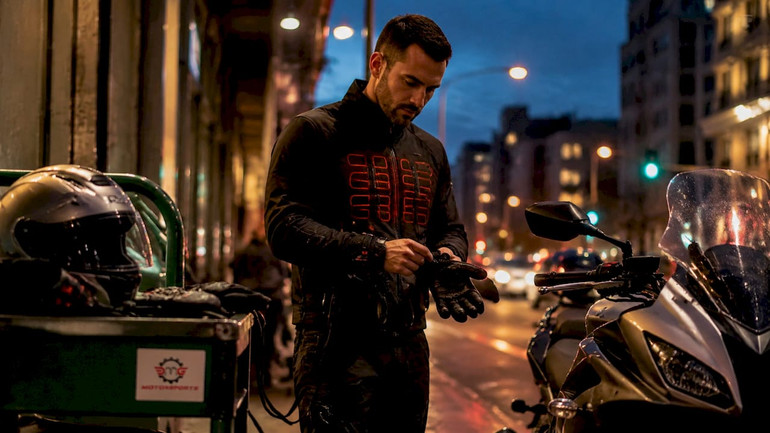
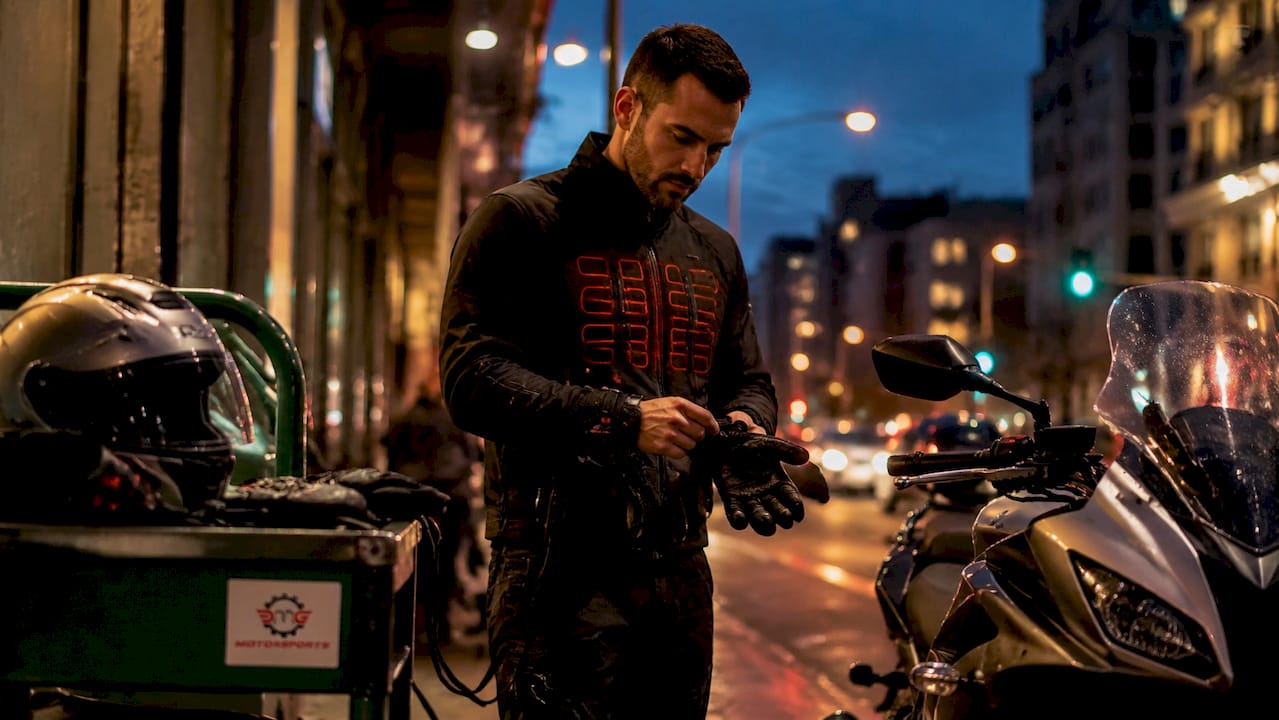
Heated motorcycle clothing covers more body zones than most riders realize. The full lineup includes jackets, jacket liners, pants, gloves, socks, insoles, and neck warmers. Each piece targets a specific zone, and the more zones you cover, the longer you can ride comfortably in freezing temps.
Here is a quick breakdown of what each garment does for you:
- Heated jacket liners: The single most effective piece you can own. They warm your core, and core heating circulates warmth to your hands and feet through your bloodstream. Start here before anything else.
- Heated jackets: Full outer jackets with built-in heating panels. Great for riders who want an all-in-one solution, though they sacrifice some layering flexibility.
- Heated pants and liners: Cover your thighs and knees, which take a serious beating from wind blast on the highway. Touring riders swear by them.
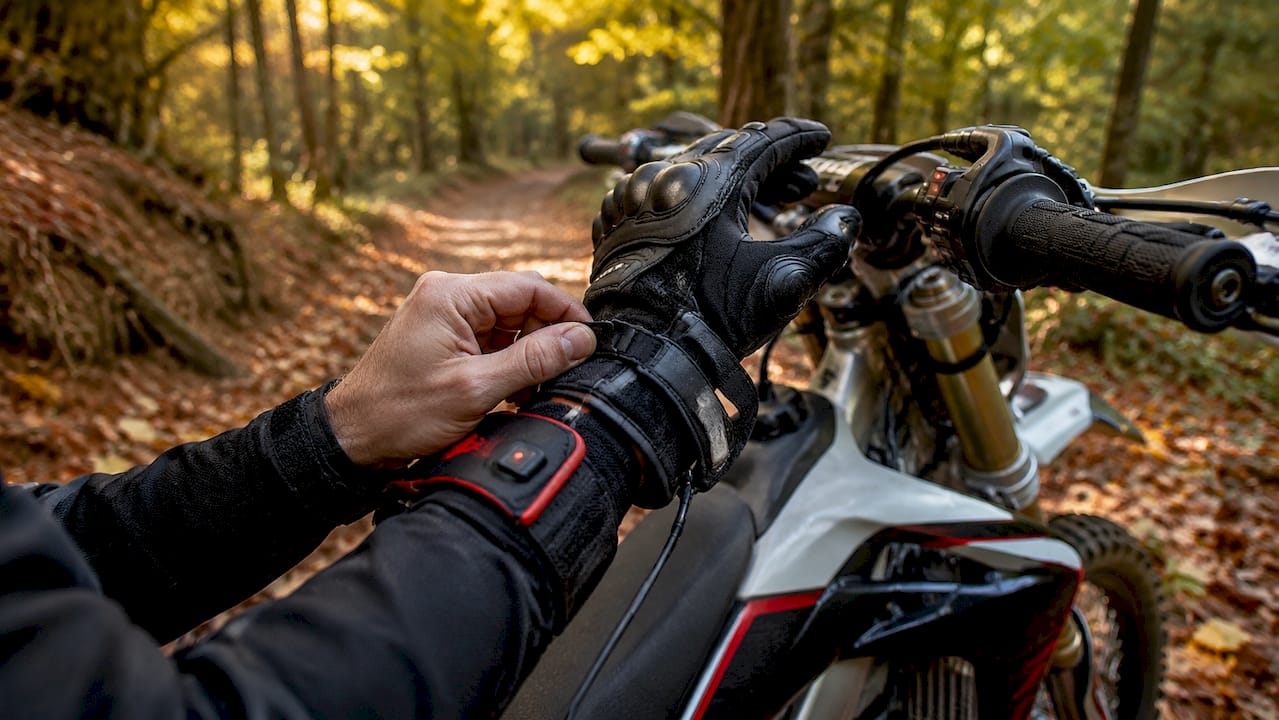
- Heated gloves: Warm all surfaces of the hand, including the back, which is the zone that goes numb first. More on this in a moment.
- Heated socks and insoles: Your feet are the hardest zone to heat because they sit still and far from your core. Heated socks solve this directly.
- Heated neck gaiters and vests: Lightweight additions that punch above their weight for warmth without adding bulk.
Now, about heated grips versus heated gloves. This is a debate worth settling. Heated grips warm palms but leave the backs of your hands fully exposed to cold air. If you ride in temperatures below 40°F, grips alone will not cut it. Heated gloves warm every surface of the hand and are the superior choice for serious cold-weather riding.
A modular setup, where you mix and match pieces based on the day’s temperature, gives you the most flexibility. You do not need to buy everything at once. Build your system around the jacket liner first, then add gloves, then pants.
How do different power systems affect heated gear performance?
The power system you choose determines how long you stay warm and how much hassle you deal with on the road. The three systems, 12V, 7V, and 5V, are not interchangeable. Each one fits a specific rider type.
| Power System | Heat Output | Runtime | Best For |
|---|---|---|---|
| 12V (bike-powered) | Highest | Unlimited | Long-distance touring, serious winter commuting |
| 7V (battery-powered) | Mid-range | Moderate | Commuting, shorter rides, bike-independent use |
| 5V (USB-powered) | Entry-level | Short | Casual riders, mild cold, occasional use |
12V is the industry standard for serious winter riding. It pulls power directly from your bike, so you never worry about a battery dying mid-ride. The tradeoff is that it requires wiring and a connection to your bike’s electrical system.
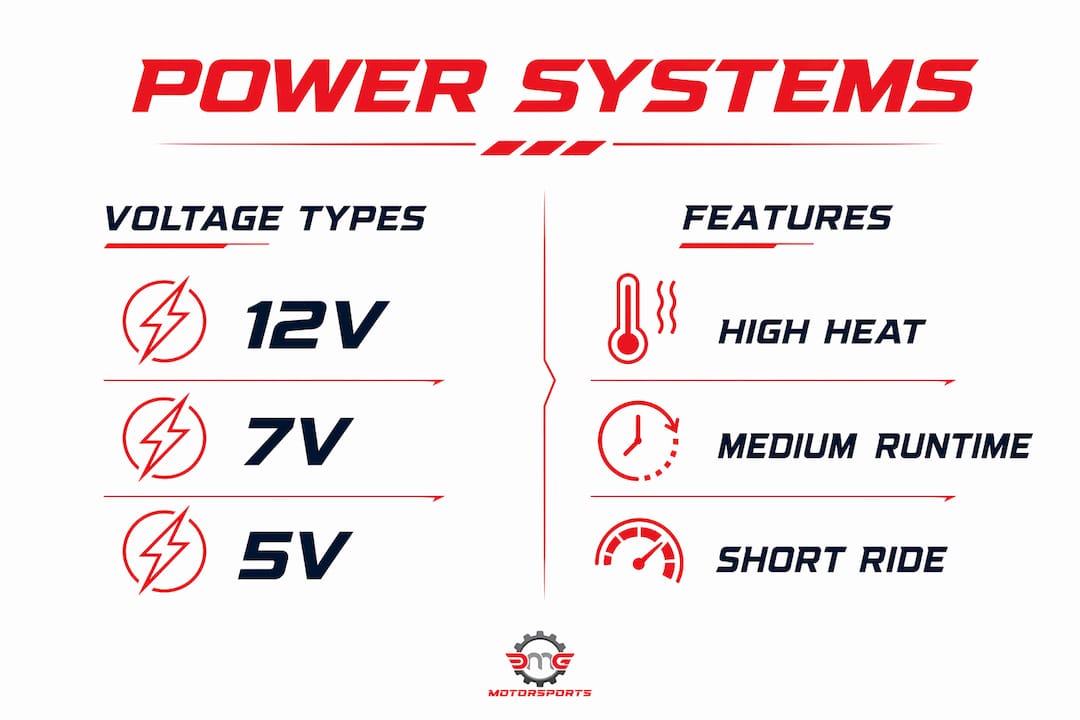
7V systems run on rechargeable battery packs. They offer solid warmth for commuters and riders who switch between bikes. The catch is runtime. Battery-powered heated gloves typically deliver about 2 hours on high and 3.5 hours on medium. That is fine for a city commute but rough on a full-day tour. Battery replacement is also a long-term cost to factor in, since managing and replacing batteries adds up over time with 7V systems.
5V USB systems are the entry point. They work well for mild cold and short rides but do not generate enough heat for sustained use below freezing. Think of them as a “better than nothing” option for casual riders.
Pro Tip: If you ride more than two hours in cold weather regularly, go 12V. The unlimited runtime and higher heat output make every other system feel like a compromise.
Matching your system to your ride length and climate is the most important decision in the whole selection process. A 7V system on a 6-hour winter tour will leave you cold and frustrated by hour three.
What fit and layering considerations maximize heated gear effectiveness?
Fit is where most riders quietly sabotage their heated gear. Heated gear should fit snugly over a thin moisture-wicking base layer. Loose fit wastes energy by heating trapped air instead of your body, and at highway speeds, that gap between gear and skin becomes a cold air channel.
The ideal layering system works like this:
- Base layer: Thin, moisture-wicking fabric (merino wool or synthetic). This pulls sweat away from your skin and keeps you dry.
- Heated mid-layer: Your jacket liner or heated pants sit here, directly over the base layer. Snug contact with your body means efficient heat transfer.
- Outer shell: A windproof, weather-resistant jacket goes on top. Without a good wind-blocking outer shell, even powerful heated liners lose efficiency fast due to wind chill. The shell is not optional.
Common fit mistakes riders make include sizing up “for comfort” and buying gloves that are too large. Both kill heating efficiency. Incorrect layering or loose fit causes the gear to heat air rather than your body, which is a waste of electricity and warmth.
Sport riders and touring riders layer differently. Sport riders tend to prefer tighter-fitting liners that do not interfere with body position on the bike. Touring riders can go slightly more relaxed but still need that snug contact at the heating panels. Check your motorcycle jacket fit while sitting in your actual riding posture, not standing upright in a store.
For gloves, size down if you are between sizes. A snug glove transfers heat directly to your hand. A loose glove creates a cold air pocket that the heating element has to fight through.
Pro Tip: Try on your full layered system before your first cold ride. Sit on the bike, reach for the bars, and check for gaps at the wrists and waist. Those gaps are where the cold sneaks in.
Battery-powered gear also adds bulk, which affects how your outer shell fits. Account for the battery pack location when sizing your jacket.
How do you manage electrical compatibility for 12V heated gear?
Running a full 12V heated system is not plug-and-play. Your bike’s electrical system has limits, and ignoring them is how you end up stranded with a dead battery on a cold mountain road. Not a fun story.
Full 12V multi-garment systems can stress your motorcycle’s electrical system. Before you wire anything up, follow these steps:
- Check your owner’s manual for the alternator output rating, measured in watts or amps. This tells you how much power your bike generates beyond what it needs to run.
- Add up the wattage of every heated piece you plan to run simultaneously. A jacket liner, gloves, and pants together can draw 100 watts or more.
- Compare the two numbers. If your gear draw approaches or exceeds your available surplus power, you will drain your battery over time.
- Consider a dedicated fused circuit for your heated gear connection. This protects your bike’s main electrical system from overload.
- Use quick-disconnect plugs at every connection point. These let you unplug gear fast without fumbling with wiring in the cold.
Running multiple high-draw heated pieces on a small-displacement or older bike can cause battery drain or electrical failure mid-ride. Always verify your alternator capacity before committing to a full 12V system. Riders with limited electrical capacity should consider battery-powered alternatives or a hybrid approach, using 12V for the jacket liner and a 7V battery system for gloves.
For riders with small-displacement bikes, checking electrical capacity before running multiple heated pieces is not optional. It is the difference between a warm ride and a very cold, very long walk. If your bike cannot support a full 12V setup, a 7V glove and 12V liner combination often hits the sweet spot between warmth and electrical safety.
Key Takeaways
Motorcycle heated gear selection comes down to matching your power system to your ride length, fitting your layers snugly, and verifying your bike’s electrical capacity before you commit to a 12V setup.
| Point | Details |
|---|---|
| Start with a jacket liner | Core heating warms your whole body and reduces the need for heavy hand or foot heating. |
| Match power system to ride length | 12V suits long tours; 7V works for commutes; 5V covers mild, short-duration cold only. |
| Fit snugly over a base layer | Loose fit heats air, not your body, and kills efficiency at highway speeds. |
| Always use a windproof outer shell | Wind chill defeats even powerful heated liners without a proper blocking layer on top. |
| Check your bike’s electrical capacity | Multi-piece 12V systems can overload small or older alternators, causing battery failure. |
Bryan’s take on what actually matters in heated gear selection
Here is the thing nobody tells you when you first start looking at heated gear: most riders buy in the wrong order. They grab heated gloves first because cold hands are the most obvious pain point. Then they wonder why they are still freezing. The jacket liner should always come first. Warming your core sends heated blood to your extremities. It is basic physiology, and it works better than any glove on the market.
The other mistake I see constantly is riders skipping the outer shell upgrade. They spend good money on a heated liner and then wear it under a jacket that leaks wind like a screen door. The liner cannot fight wind chill on its own. A quality windproof motorcycle jacket is not a luxury when you run heated gear. It is a requirement.
My honest advice: start small, ride in it, and expand your system based on what you actually feel. One good liner and a windproof shell will handle more cold than most riders expect. Add gloves next, then pants if you do longer rides. Do not buy a full system all at once and then discover the fit is wrong or your bike cannot power it all. Heated gear is an investment worth making carefully, not quickly.
— Bryan
Gear up for cold rides with Dmgmotorsports
Cold weather does not have to mean parking the bike. Dmgmotorsports carries a full range of heated motorcycle gear from trusted brands, including jacket liners, gloves, pants, and accessories for every power system. Whether you are building your first heated setup or upgrading to a full 12V system, the team at Dmgmotorsports can help you find the right fit for your bike, your climate, and your riding style.
Dmgmotorsports also offers expert support to help you match gear to your bike’s electrical capacity and layering needs. Check out the proper motorcycle gear guide for a broader look at riding safety, then come back ready to build your winter kit.
FAQ
What is heated motorcycle gear?
Heated motorcycle gear is electrically powered clothing, including jackets, gloves, pants, and socks, that generates warmth through built-in heating elements. It connects to your bike’s 12V system or runs on a battery pack to maintain comfortable body temperature in cold weather.
Which power system is best for long-distance winter riding?
12V bike-powered systems are the best choice for long-distance winter riding because they offer unlimited runtime and the highest heat output. Battery-powered 7V systems run out of power after roughly 2–3.5 hours on a single charge, which is not enough for full-day tours.
How should heated gear fit for maximum warmth?
Heated gear should fit snugly over a thin moisture-wicking base layer with no air gaps at the wrists or waist. Loose fit causes the heating elements to warm trapped air instead of your body, which wastes power and reduces warmth significantly at speed.
Do heated grips replace heated gloves?
Heated grips do not replace heated gloves. Grips warm your palms but leave the backs of your hands exposed to cold air, which is where numbness starts first. Heated gloves warm all hand surfaces and provide far better protection in temperatures below 40°F.
Can any motorcycle run a full 12V heated gear system?
Not every motorcycle can safely power a full 12V multi-garment system. Small-displacement and older bikes may have alternators that cannot supply enough surplus power, risking battery drain or electrical failure. Always check your owner’s manual for alternator output before wiring a full heated system.