

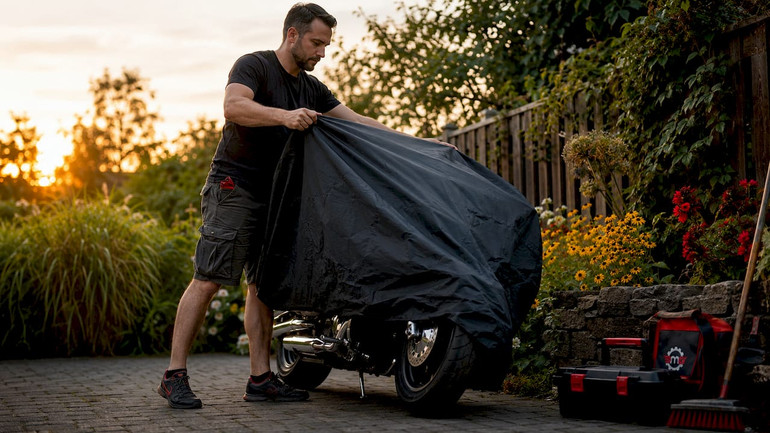
Motorcycle Cover Selection Guide: Choose Right Every Time
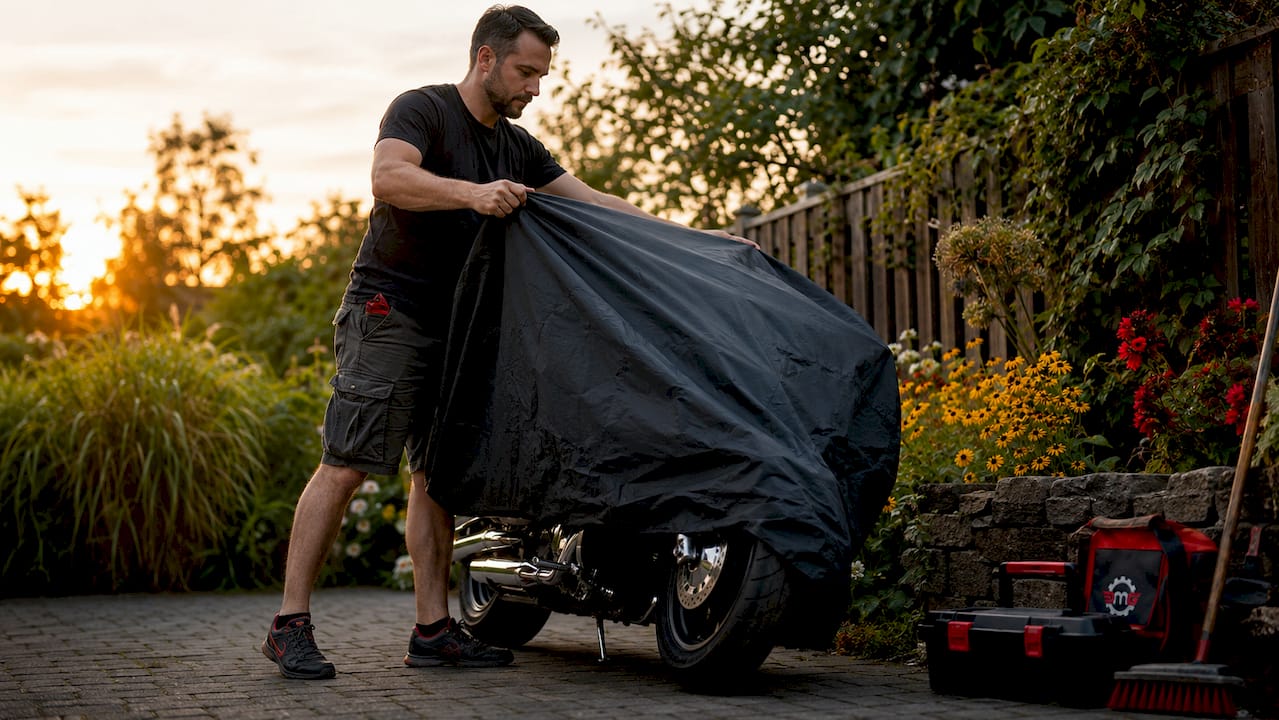
A motorcycle cover is a protective layer designed to shield your bike from weather, dust, UV rays, and physical damage, with critical features including durable materials, proper fit, waterproofing, and UV resistance. Think of it as your bike’s personal bodyguard. The right cover keeps your machine looking showroom fresh whether it’s parked outside in a rainstorm or sitting in a garage for three months. This motorcycle cover selection guide cuts through the noise so you can pick the cover your bike actually deserves, not just the first one that shows up in a search.
What materials and durability features matter in motorcycle covers?
The fabric your cover is made from determines how long it lasts and how well it protects. For outdoor use, 300D polyester minimum is the standard recommendation. That “D” stands for denier, which measures thread thickness. Higher denier means tougher fabric, plain and simple.
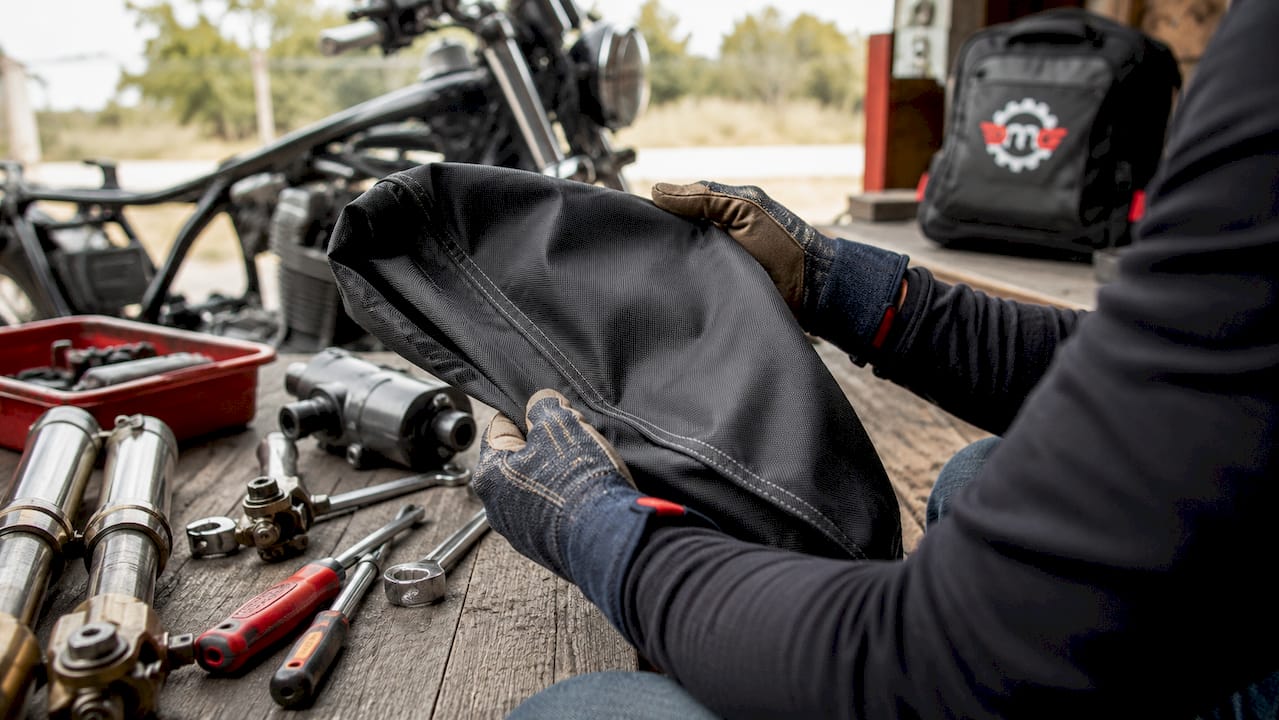
Waterproofing is measured by the hydrostatic head test, defined by ASTM D751. A hydrostatic head above 1,000 mm confirms true waterproofness. That number tells you how much water pressure the fabric can resist before leaking through.
Breathability matters just as much as waterproofing. Breathable fabrics carry a Moisture Vapor Transmission Rate (MVTR) rating. An MVTR above 1,500 g/m²/24h means the fabric lets trapped moisture escape. Without that, condensation builds up inside the cover and quietly attacks your paint and metal.
UV protection is the sneaky one riders often overlook. Sun damage fades paint and degrades rubber seals over time. Look for covers with UPF 40+ coatings or solution-dyed pigments baked into the fabric fibers. These resist UV breakdown far longer than surface-applied treatments.
Seam construction separates good covers from great ones. Heat-sealed or taped seams block water from sneaking through the stitching. Covers with only sewn seams, even from thick fabric, can leak at every needle hole.
Here is a quick breakdown of what to look for:
- Fabric weight: 300D polyester or higher for outdoor exposure
- Waterproof rating: Hydrostatic head above 1,000 mm for rain protection
- Breathability: MVTR above 1,500 g/m²/24h to prevent condensation
- UV resistance: UPF 40+ coating or solution-dyed fabric
- Seam type: Heat-sealed or taped seams for full waterproofness
- Lining: Soft inner lining to protect paint from abrasion
| Feature | What to Look For | Why It Matters |
|---|---|---|
| Fabric denier | 300D minimum | Resists tearing and abrasion |
| Hydrostatic head | Above 1,000 mm | Confirms true waterproofness |
| MVTR rating | Above 1,500 g/m²/24h | Prevents internal condensation |
| UV protection | UPF 40+ | Stops paint fade and rubber decay |
| Seam construction | Heat-sealed or taped | Eliminates needle-hole leaks |
Pro Tip: Run your finger along the seams of any cover you’re considering. If you can feel exposed stitching on the outside, water will eventually find its way in.
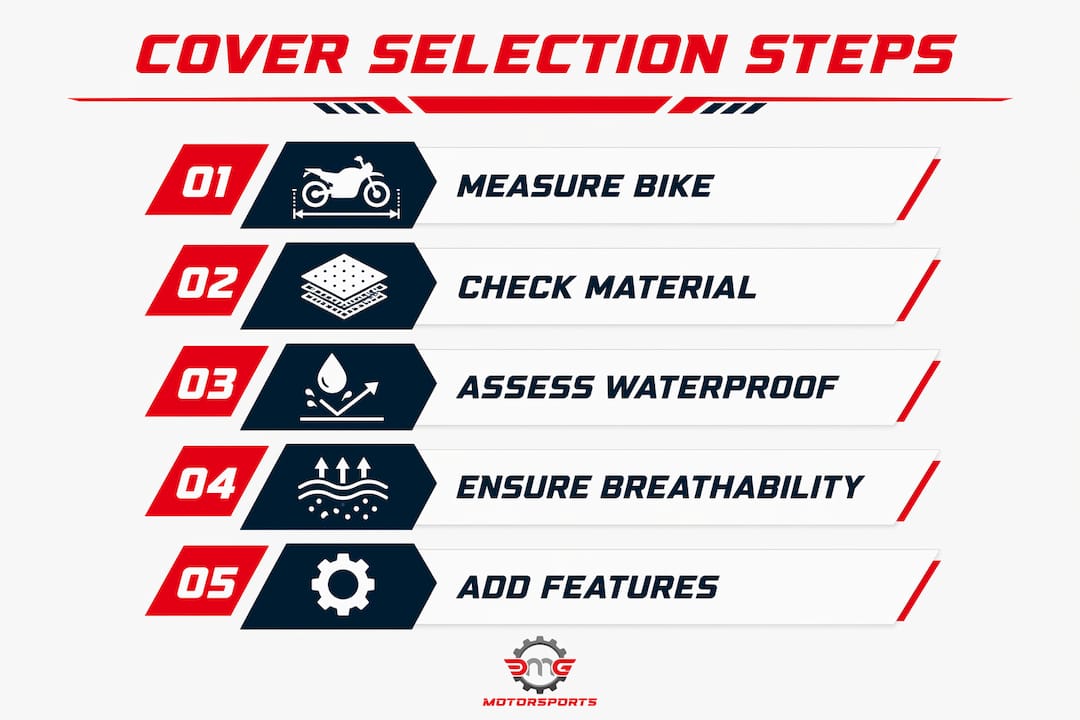
How do you measure your bike for the right cover fit?
Getting the right fit is where most riders go wrong. Generic S/M/L labels are notoriously unreliable because aftermarket accessories significantly affect needed dimensions. A windshield, crash bars, or side cases can add inches in every direction. Always measure your actual bike, not just the base model specs.
Here is how to measure correctly:
- Measure length from the front of your fender to the rear of your tail section. Include any luggage racks or rear bags if they stay on the bike.
- Measure width at the widest point, which is usually the handlebars or mirrors. Side cases count here too.
- Measure height from the ground to the tallest point, typically the top of the windshield or mirrors.
- Add clearance of about 2–4 inches to each dimension so the cover drapes naturally without pulling tight.
- Compare to manufacturer dimensions listed for the cover, not just the size label. Actual cover dimensions are the only reliable guide.
A snug but not overly tight fit prevents water pooling on top and stops the cover from acting like a sail in the wind. A cover that is too loose flaps against your paint all night and leaves micro-scratches you will not notice until spring.
Indoor covers and outdoor covers also differ in thickness and fit priority. Indoor covers can be lighter and softer since they do not face rain or wind. Outdoor covers need to fit snugly with elastic hems and tie-down grommets to stay put in a storm.
Pro Tip: Photograph your bike from the front, side, and rear with accessories attached before shopping. You will have exact reference points when comparing cover dimensions online.
What features beyond material and fit should you look for?
A great cover does more than keep rain off. Ventilation is one of the most underrated features in the motorcycle cover buying guide conversation. Breathable covers outperform waterproof ones in humid climates by letting moisture escape rather than trapping it inside. Trapped moisture causes rust on metal parts and mold on seats, which is a much worse problem than a little rain.
Heat protection is another feature worth paying for. Wait at least 10 minutes after riding before covering your bike. Exhaust pipes stay dangerously hot long after the engine shuts off. Premium covers include aluminized heat shield liners near the exhaust area to prevent melting damage if you forget.
Security features built into covers add a practical layer of protection. Grommets, elastic hems, and ventilation systems work together to keep the cover locked down and moisture-free. Grommets let you thread a cable lock through the cover and around the bike, which deters casual theft. Covers are primarily a visual deterrent and work best combined with chains and locks for real security.
Reflective strips are a small feature with real value. A covered bike parked on a street at night becomes much more visible to passing traffic with reflective panels on the cover. That is the kind of detail that matters at 2:00 AM.
| Feature | Best For | Skip If |
|---|---|---|
| Vented panels | Humid climates, daily use | Dry desert storage |
| Heat shield liner | Frequent riders, hot climates | Garage-only storage |
| Grommets for locks | Street parking | Private secured garage |
| Reflective strips | Street or roadside parking | Indoor storage only |
| Elastic hem | Windy outdoor locations | Calm indoor storage |
How do you choose a cover based on your climate and storage habits?
Your local weather and how you store your bike narrow the field fast. Outdoor storage in a rainy region calls for a heavy-duty waterproof cover with taped seams and vented panels. Indoor garage storage needs a lighter, breathable cover that keeps dust off without trapping humidity.
Many riders benefit from owning two covers: a soft breathable indoor cover for daily or garage use, and a rugged waterproof outdoor cover for travel, long-term parking, or seasonal storage. That two-cover system costs more upfront but protects your bike far better than one compromise cover trying to do everything.
Budget plays a real role in this decision. Covers range from $30 for basic options to over $160 for premium models with advanced features and warranties. A $30 cover works fine for occasional indoor use. For a bike parked outside year-round, spending closer to $100–$160 buys you the material quality and features that actually last.
Here is how to match cover type to situation:
- Daily commuter, outdoor parking: Lightweight waterproof cover with quick-release straps for fast on and off
- Weekend rider, garage storage: Breathable indoor cover with soft lining to protect paint
- Long-term storage, outdoor: Heavy-duty waterproof cover with UV protection, heat shield, and lock grommets
- Humid climate, any storage: Prioritize MVTR-rated breathable fabric over pure waterproofing
- Windy location: Elastic hem and tie-down straps are non-negotiable
If you are just getting started with motorcycle accessories, pairing a quality cover with other beginner rider essentials builds a solid protection foundation from day one.
Key Takeaways
The best motorcycle cover matches your bike’s exact dimensions, your local climate, and your storage habits, not just a generic size label.
| Point | Details |
|---|---|
| Material standards matter | Choose 300D fabric minimum with hydrostatic head above 1,000 mm for outdoor waterproofing. |
| Measure your actual bike | Include windshields, crash bars, and side cases when measuring for a proper fit. |
| Breathable beats waterproof in humidity | MVTR-rated fabrics prevent rust and mold by letting trapped moisture escape. |
| Use two covers for best results | A breathable indoor cover and a rugged outdoor cover together outperform any single cover. |
| Covers are one layer of security | Combine your cover with a chain or lock for real theft deterrence. |
Bryan’s take: the two-cover rule changed how I think about this
Most riders treat a motorcycle cover like a single purchase decision. Buy one, done. That thinking costs you. The two-cover approach, one breathable indoor cover and one heavy-duty outdoor cover, is the single biggest upgrade you can make to your bike’s long-term condition. I have seen bikes stored under a single waterproof cover in a garage come out of winter with surface rust on the frame because moisture had nowhere to go. A breathable indoor cover would have prevented every bit of that.
The other mistake I see constantly is riders ignoring fit because they trust size labels. S/M/L means almost nothing when your bike has a tall windshield, crash bars, and panniers. Measure your bike with every accessory attached. Then compare those numbers to actual cover dimensions, not the label. That extra five minutes saves you from returning a cover that pools water right over your seat.
One more thing worth saying plainly: a cover is not security. It is a visual deterrent. A thief who wants your bike will pull a cover off in three seconds. Use a quality cover alongside a disc lock or ground anchor. Think of the cover as the first layer of a system, not the whole system. For riders who want to understand protective gear standards at the same depth, the way Dmgmotorsports breaks down helmet safety ratings is a great example of how standards-based thinking applies across all your gear choices.
— Bryan
Dmgmotorsports has the covers and gear your bike needs
Dmgmotorsports carries motorcycle covers and protective accessories built for real riding conditions across the United States. Whether you need a breathable garage cover or a heavy-duty outdoor shield rated for serious weather, the catalog covers the full range.
Beyond covers, Dmgmotorsports stocks helmets, apparel, luggage, electronics, and performance parts from top industry brands. The team knows rider gear at a technical level, so you get honest guidance rather than a generic recommendation. Head to Dmgmotorsports to browse the full selection and find the right protection for your specific bike and riding style.
FAQ
What is the best fabric for an outdoor motorcycle cover?
300D polyester or higher with a hydrostatic head rating above 1,000 mm is the standard for outdoor use. UPF 40+ UV protection and heat-sealed seams add critical durability for year-round exposure.
How do I know if a motorcycle cover fits correctly?
Measure your bike’s length, width, and height with all accessories attached, then compare those numbers to the cover’s actual listed dimensions. A snug fit that does not pull tight prevents water pooling and wind lift.
Should I choose a waterproof or breathable motorcycle cover?
In humid climates or for daily use, a breathable cover with an MVTR above 1,500 g/m²/24h often protects better than a sealed waterproof cover. Sealed covers can trap condensation inside, which causes rust and mold.
How long should I wait before covering my bike after riding?
Wait at least 10 minutes after riding to let exhaust pipes cool before installing the cover. Premium covers include aluminized heat shield liners near the exhaust area for added protection if you cover the bike quickly.
Do motorcycle covers prevent theft?
Covers act as a visual deterrent but do not physically secure your bike. Combine your cover with a disc lock, chain, or ground anchor for effective theft protection.
Recommended
- Staying Safe and Stylish on the Track: The Importance of Proper Motorcycle Gear - DMG Motorsports
- 6 Top Beginner Motorcycle Accessories for New Riders - DMG Motorsports
- Motorcycle Gear Breathability: What Every Rider Must Know - DMG Motorsports
- Best Motorcycle Helmets of 2025 (Beginner to Pro Riders) - DMG Motorsports