

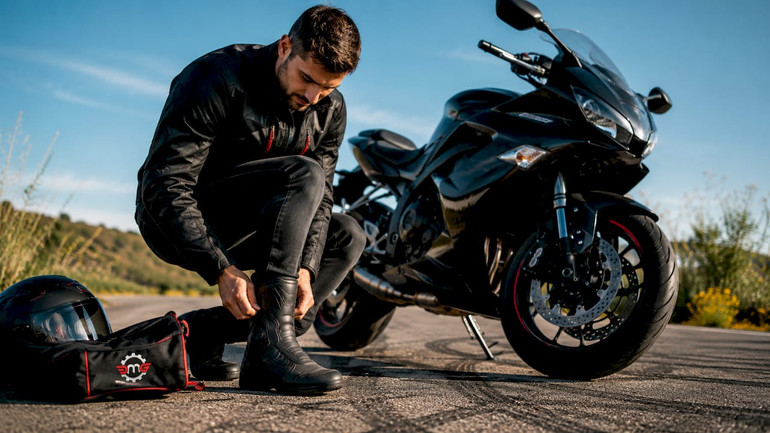
Motorcycle Boot Ankle Protection Explained for Riders
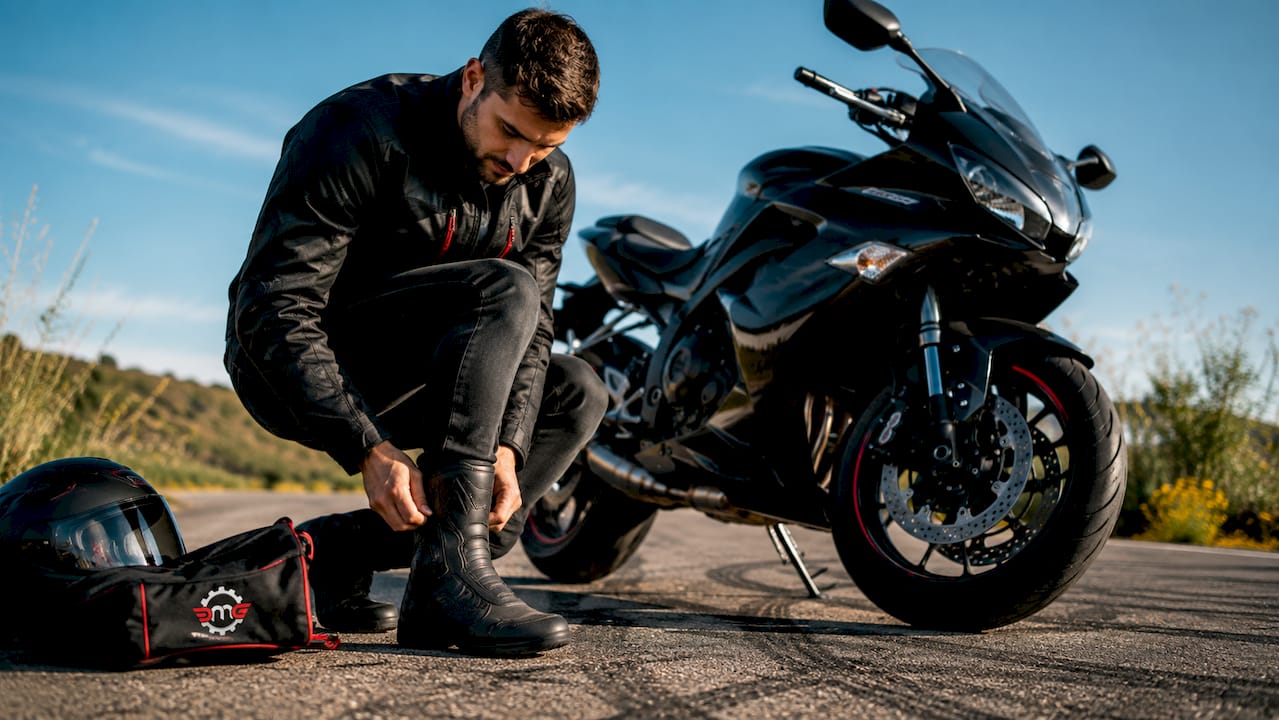
Motorcycle boot ankle protection is defined as the combination of armor, structural reinforcement, and design features that shield your ankle bones from fractures, twists, and crush injuries during a crash. Your ankles are more vulnerable than you probably think. The malleolus bones on the sides of your ankle can shatter in a low-speed tip-over if your boots offer zero protection. That is not a dramatic exaggeration. It is physics. Quality riding boots address this with CE-rated armor, torsional rigidity, and structural supports that work together to keep your ankles intact when the road gets unfriendly. Think of it as your ankle’s personal bodyguard, except this one actually shows up when things go sideways.
What types of ankle protection features exist in motorcycle boots?
Motorcycle boot safety features for the ankle fall into two broad categories: internal armor and external structural reinforcement. Both matter, and the best boots combine them.
Internal ankle armor sits inside the boot and absorbs impact energy directly. This includes:
- Foam padding around the malleolus bones for basic cushioning
- Rigid plastic cups or shells that distribute impact force across a wider area
- CE-rated impact protectors that meet specific energy absorption thresholds under EN 13634:2017
- Biomechanical booties with TPU ankle braces and heel counters integrated into the boot’s inner structure
External reinforcements add another layer of defense from the outside:
- TPU ankle braces molded into the outer shell for crush resistance
- External sliders on the ankle protrusions that reduce friction and absorb sliding impact
- Reinforced heel cups that prevent the heel from rolling inward or outward during a crash
Structural features are the unsung heroes of ankle protection. A stiff shank, typically made from steel or composite materials, runs through the sole and prevents foot bending during a crash. This stops the kind of twisting injury that can wreck your ankle even when the impact itself is moderate. Boot height also plays a major role. Ankle-height boots cover the malleolus bones but leave the shin exposed. Shin-height boots extend protection further up the leg and score higher on the EN 13634:2017 height rating.
Pro Tip: When you squeeze the sides of a boot near the ankle and feel zero give, that is a good sign. Rigid sidewalls mean the armor will hold its position during impact instead of collapsing inward.
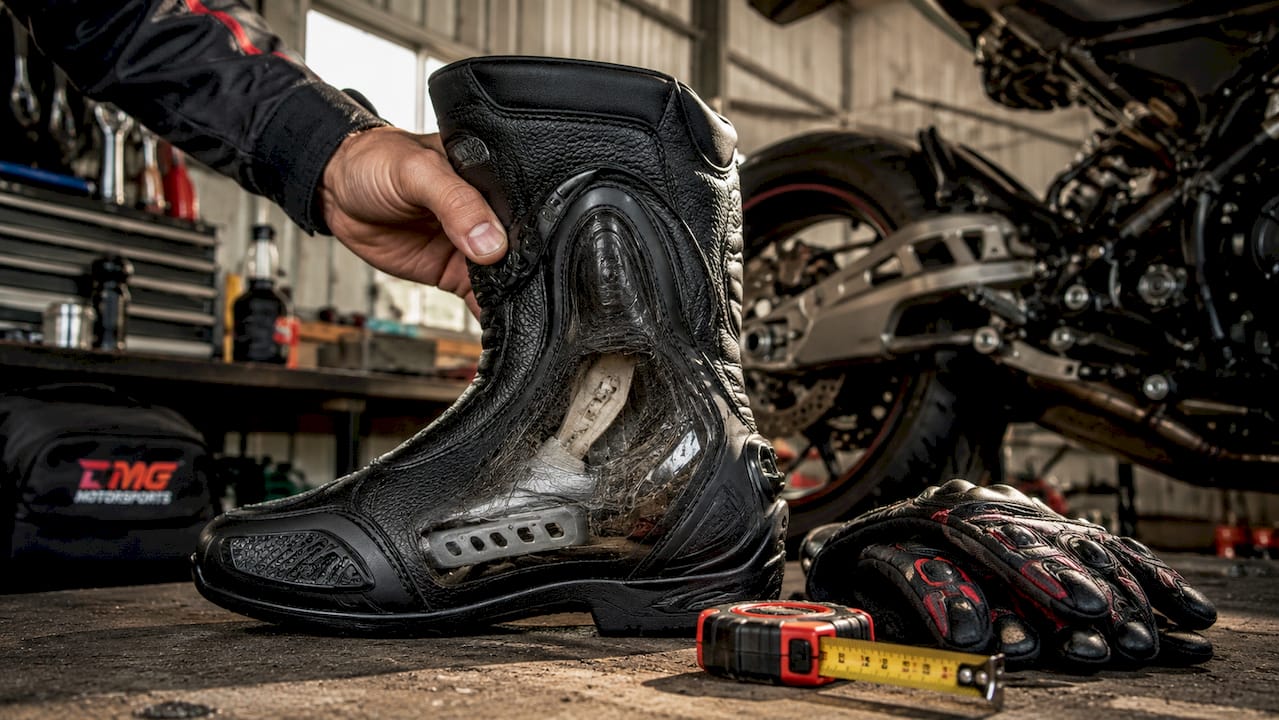
The combination of internal armor, external TPU reinforcement, and a rigid shank is what separates a real riding boot from a good-looking sneaker with a motorcycle logo on it.
How do safety certification standards validate ankle protection?
The EN 13634:2017 standard is the benchmark for motorcycle boot safety in quality gear sold in the United States and internationally. It certifies boots across four performance categories, and each category gets a rating of 1 (basic) or 2 (superior). A boot rated 2-2-2-2 delivers superior protection across all four areas, while a 1-1-1-1 rating meets only the minimum threshold.
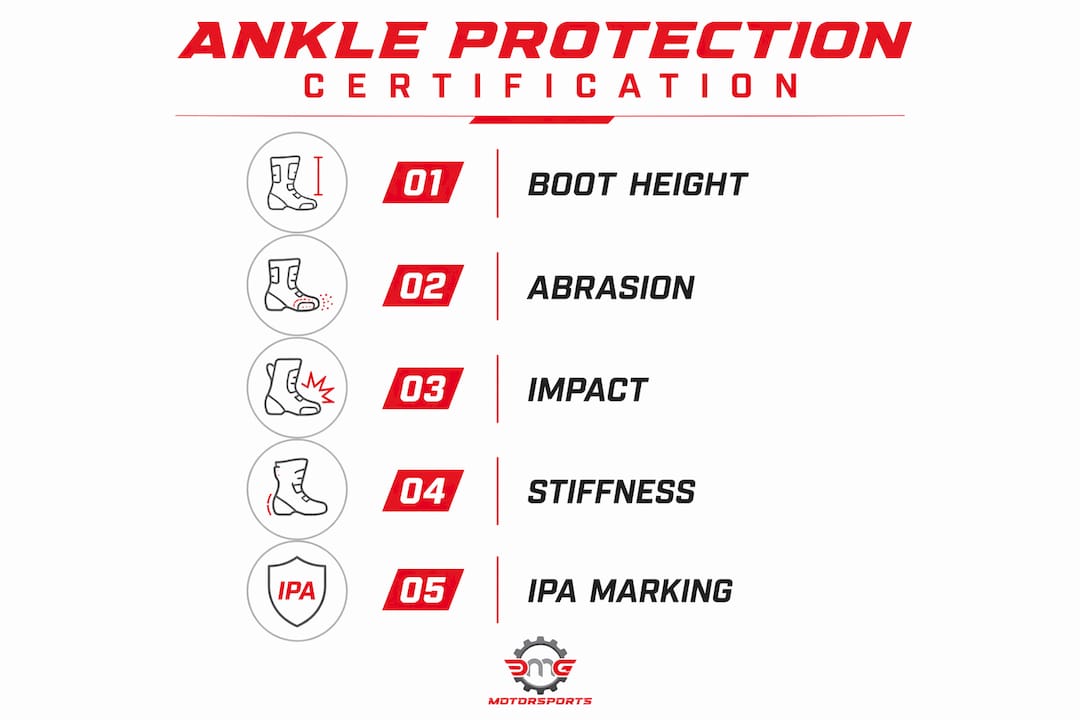
Here is what each digit in the rating actually tests:
| Digit position | What it tests | Rating 1 | Rating 2 |
|---|---|---|---|
| 1st digit | Boot height (ankle vs. shin coverage) | Ankle height | Shin height |
| 2nd digit | Abrasion resistance | Basic | Superior |
| 3rd digit | Impact protection | Basic | Superior |
| 4th digit | Crush resistance | Basic | Superior |
The first digit is the one most riders overlook. A boot rated 1 on height only covers the ankle. A boot rated 2 on height extends to the shin and provides significantly more coverage during a slide or impact. Torsional rigidity, which is the boot’s resistance to twisting, is also tested under EN 13634:2017 as a pass/fail requirement rather than a tiered rating.
Some boots carry an additional IPA marking, which stands for Impact Protection Ankle. This marking confirms the boot includes dedicated CE-rated ankle armor beyond the general impact test. If you see IPA on the label, the ankle protection has been specifically validated.
Pro Tip: A certification label tells you the boot passed a test. It does not tell you how comfortable the armor is or how well it fits your foot shape. Always read the detailed feature list alongside the rating.
Certification is your floor, not your ceiling. A 2-2-2-2 rated boot with a poor fit protects you less than a 1-2-2-2 boot that locks your heel in place and holds the armor exactly where it needs to be.
Why does fit and riding posture affect ankle protection?
A boot that feels perfect in the store can become a pressure nightmare the moment you throw a leg over your bike. Boots comfortable when standing may press painfully on your shins or ankles when your knees bend in riding position. That pressure is not just uncomfortable. It shifts the armor away from the bones it is supposed to protect.
Fit assessment for ankle protection should follow these principles:
- Sit on your bike or simulate riding posture before committing to a pair
- Check that the malleolus armor sits directly over your ankle bones, not above or below them
- Confirm the heel locks firmly in place with minimal internal movement
- Verify that the boot does not pinch the top of your foot when your ankle flexes forward
- Test the closure system (laces, buckles, or zippers) under riding tension, not just standing tension
Heel lock is one of the most underrated fit factors. When your heel moves inside the boot during a crash, the armor moves with it and may no longer cover the right spot at the moment of impact. A snug heel fit keeps everything aligned.
Boot stiffness and flex zones also need to balance each other. A boot so stiff you cannot flex your ankle to operate the gear lever or rear brake is a safety problem of a different kind. The best boots are rigid where they need to be (the sides, heel, and sole) and flexible where control demands it (the toe box and instep).
Pro Tip: Wear the socks you actually ride in when you try on boots. Thick socks change the fit enough to shift armor placement and alter how the closure system tightens.
Compatibility with your bike’s controls matters too. Boots with thick ankle armor on the left side can make gear shifting feel clunky on certain bikes. Try the actual shifting motion before you buy.
What materials and construction methods enhance ankle protection?
The materials in a motorcycle boot determine how well it absorbs impact, resists abrasion, and holds its protective shape over time. Full-grain leather remains the gold standard for abrasion resistance. Quality synthetics like Cordura and microfiber can come close in most riding situations, but leather generally outlasts them in sustained abrasion during a slide.
Here is how the key construction elements stack up for ankle protection:
- Outer shell material. Full-grain leather or high-denier synthetic fabric forms the first line of defense. It needs to resist tearing and abrasion long enough for the armor underneath to do its job.
- TPU and plastic armor inserts. Thermoplastic polyurethane (TPU) shells molded around the ankle absorb and distribute impact energy. Rigid plastic cups add crush resistance. Metal inserts appear in top-tier race boots for maximum protection.
- Integrated biomechanical systems. Advanced boots use internal TPU reinforcements combined with external protectors to create a layered impact absorption system. The inner layer cushions, the outer layer deflects.
- Steel or composite shank. The shank runs through the sole and prevents the foot from folding or twisting during a crash. This is one of the most important structural elements for ankle safety.
- Sole composition. Oil-resistant, anti-slip sole coatings reduce slip risk at stops in wet or fuel-contaminated conditions. A rider who slips putting a foot down can still go down even with perfect ankle armor.
| Construction element | Primary benefit | Secondary benefit |
|---|---|---|
| Full-grain leather outer | Abrasion resistance | Long-term durability |
| TPU ankle armor | Impact absorption | Crush protection |
| Steel/composite shank | Torsional rigidity | Prevents foot folding |
| Anti-slip sole | Grip at stops | Wet condition safety |
| Waterproof membrane | Weather protection | Comfort in rain |
Waterproofing deserves a mention here. Cold, wet feet cause distraction. Distraction causes crashes. A Gore-Tex or equivalent membrane does not directly protect your ankle bones, but it keeps you focused on the road instead of your soggy socks.
How to choose the best motorcycle boot ankle protection for your riding style
Different riding styles demand different protection profiles. The best ankle protection for motorcycles is the kind that matches how you actually ride, not just the most extreme option on the shelf.
Here is how to match boot features to riding style:
- Sport and track riders need maximum ankle protection with high EN 13634:2017 ratings, full TPU coverage, and biomechanical ankle brace systems. Walkability is secondary. Protection is everything.
- Touring riders need a balance of ankle protection and all-day comfort. Look for shin-height boots with CE-rated ankle armor, a comfortable heel lock, and waterproofing. You will be wearing these for eight hours straight.
- Adventure riders need ankle protection that handles both on-bike and off-bike terrain. Taller boots with torsional rigidity and anti-slip soles are the priority. You may be hiking to that viewpoint too.
- Casual and commuter riders often underestimate their risk. A short commute at city speeds still exposes your ankles to tip-over and intersection impact risks. At minimum, choose boots with CE-rated malleolus armor and a rigid shank.
Boot height, closure systems, and ventilation all affect how much protection you actually get versus how much the spec sheet promises. A tall boot with a loose closure system offers less real protection than a shorter boot that locks your foot in place. Always check the closure under riding conditions.
When shopping, look for the EN 13634:2017 label, confirm the IPA marking if ankle-specific protection is a priority, and physically test the armor placement in riding posture. Check out Dmgmotorsports’ motorcycle safety gear guide for a broader look at how boots fit into your full protective setup.
Key Takeaways
Effective motorcycle boot ankle protection requires CE-rated malleolus armor, a rigid shank, proper fit in riding posture, and construction materials that maintain their protective properties over time.
| Point | Details |
|---|---|
| CE certification is the baseline | Look for EN 13634:2017 ratings and the IPA marking for validated ankle armor. |
| Malleolus bones are fragile | These ankle protrusions can shatter in low-speed falls, making armor placement critical. |
| Fit must be tested in riding posture | Armor that shifts out of position during riding offers little protection when it matters. |
| Shank rigidity prevents twisting injuries | Steel or composite shanks stop the foot from folding in a crash, protecting the ankle joint. |
| Riding style determines the right boot | Sport, touring, adventure, and commuter riders each need different protection and comfort tradeoffs. |
Bryan’s take on what most riders get wrong about ankle protection
Most riders treat ankle protection as a checkbox. They see “CE-rated” on the label, assume the job is done, and move on. That is the wrong approach, and I have seen the consequences of it.
The certification tells you the boot passed a lab test. It does not tell you whether the armor sits over your actual malleolus bones when you are bent over your bars. I have tried on boots that were technically certified but had armor positioned so poorly that a crash would have left my ankles completely exposed. Fit testing in riding posture is not optional. It is the whole game.
The other thing riders consistently underestimate is shank rigidity. Everyone talks about the ankle armor, but the shank is what prevents the rotational injury that tears ligaments and fractures bones even when the impact itself is not severe. If you can twist the sole of a boot with your hands, that boot is not protecting you from torsional forces in a crash.
My honest advice: spend more time testing fit than reading spec sheets. Sit on your bike in the boots. Shift gears. Put your feet down. If the armor moves, the boot fails. If you want a solid starting point for new riders building out their gear kit, the beginner accessories guide at Dmgmotorsports covers the essentials without overwhelming you.
Emerging designs are getting smarter about this. Biomechanical ankle brace systems that integrate into the boot’s inner structure are closing the gap between race-level protection and everyday wearability. That is genuinely exciting for riders who want real protection without strapping on a full motocross boot for a coffee run.
— Bryan
Dmgmotorsports has the ankle protection your ride demands
Your ankles deserve better than a stylish boot with zero certified protection inside. Dmgmotorsports carries a wide selection of motorcycle boots built to EN 13634:2017 standards, with options for sport, touring, adventure, and everyday riding.
Whether you need a shin-height boot with full TPU ankle armor for track days or a touring boot that keeps your feet dry and protected across a thousand miles, the Dmgmotorsports catalog has you covered. Every boot in the lineup is selected with rider safety and comfort as the top priorities. Browse the full selection and find the pair that fits your riding style, your bike, and your ankles.
FAQ
What is motorcycle boot ankle protection?
Motorcycle boot ankle protection is the combination of CE-rated armor, structural reinforcement, and design features inside a riding boot that shields the malleolus bones from fractures, twists, and crush injuries during a crash.
What does EN 13634:2017 mean on a motorcycle boot?
EN 13634:2017 is the European safety standard that certifies motorcycle boots on boot height, abrasion resistance, impact protection, and crush resistance. Ratings range from 1-1-1-1 (basic) to 2-2-2-2 (superior).
What is the IPA marking on motorcycle boots?
IPA stands for Impact Protection Ankle. It confirms the boot includes dedicated CE-rated ankle armor that has been specifically tested and validated for ankle impact protection beyond the general boot certification.
How do I know if my motorcycle boots fit correctly for ankle protection?
Test the fit in riding posture, not just standing. Confirm the malleolus armor sits directly over your ankle bones, the heel locks firmly with minimal movement, and the closure system holds securely when your ankle is flexed forward.
Do I need ankle protection for short rides or city commuting?
Yes. Tip-overs and intersection impacts at city speeds can shatter unprotected malleolus bones. At minimum, choose boots with CE-rated ankle armor and a rigid shank regardless of ride distance or speed.
Recommended
- Motorcycle Chest Protector Explained: Your Safety Guide - DMG Motorsports
- Staying Safe and Stylish on the Track: The Importance of Proper Motorcycle Gear - DMG Motorsports
- 6 Top Beginner Motorcycle Accessories for New Riders - DMG Motorsports
- Best Motorcycle Helmets of 2025 (Beginner to Pro Riders) - DMG Motorsports